Seeing the Forest for the Trees: Cohort 25 at the Festival of Nature 2026
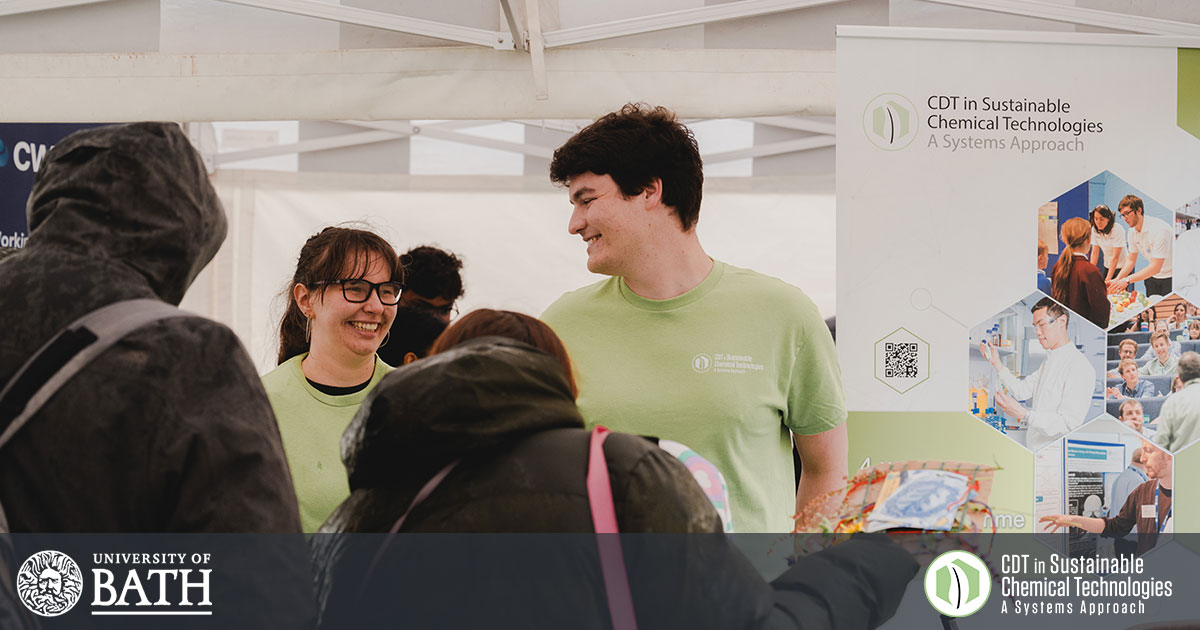
On Saturday 6 June, five CSCT students headed into Bath city centre to take part in the Festival of Nature 2026, joining a day of free, family-friendly activities at SouthGate Bath.
Despite some decidedly un-summery weather, families turned out throughout the day to explore activities celebrating nature, wildlife and this year’s Festival theme: trees and forests.
For our CSCT students Jack Kirby, Olivia Zaks, Carol Xavier, Abboy Chatterjee and Xietian Zheng, that theme also presented an interesting challenge.
Research across the CSCT encompasses a huge range of sustainability challenges, from new materials and chemical processes to energy, biotechnology and the circular economy. Trees and forests might not immediately connect with every student’s research project, so the group had to think creatively about how they could approach the theme and make it engaging for a family audience.
The game plan
After much discussion and some creative cross-pollination, the students settled on and developed two activities for the day.
The first was a digital quiz about trees, created by the students – although, Jack mostly claims this one – which they presented on tablets at the CSCT stand. Designed to be accessible to children and adults while still offering a challenge, the quiz quickly became a popular part of the stand.
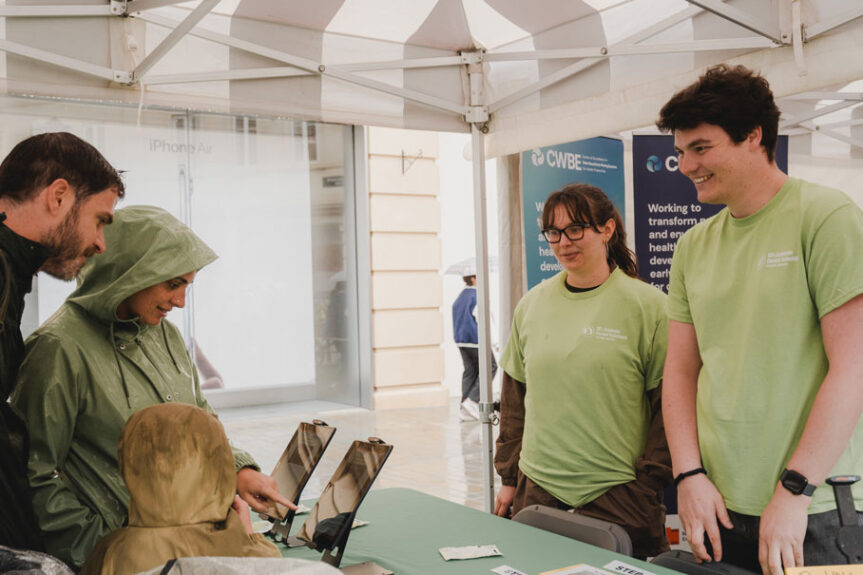
Think you know your trees? Try the tree quiz yourself.
The second activity branched out in a different direction, looking at something produced from trees that almost everyone uses: paper.
Visitors were challenged to arrange the different stages of the paper recycling process into the correct order. The hands-on activity provided an opportunity to think about what happens to paper after we put it in the recycling bin and opened up wider conversations around materials, resources and sustainability.
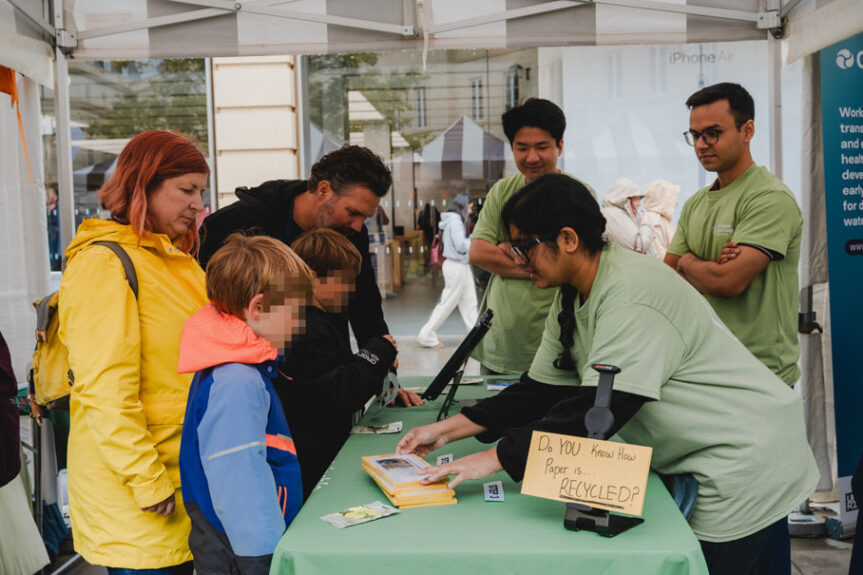
Both activities were well received, but arguably the quiz had the edge, particularly with younger visitors with families stopping at the stand to work through the questions together. Perhaps children these days are simply hard-wired to engage with a tablet? Luckily, Jack was very humble about his contribution:
People really enjoyed the digital quizzes, far more than the tactile recycling blocks.
jack
For Abboy Chatterjee, one of the highlights was seeing children tackling the quiz with encouragement from their parents.
For me, the best thing about the event was seeing parents encouraging their children to solve our quiz, which was actually quite challenging. To be honest, some of them performed far better than I did! It was inspiring seeing the parents put in so much effort to make sure that their children learn the facts and, in the process, maybe become more responsible and aware.
Abboy
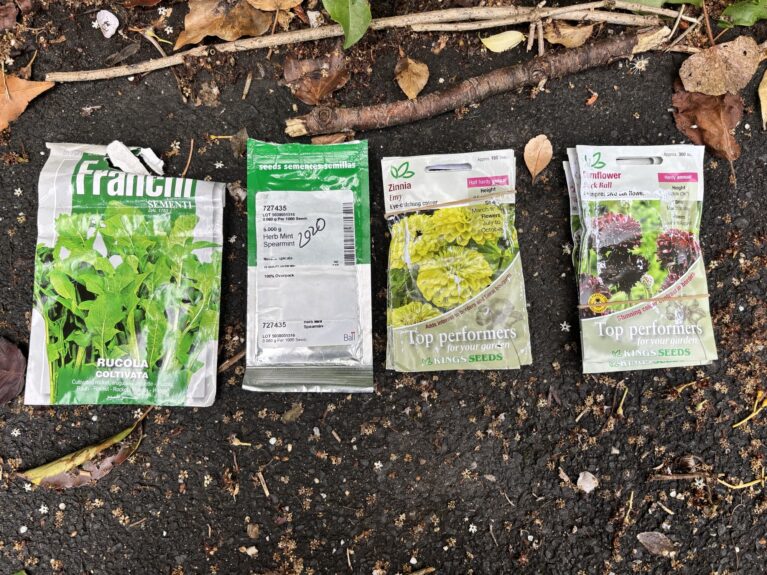
There was something to take away too. The ever-resourceful Olivia Zaks arranged for packets of seeds, generously provided by Urban Garden, to be handed out to visitors after completing the activities, giving families a small reminder of the day and something they could take home and grow for themselves.
Taking research beyond the university
Public engagement events such as the Festival of Nature give CSCT students an opportunity to leave the comfort of the academic canopy and think differently about how they communicate science and sustainability.
At the Festival, that might mean explaining an idea to a six-year-old one minute and discussing sustainability with their parents the next. It’s a rather different habitat from the lab, and one that requires students to think on their feet and adapt how they communicate.
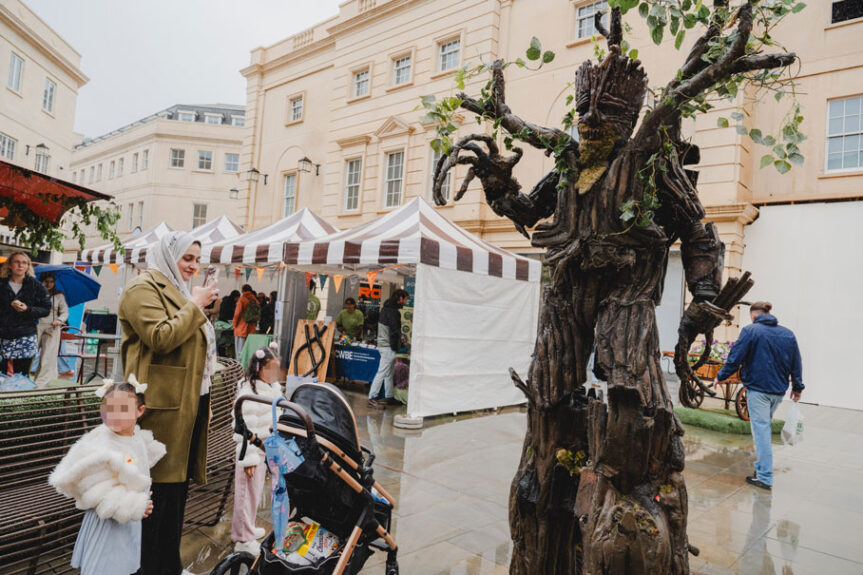
For Carol Xavier, Festival of Nature was her first experience of taking part in an event of this kind.
Taking part in the Festival of Nature was a really enjoyable and rewarding experience. We met people of all ages, from young children to adults, and had many interesting conversations about sustainability, recycling and the work we do in the CSCT. This was my first time taking part in a public engagement event like this. I felt quite nervous at the beginning, but as I started talking to visitors, I became much more confident. It was a valuable experience that helped me improve my communication skills and taught me how to explain scientific ideas in a way that different audiences could understand.
Carol
Having completed Public Engagement training earlier in the year, Festival of Nature gave the students an opportunity to put those skills into practice, this time with a real audience and never quite knowing what question might come next.
At the CSCT, that’s an important part of public engagement: not simply presenting research, but starting conversations, listening to the questions people ask and finding ways to make science accessible to the people you’re talking to.
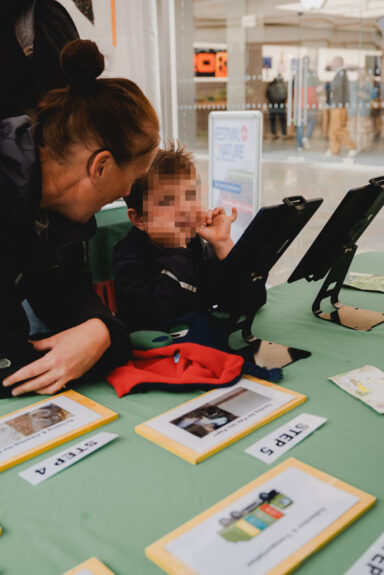
Festival of Nature 2026 formed part of a much wider programme, with more than 90 sessions taking place across Bristol and Bath. For our five students, the Bath event offered a chance to contribute to that programme while developing their own public engagement experience.
It also demonstrated that engaging people with sustainability doesn’t necessarily require starting with your own research. Sometimes being presented with an unfamiliar theme, finding where your research can take root (last one, promise), and working out how to communicate those connections is part of the challenge.
Overall, it was a positive experience, and I really enjoyed having the opportunity to inspire conversations about sustainability.
Carol
Even the Bath weather couldn’t get in the way of that.
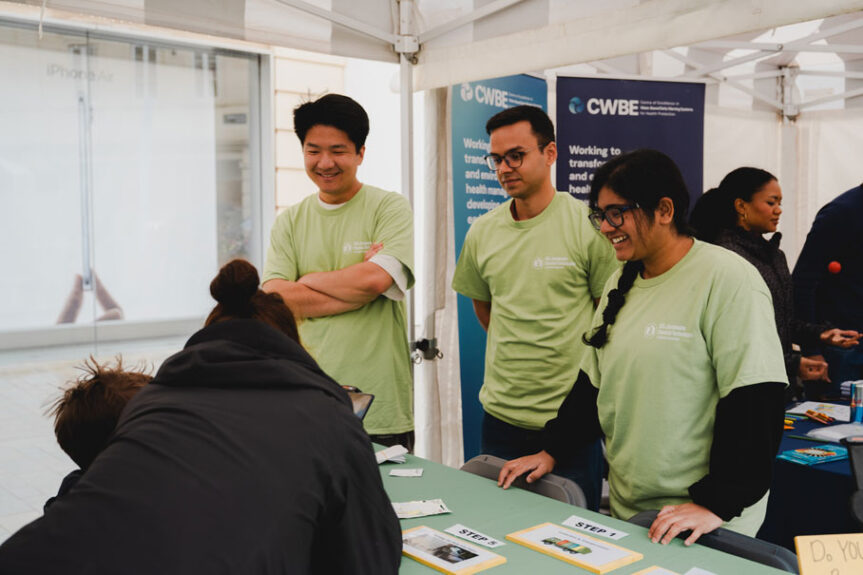
With thanks to Ania Shrimpton for the photography.