


Explore our research
Our research themes
Our research is organised around six interconnected themes. Each addresses critical challenges in sustainable chemical technologies and provides exciting opportunities for PhD research.
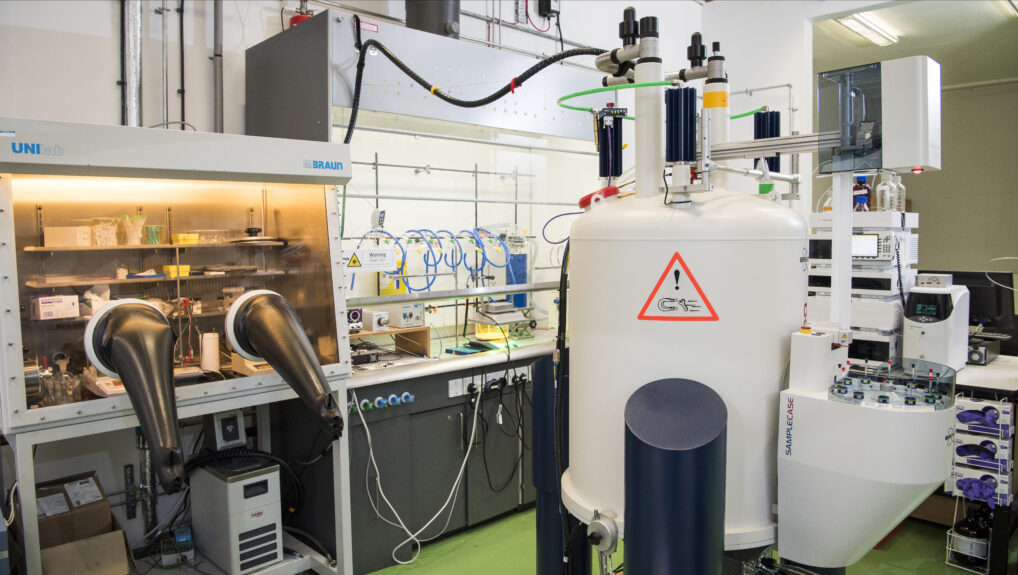
Sustainable Synthesis and Catalysis
Developing innovative catalytic processes and green synthesis routes that minimise waste, energy use and environmental impact.
Current researchers: 20Reprogramming Alkylamine Reactivity Using Visible Light
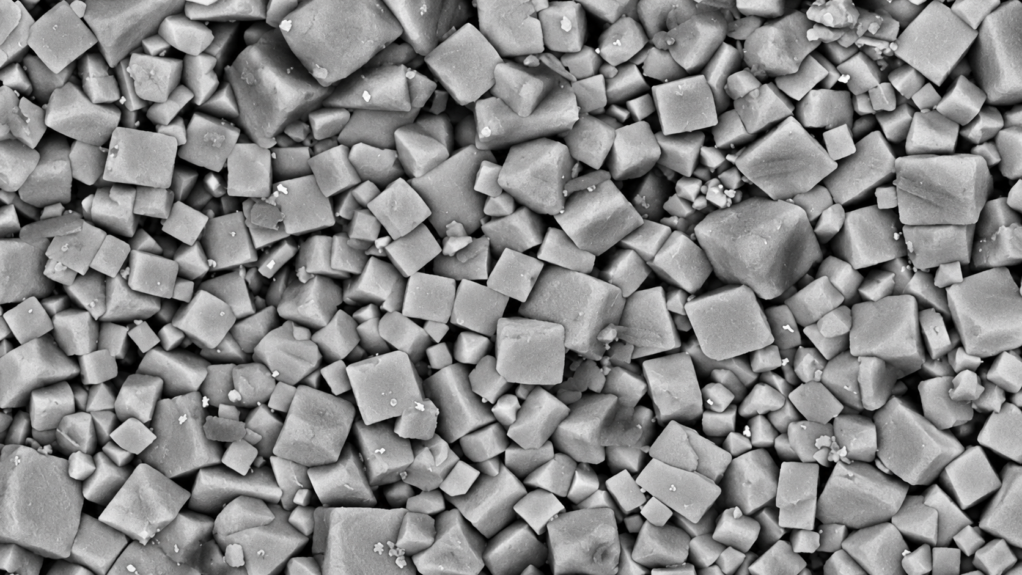
Energy and Functional Materials
Creating advanced materials and technologies for energy conversion, storage and improved efficiency.
Current researchers: 26Ionic Accumulation as a Diagnostic Tool in Perovskite Solar Cells: Characterizing Band Alignment with Rapid Voltage Pulses
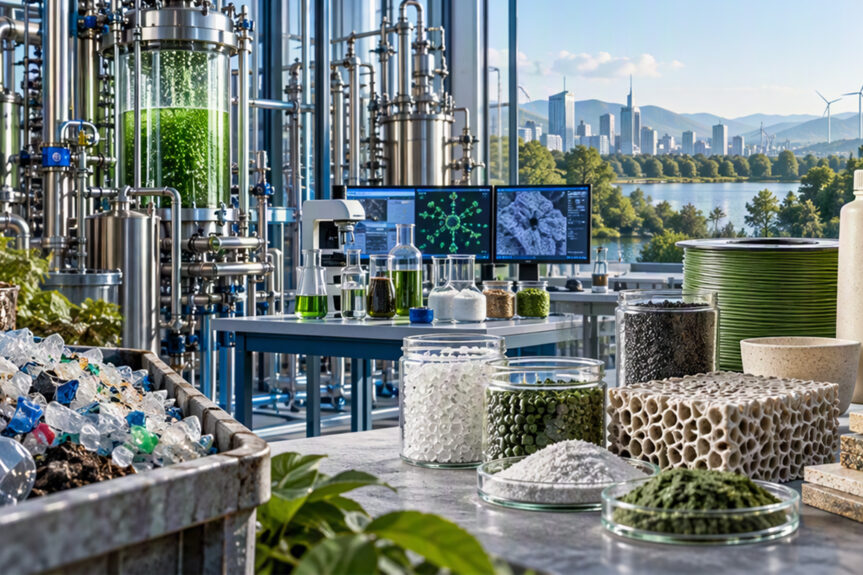
Circular Feedstocks and Processes
Transforming renewable and waste feedstocks into valuable chemicals and materials through circular processes.
Current researchers: 18Electrifying the Future of Cement: Circular Construction Through Mechanochemistry and Resource Upcycling
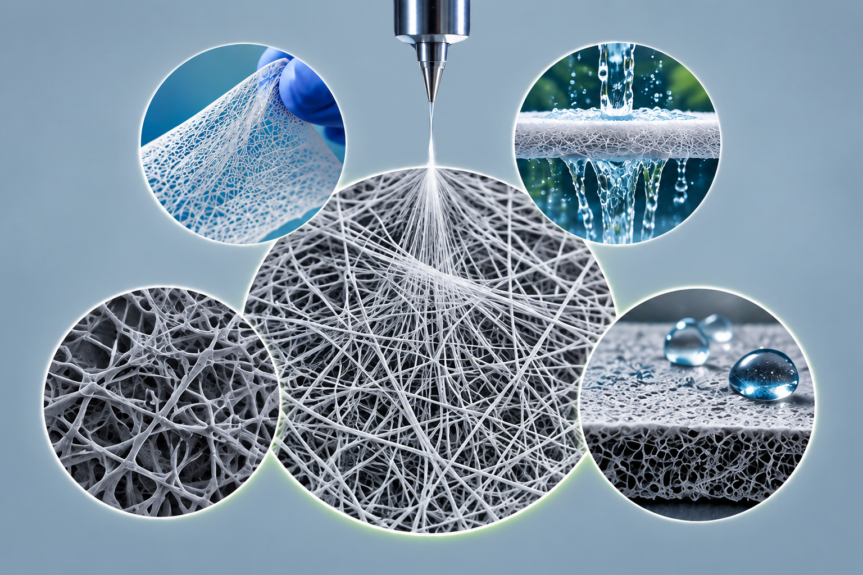
Health and Environment
Understanding and reducing the impact of chemicals on human health and the environment.
Current researchers: 24Sustainable Polyamides and Green Electrospinning for Health and Environmental Applications

Digitalisation and Modelling
Applying data science, machine learning and modelling to accelerate discovery and optimise chemical processes.
Current researchers: 16Designing Additives for Mixed Plastic Recycling
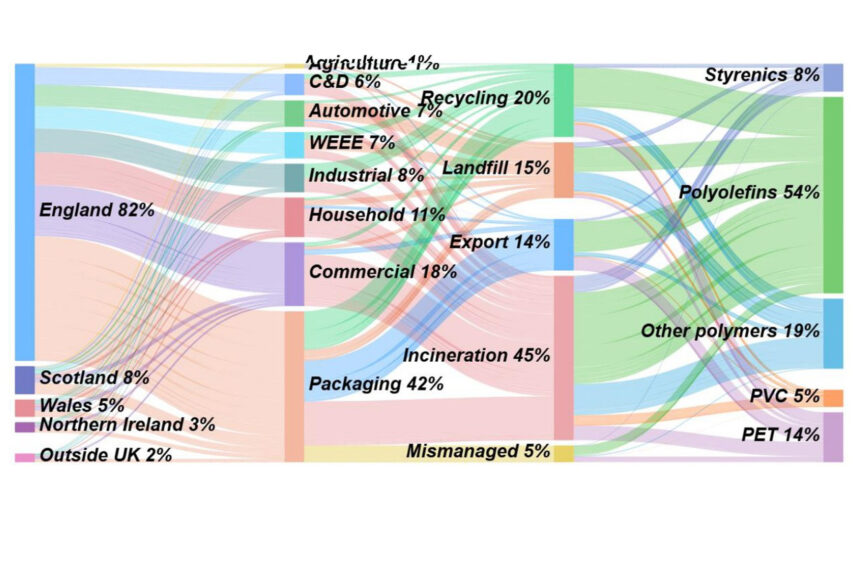
Sustainability Assessment and Systems Thinking
Using life cycle thinking, techno-economic analysis and systems approaches to support sustainable decision-making.
Current researchers: 8Global and regional petrochemical decarbonisation scenarios
Explore our research
Current PhD Student Projects
2025 cohort PhD project
Digitalizing organic electrochemistry: Data-assisted deconstructive functionalization

2025 cohort PhD project
Depolymerisation of contaminated plastic waste: A sustainability-driven approach from contaminant dose-response assessment to UK deployment

2025 cohort PhD project
From Molecular Interfaces to Atmospheric Impact: Ionic Liquid-Based Electrochemical Technologies for Carbon Dioxide Reduction and Recycling

2025 cohort PhD project
Magnetic induction heating for sustainable applications

2025 cohort PhD project
FlowNMR Reloaded: better knowledge extraction from real-time spectroscopy data

2025 cohort PhD project
Synthesis and Investigation of Hydrogen Isotope Adsorption and interactions in Novel Materials for Fusion Fuel Enrichment


2025 cohort PhD project
Super-basic Mn(II) amides for C-C bond formation

2025 cohort PhD project
Sequential chemical recycling of mixed plastic waste and its process simulation at an industrial scale

2025 cohort PhD project
Water-Based Epidemiology and One Health actions using data analytics and machine learning approaches


2025 cohort PhD project
Development of a scalable, hydrogen atom transfer (HAT) initiated system for the chemical recycling of polystyrene

2025 cohort PhD project
Prospective Sustainability Assessment of Emerging Wastewater Treatment Technologies for a Low-Carbon Future in the UK

2024 cohort PhD project
Self-Optimising Flow Photoredox Catalysis: Aminoalkyl Sulfinates as New Reagents for Modular Amine Synthesis

2024 cohort PhD project
Streamlining Organic Electrosynthesis

2024 cohort PhD project
Water-based early warning systems for environmental and public health protection


2024 cohort PhD project
Synthesis of Lewis Acidic Catalysts for Sustainable Chemical Transformations

2024 cohort PhD project
Multiscale understanding of biomass derivative behaviour in traditional and modified zeolite cracking catalysts

2024 cohort PhD project
eGas: Direct Electrocatalytic Generation of CO and H2 from Renewables

2024 cohort PhD project
A Fully Automated Synthesis Machine for Optimising the Sustainable Manufacture of Pharmaceuticals


2024 cohort PhD project
Making and Unmaking Multiblock Sustainable Polymers: An AI-Guided Automated Approach to Catalyst Discovery and Sequence Control

Introducing Our
Publications
Our research community thrives on innovation and collaboration, producing a rich portfolio of impactful publications. With contributions from students and academics, we have built a body of work recognized for its quality and influence. From high-impact journals to international collaborations, our publications reflect our commitment to advancing sustainable chemical technologies. Each paper represents a step forward in bridging academic research with real-world applications, helping to shape the future of science and industry.


