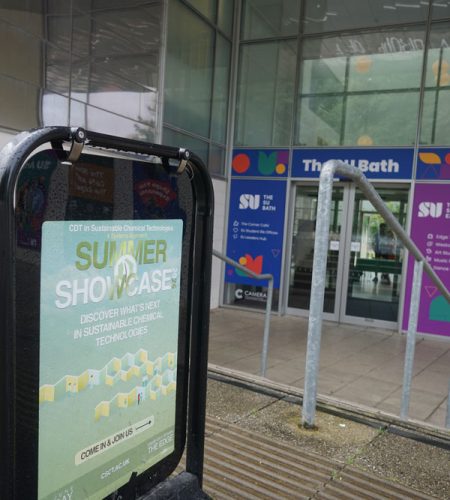

SUMMER SHOWCASE 2026

Join us for this one-day event taking place on 29 June, which brings together the brightest minds in sustainability research and innovation.

00 00 00 00 00

Reserve your spot now!

Why you can't miss this event

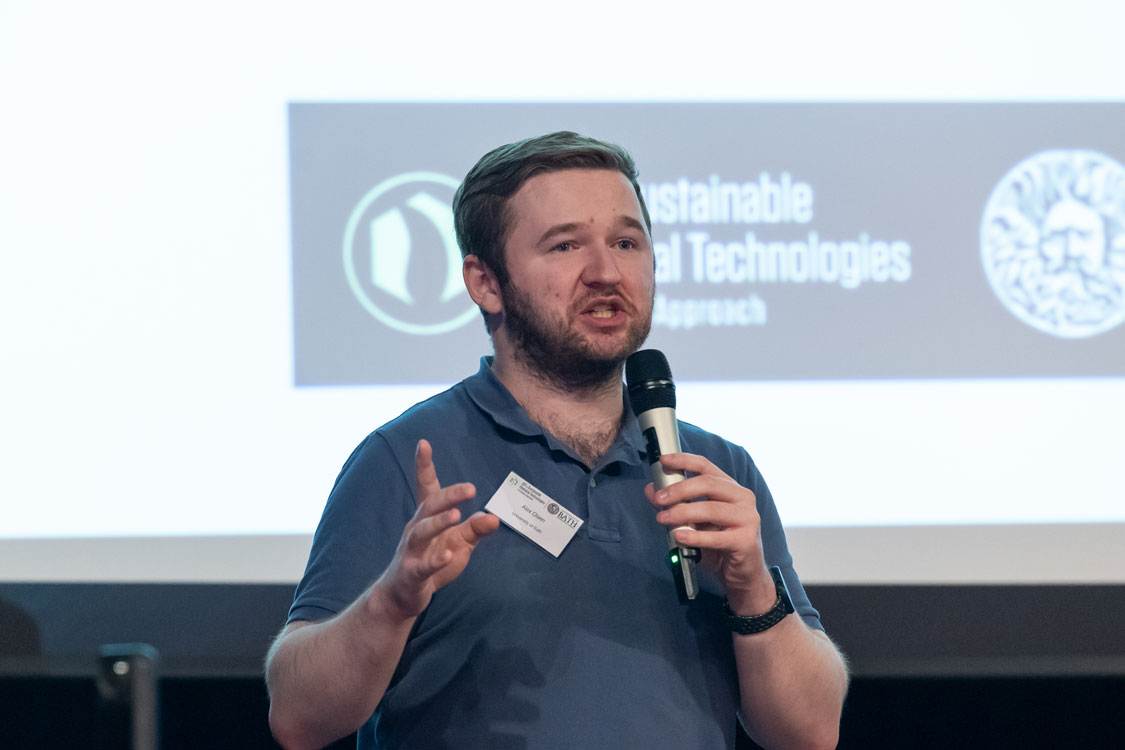
The Summer Showcase is an opportunity to dive deep into cutting-edge sustainability research. Participants will gain multidisciplinary insights from a diverse array of high-profile speakers, PhD researchers, and key stakeholders, who will explore innovative solutions across Sustainable Chemical Technologies.

This is a chance to network with leading academics, industry experts, and policymakers, fostering potential collaborations and staying at the forefront of sustainable innovation.

Programme

(Subject to change)

9:30

ARRIVAL & REGISTRATION

10:00

Welcome

10:05

Plenary

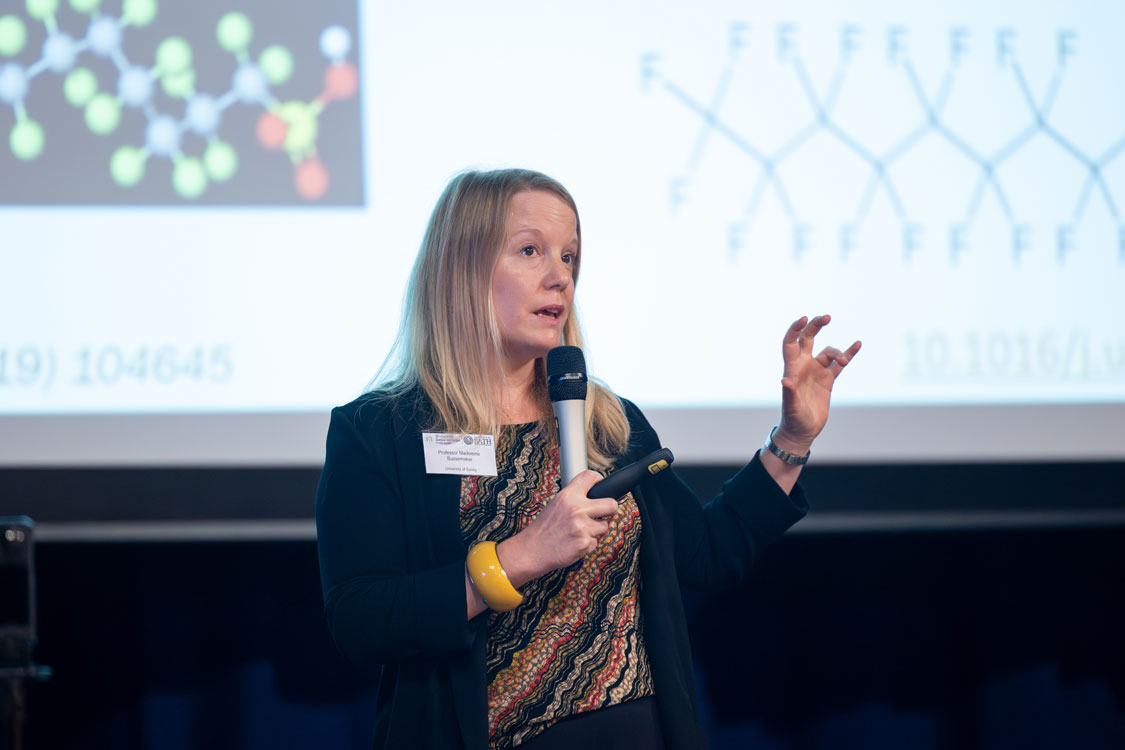
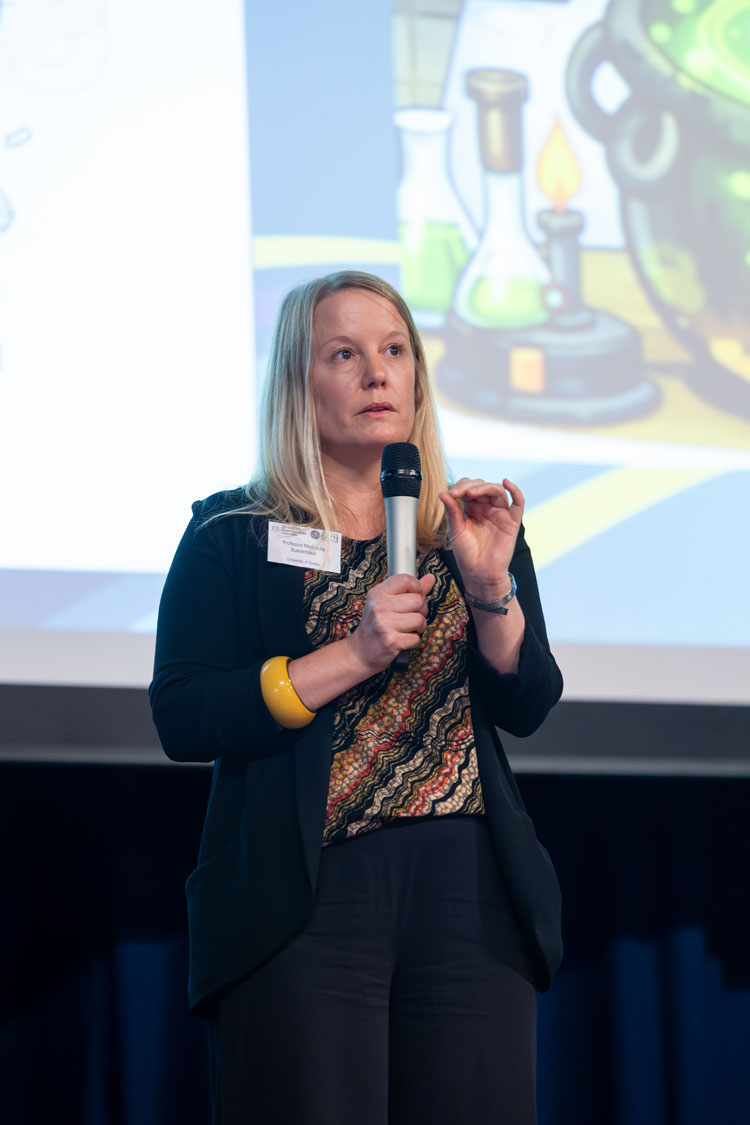
N: Professor Madeleine Bussemaker D: Chemical Engineering U: University of Surrey Q: BIO A: Madeleine completed her PhD at The University of Western Australia's Centre for Energy focusing on the use of ultrasound for the pretreatment of lignocellulosic biomass for biorefinery applications (2013). As part of her PhD, Madeleine spent some time at Beijing Forestry University and at Qingdao Institute of Bioenergy and Bioprocess Technology, (QIBEBT) where she worked on biomass pretreatment and characterisation. Madeleine moved to Surrey in 2013 where she was researching biorefinery supply chain optimisation, based on a techno-economic assessment of a novel treatment of lignocellulose. Following a 10-month postdoctoral post, Madeleine took up a lectureship position, recently promoted to Professor, effective April 2026. Madeleine has been involved in projects on water/environmental remediation (focussing on per- and poly-fluoroalkyl substances, PFAS), sustainable hair dyes, sustainable supply chains, parametric studies on sonochemical effects, waste/biomass processing and classification, and ultrasonic effects in biological systems. The work Madeleine led in PFAS sonolysis led to the co-foundation of start-up company Mantisonix (2024). Most recently Madeleine was awarded a Green Future Fellowship with the Royal Academy of Engineering (2026-36) and leader of a UKRI Cross Council Bid (2025-27). Both projects aim to tackle emerging contaminants using new and hybrid approaches. [[END]] L: | View University Profile | https://www.surrey.ac.uk/people/madeleine-bussemaker

10:55

Cohort 25: Flash Presentations

1 minute concise, high-impact presentations, designed to highlight current research. ROSTER: 10934 10937 10932 10952 10957 10963 10984 10933 10936 11044 10954 10961 ENDROSTER

11:10

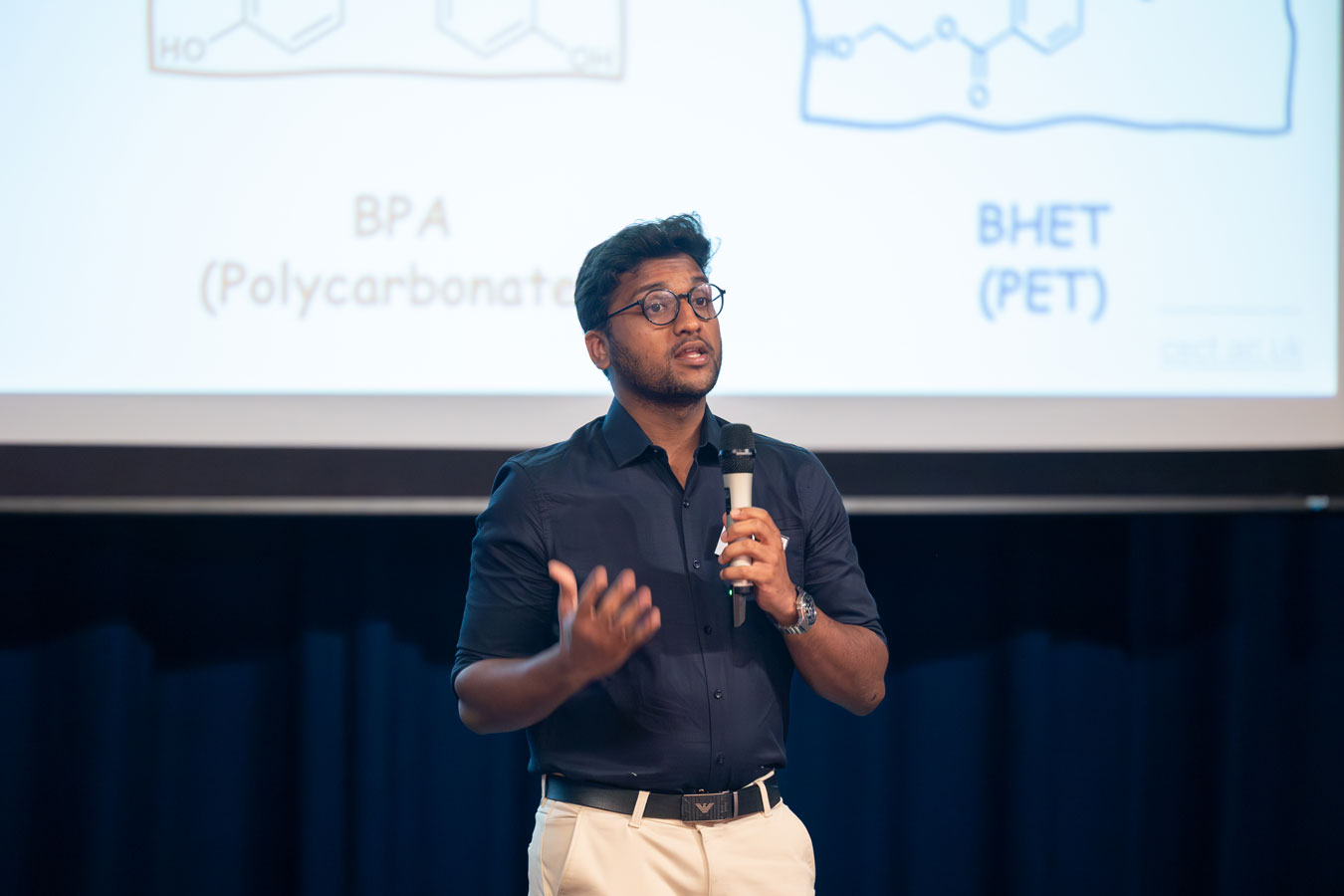
20 Minute Talk

N: Dr Matthew Grayson D: Department of Chemistry U: University of Bath Q: BIO A: Dr Matthew Grayson is a Senior Lecturer (Associate Professor) in the Department of Chemistry at the University of Bath, where his research focuses on molecular modelling and machine learning to address challenges in synthetic chemistry, toxicology, and drug design. Matt obtained his PhD at Cambridge in 2014 with Prof. Jonathan Goodman. In 2014, he took up an independent Girton College Research Fellowship at Cambridge. As a recipient of a Lindemann Trust Fellowship, Matt conducted postdoctoral research in the group of Prof. Kendall Houk at the University of California, Los Angeles during the full calendar year of 2015 before returning to Cambridge to continue his fellowship. Matt joined the University of Bath as a Lecturer (Assistant Professor) in July 2018. In 2021, he was awarded a University of Bath Doctoral Recognition Award for his dedication to doctoral supervision. Matt was promoted to Senior Lecturer (Associate Professor) in January 2022. In 2023, Matt was awarded the Royal Society of Chemistry’s Hickinbottom Prize and the MGMS Frank Blaney Award. [[END]] L: View University Profile | https://researchportal.bath.ac.uk/en/persons/matt-grayson/

11:35

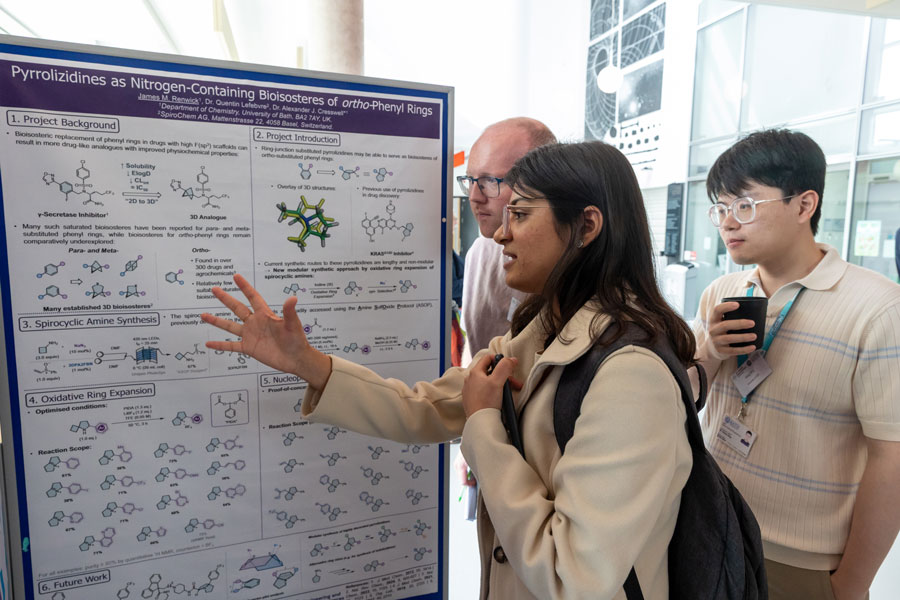
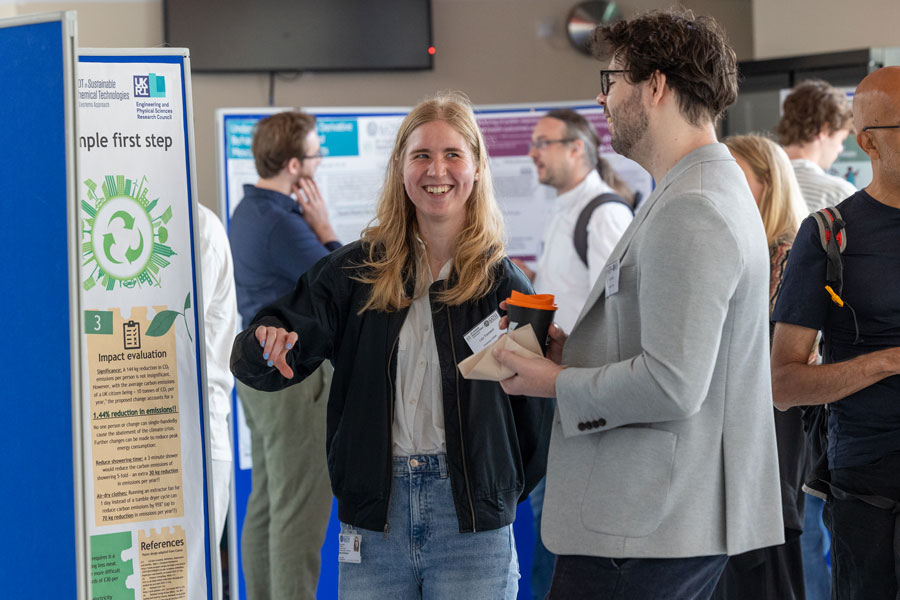
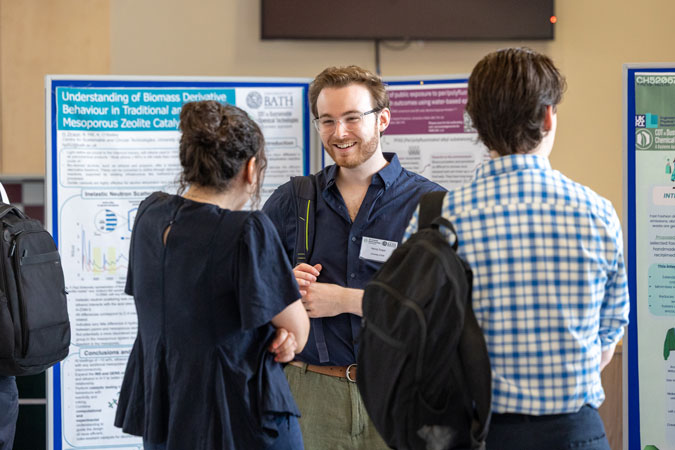
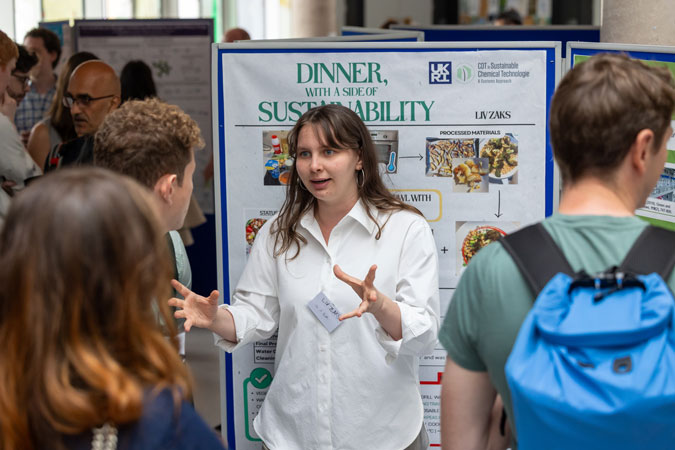
Poster Presentations

With Tea & Coffee

12:05

20 Minute Talk

12:30

Alumni talk

12:45

Lunch

13:50

30 Minute Talk

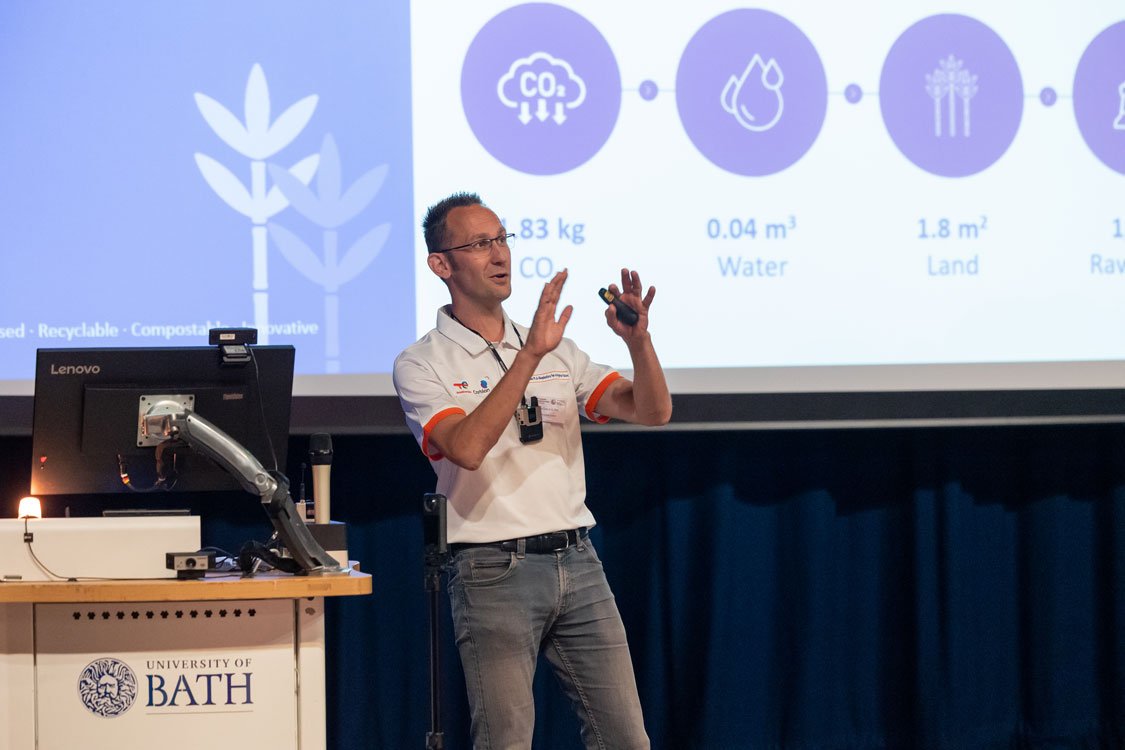
N: Dr Gerrit Gobius du Sart U: TotalEnergies Corbion Q: BIO A: Gerrit Gobius du Sart is Corporate Scientist, Technology Development at TotalEnergies Corbion. He obtained his PhD in Polymer Science from the University of Groningen, where he worked on controlled polymerizations of styrenic and methacrylic block copolymers and their self-assembly. He joined what was then Purac in 2009, to work on the development of monomers for biobased polymers, including lactide, succinic acid and furan dicarboxylic acid. Since the establishment of the Joint Venture between TotalEnergies and Corbion on Poly Lactic Acid (PLA), Gerrit is responsible for PLA technology in its broadest sense, including process and technology development for the company's lactides and Luminy® PLA bioplastic. His main focus areas are intellectual property, process debottlenecking and chemical recycling strategies. Gerrit is also a Visiting Fellow at the University of Bath, focusing on sustainable chemical technologies. [[END]] L: | Company Website | https://totalenergies-corbion.com/ N: Dr Strachan McCormick U: iCAST Q: BIO A: Strachan McCormick is a Technology Translator (postdoctoral researcher) at the Innovation Centre for Applied Sustainable Technologies (iCAST) at the University of Bath. Following completion of his MChem degree at the University of Bath, Strachan undertook his PhD at the same institution, developing new catalytic protocols for the production of sustainable polymers. That work was sponsored by TotalEnergies Corbion and carried out under the supervision of Professors Matthew G. Davidson, Antoine Buchard and Matthew Jones of the University of Bath, and Dr Gerrit Gobius du Sart of TotalEnergies Corbion. Following completion of his studies, Strachan worked as a Research Portfolio Manager at the Engineering and Physical Sciences Research Council (UK Research and Innovation), with responsibility for research funding and strategy in the area of Energy Systems research. In 2022, he moved back into a hands-on scientific role, taking up his current position where he both delivers diverse innovation projects with a wide range of industrial partners, and carries out a programme of more fundamental sustainable chemistry research. During this time, he has continued to collaborate with TotalEnergies Corbion to advance the development of next-generation catalytic systems for PLA production. [[END]] L: | Company Website | https://icast.org.uk/

14:25

Cohort 24: Ignite Talks

Three students, five minutes each. 20 image-centric slides which automatically advance every 15 seconds. P: 4132 P: 4134 | Harvey Draper P: 4130 | Dalia Elabbadi

14:40

20 minute talk

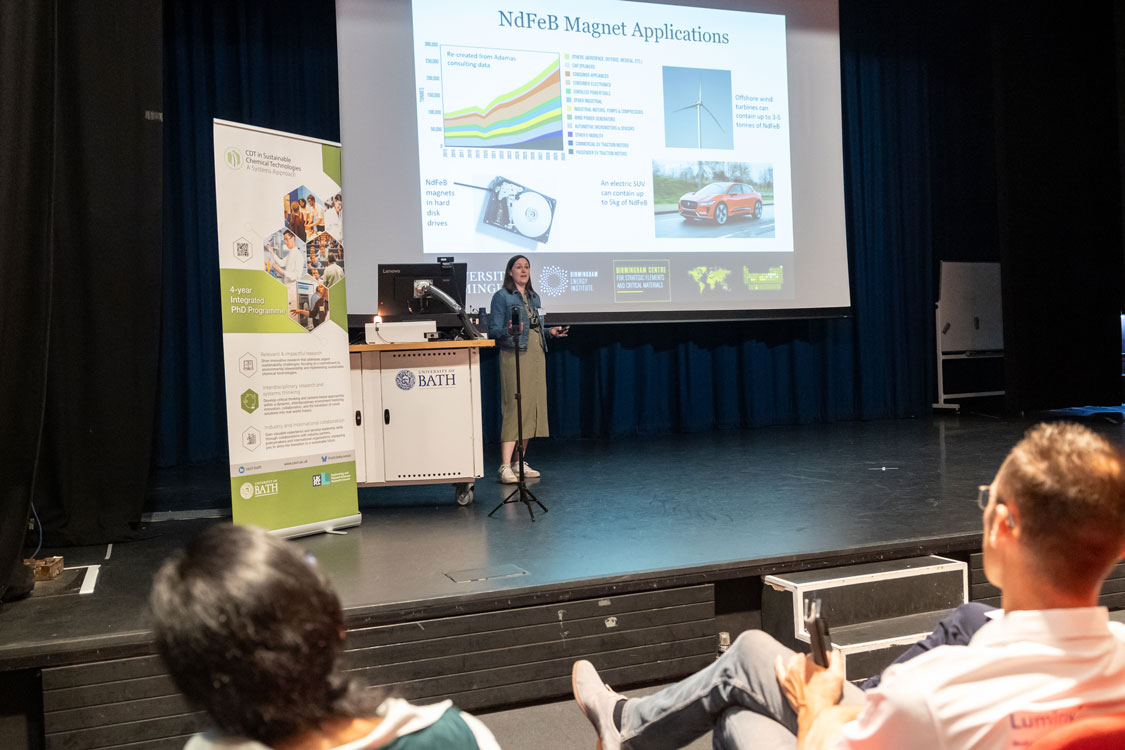
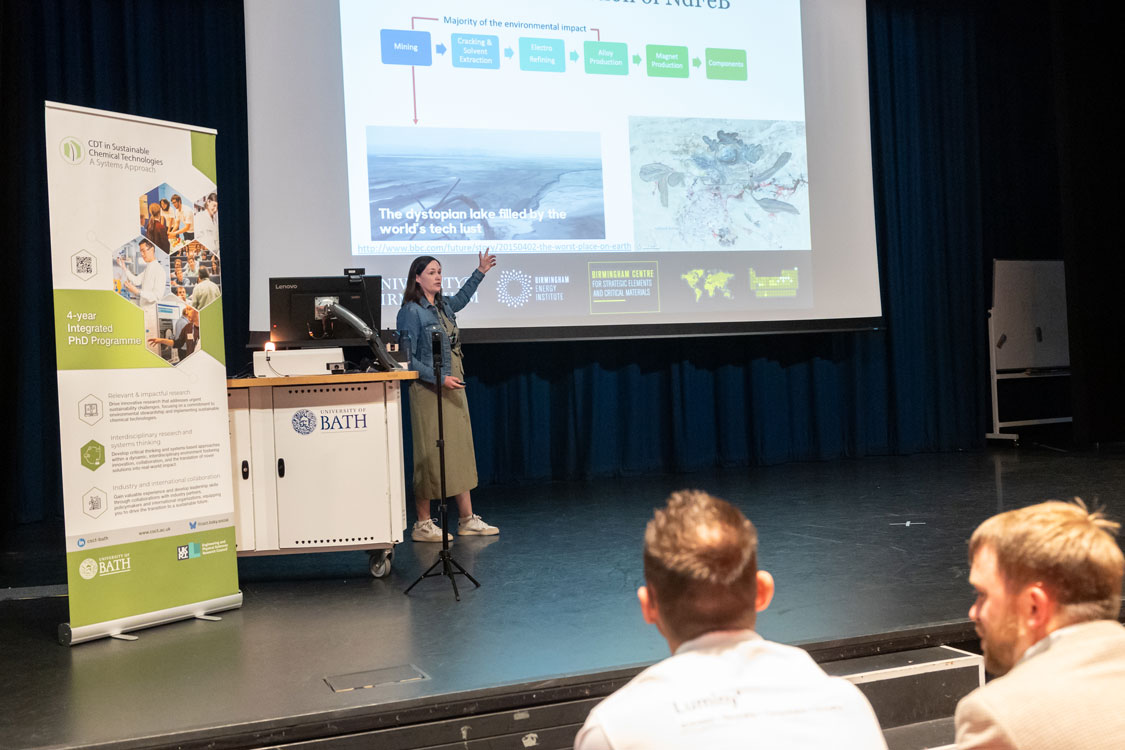
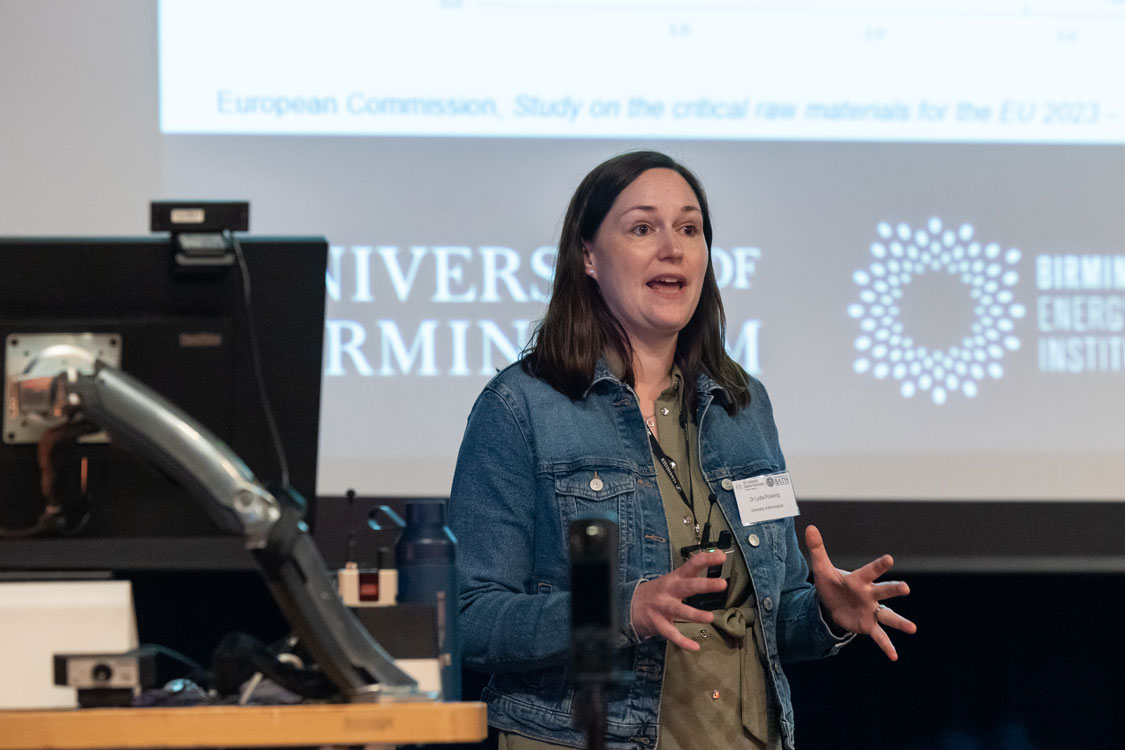
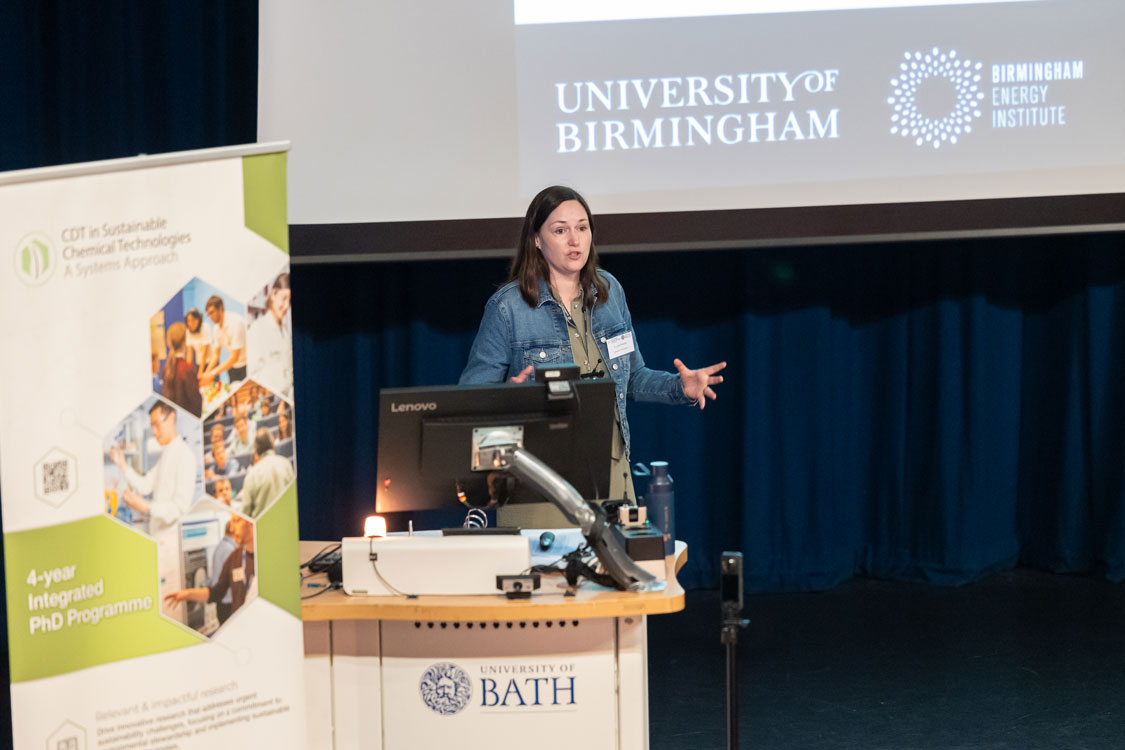
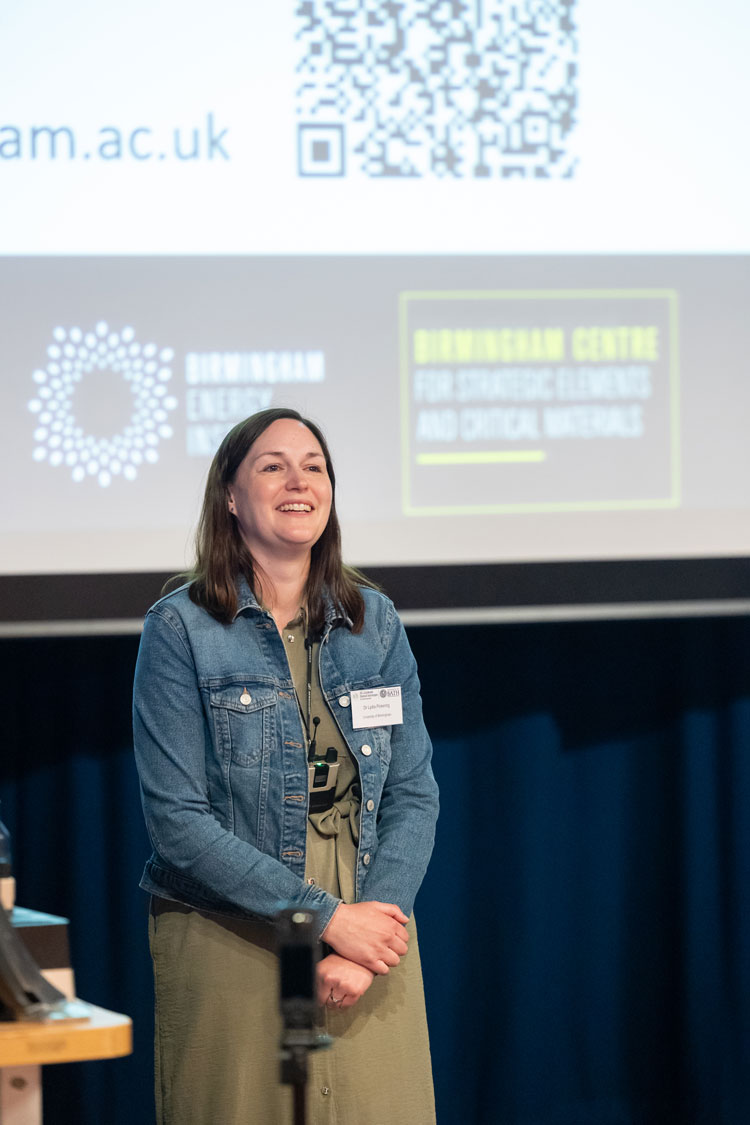
N: Dr Lydia Pickering D: Materials Science and Engineering U: University of Birmingham Talk title: Closing the Loop on Rare Earth Permanent Magnets: An Overview of Hydrogen-Based Recycling of NdFeB Q: BIO A: Dr Lydia Pickering is an Assistant Professor in Materials Science and Engineering at the University of Birmingham with over 15 years of experience in metal-hydrogen research. Her work includes the development of metal hydrides for hydrogen storage and compression applications, investigating hydrogen-driven degradation in structural materials and hydrogen-based recycling of rare earth permanent magnets from end-of-life applications including wind turbines, electric vehicles and electronics. Lydia is currently investigating hydrogen embrittlement across a range of different metal and alloy systems as part of the Rolls-Royce UTC agreement and is Co-I on the Innovate UK project “Re-Rewind” which aims to establish the UK's first circular supply chain for the rare earth magnets used in wind turbines. Alongside her research, Lydia teaches a Master’s Level module on The Circular Economy and is programme lead for the Sustainable Materials MSc programme. [[END]] L: | View University Profile | https://www.birmingham.ac.uk/staff/profiles/metallurgy/pickering-lydia

14:55

Tea & coffee

15:20

Cohort 24: 3MT

Three students, three minutes each. A presentation to explain their complex research to a non-specialist audience in under three minutes, using only one static slide. P: 10069 | Ben Morrison P: 4128 | James Mackay Renwick P: 10066 | Subhasmita Pradhan

15:25

Plenary

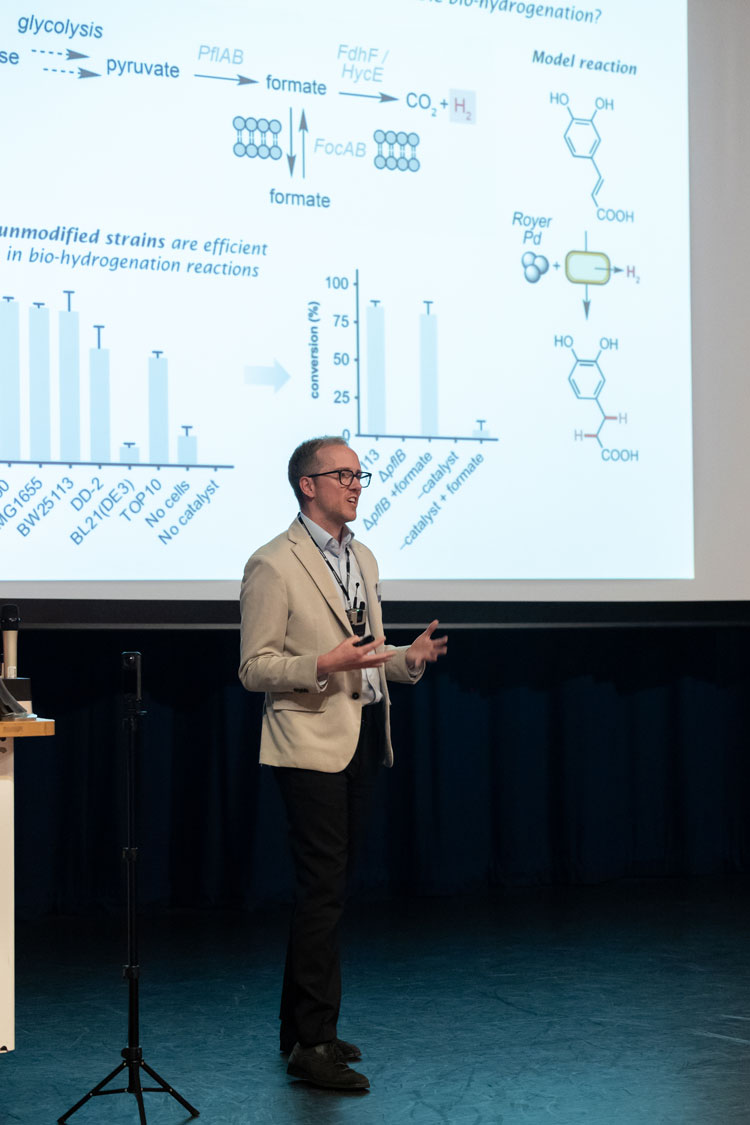
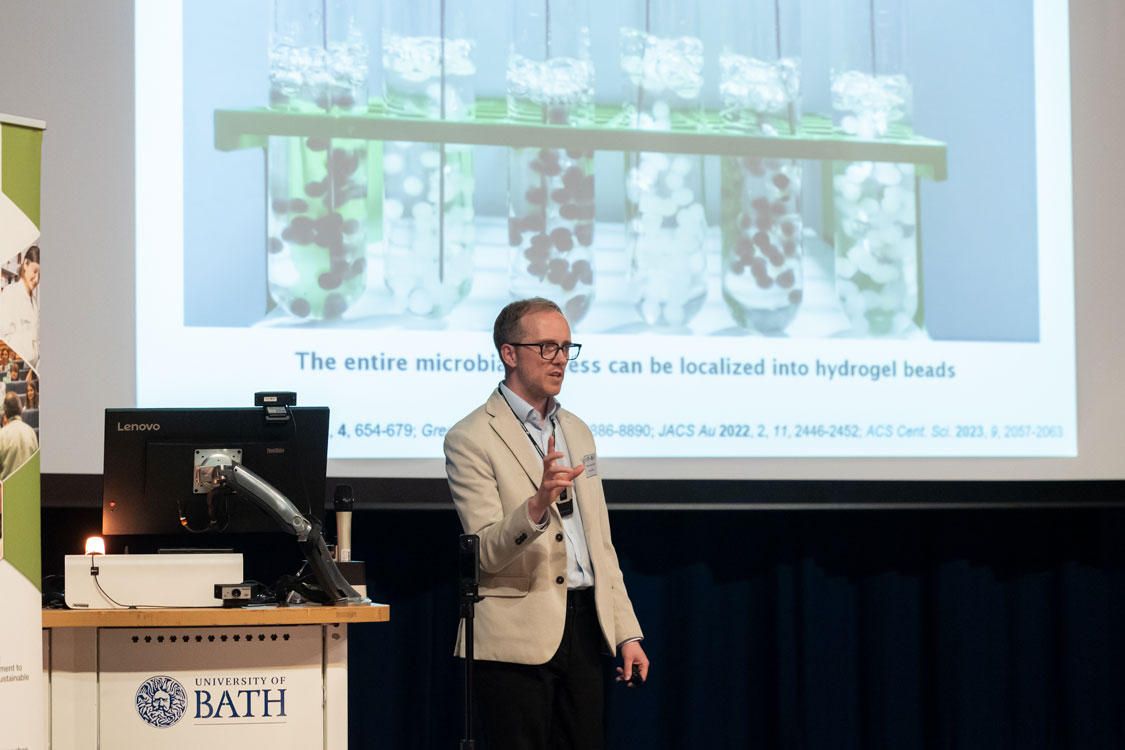
N: Professor Stephen Wallace D: Chemical Biotechnology U: University of Edinburgh Talk title: Microorganisms for Sustainable Synthesis: merging synthetic chemistry and synthetic biology Q: BIO A: Professor Stephen Wallace is Chair of Chemical Biotechnology at the University of Edinburgh. His research integrates synthetic biology and chemical catalysis to engineer microorganisms for the sustainable production of industrial chemicals from renewable feedstocks. He earned his MChem from Edinburgh and a DPhil in Organic Chemistry from the University of Oxford, followed by postdoctoral research at leading international institutions. Awarded a UKRI Future Leaders Fellowship, his work advances green chemical manufacturing through enzyme engineering and microbial biotechnology. His contributions to sustainable biotechnology have been recognised with major honours including the Colworth Medal, the Norman Heatley Prize, and a prestigious ERC Consolidator Grant. He is also Director of the Carbon-Loop Sustainable Manufacturing Hub (C-Loop) and a TEDx speaker on the future of biotechnology and sustainability. [[END]] L: | View University Profile | https://edwebprofiles.ed.ac.uk/profile/dr-stephen-wallace

16:25

Awards & Prizes

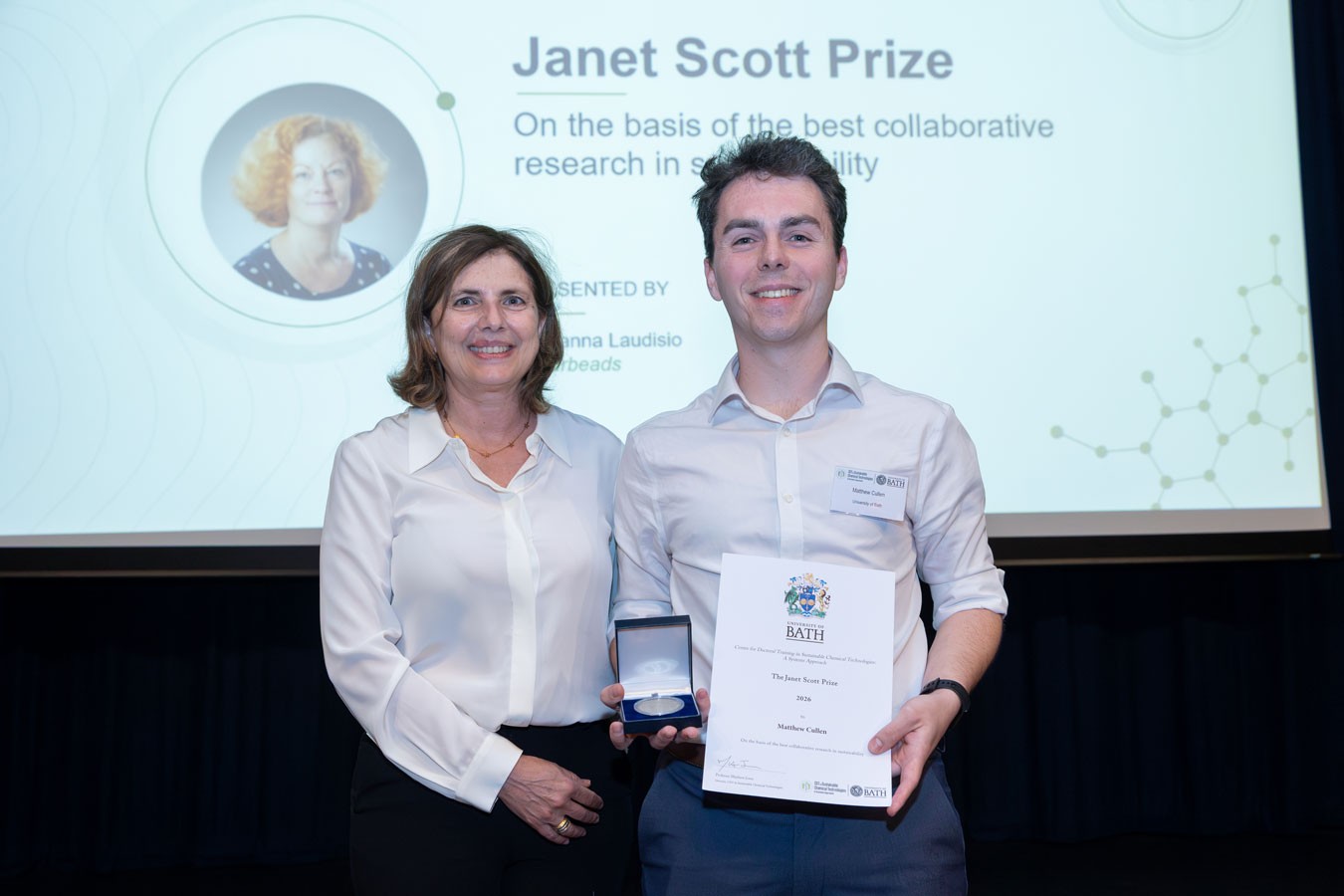
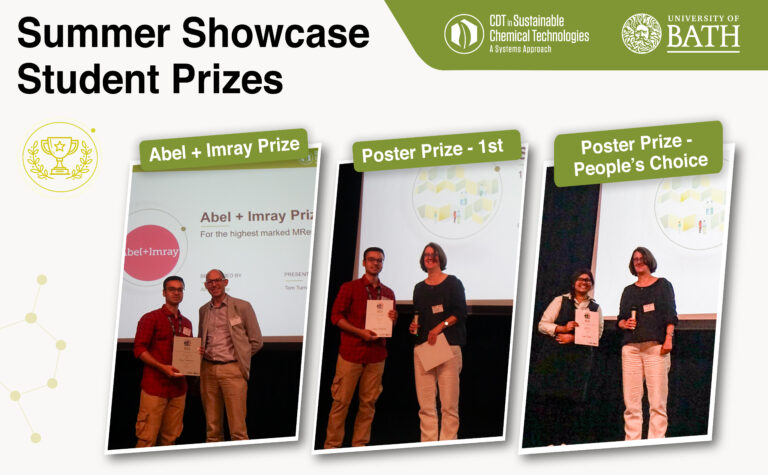
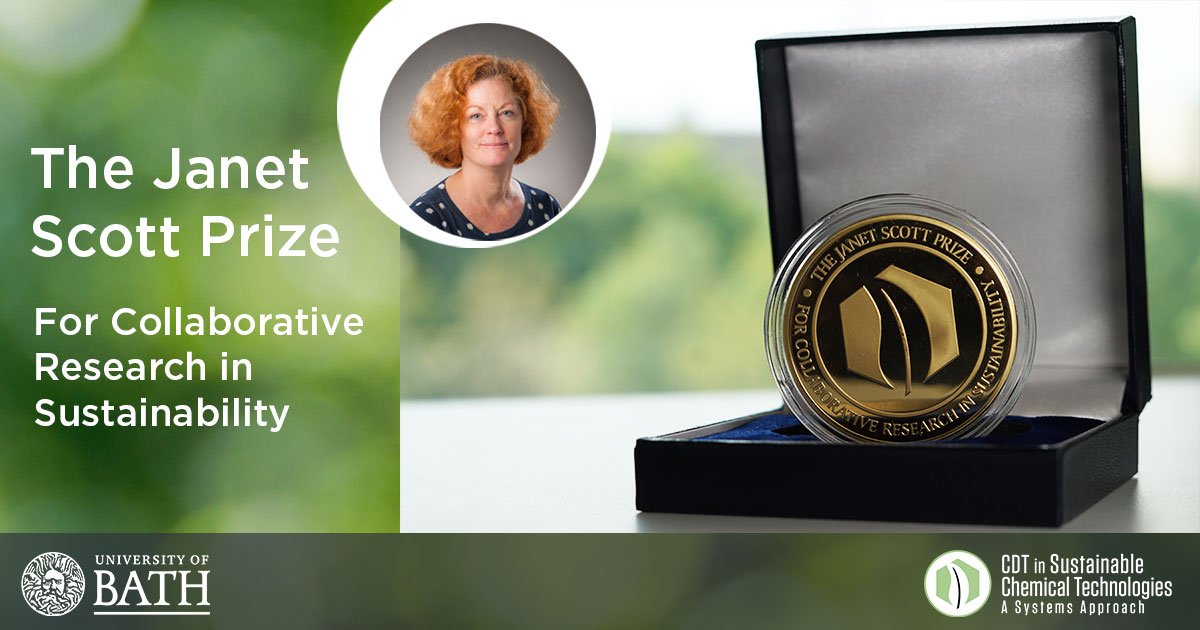
Janet Scott winner (15 minute talk), Abel+ Imray winner, Poster prizes

16:45

Closing remarks

17:00

Networking

Whether you are an academic, industry professional, policymaker, or sustainability enthusiast, this Showcase offers unique insights into how innovative research is addressing real-world challenges. 
 
Full programme details will be released soon.

Archive

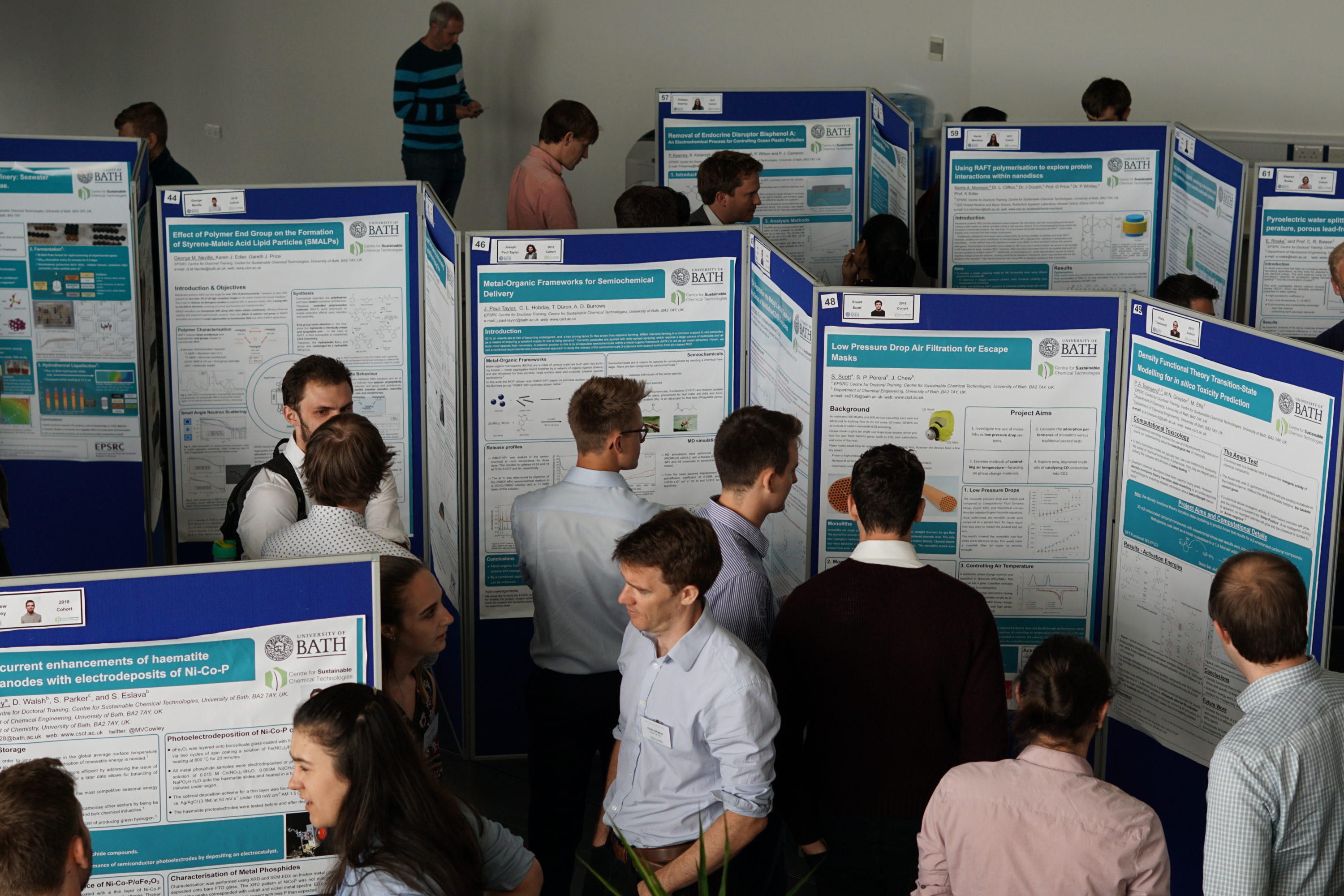
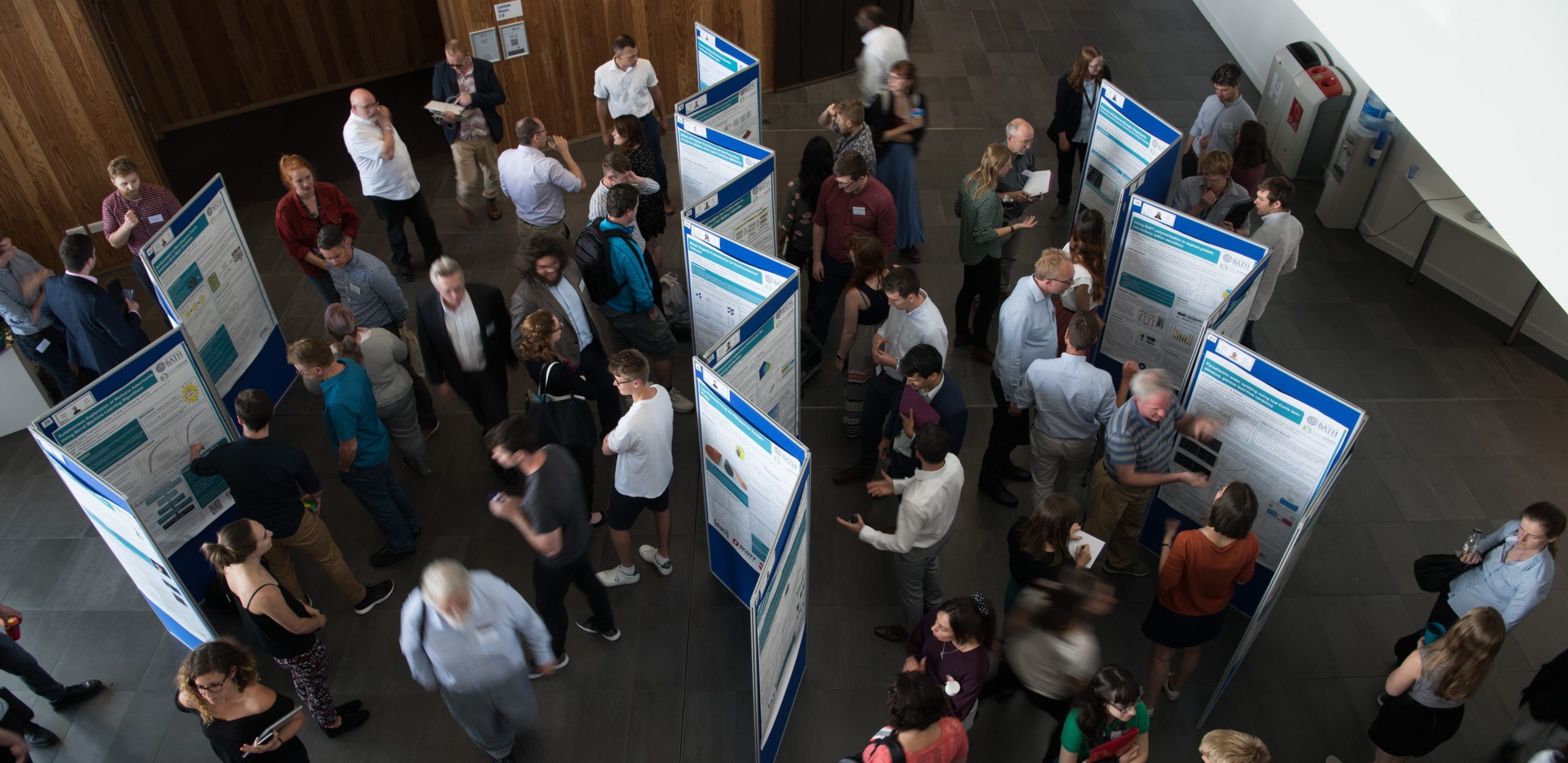
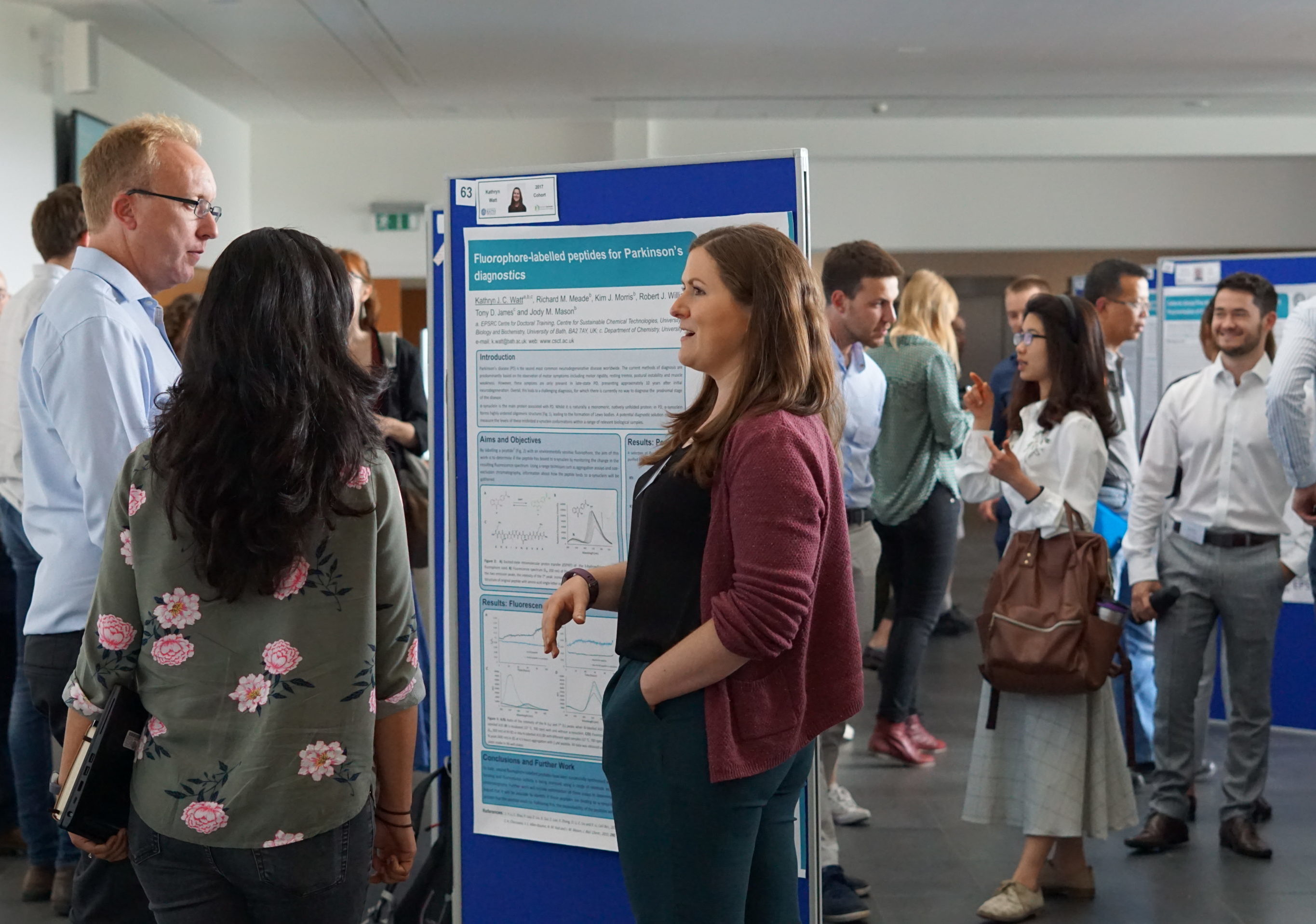
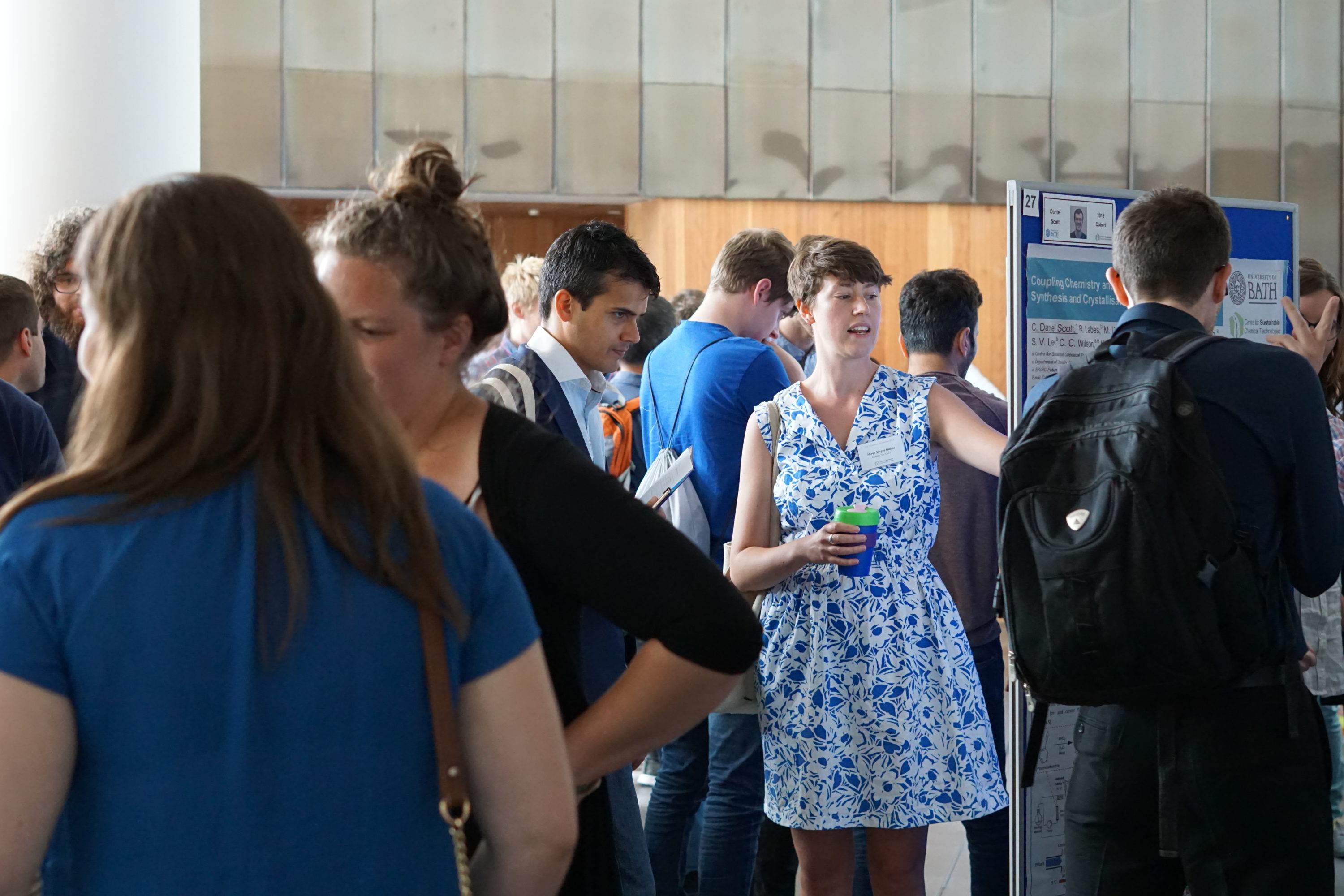
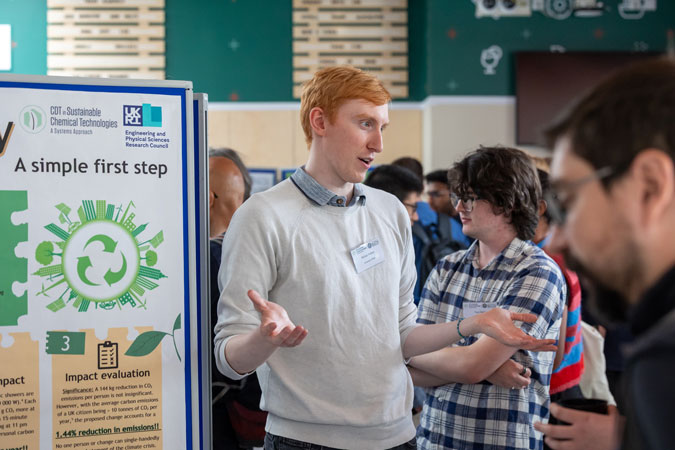
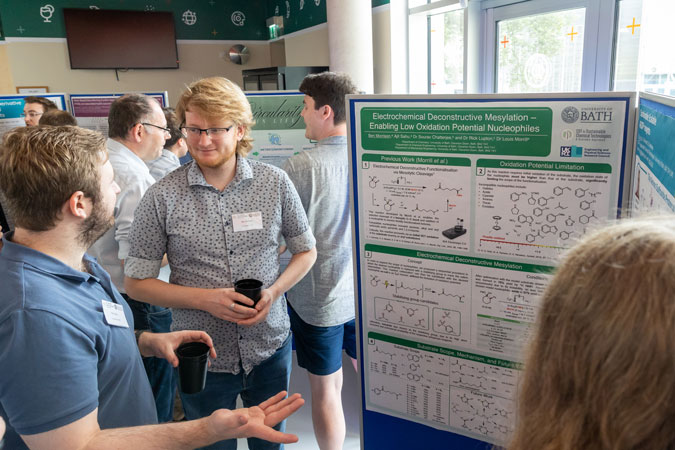
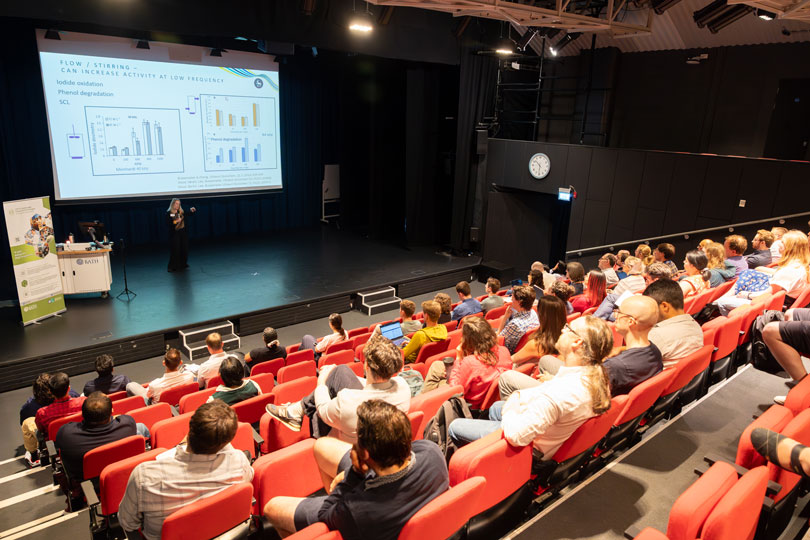
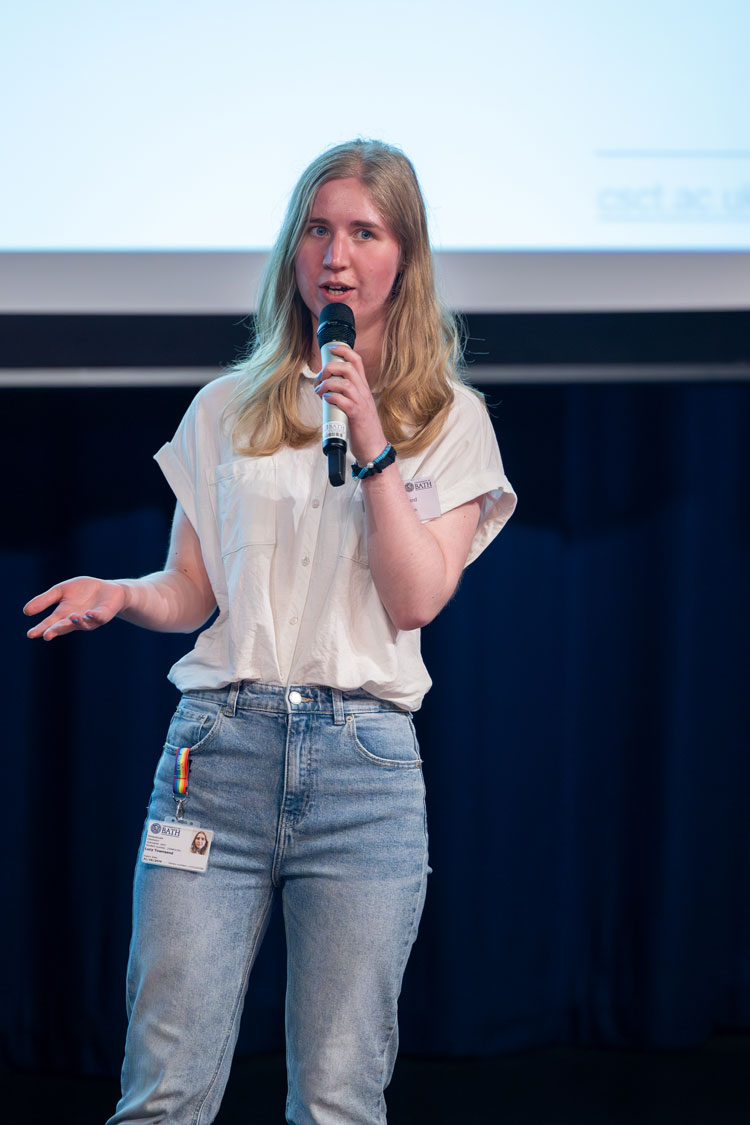
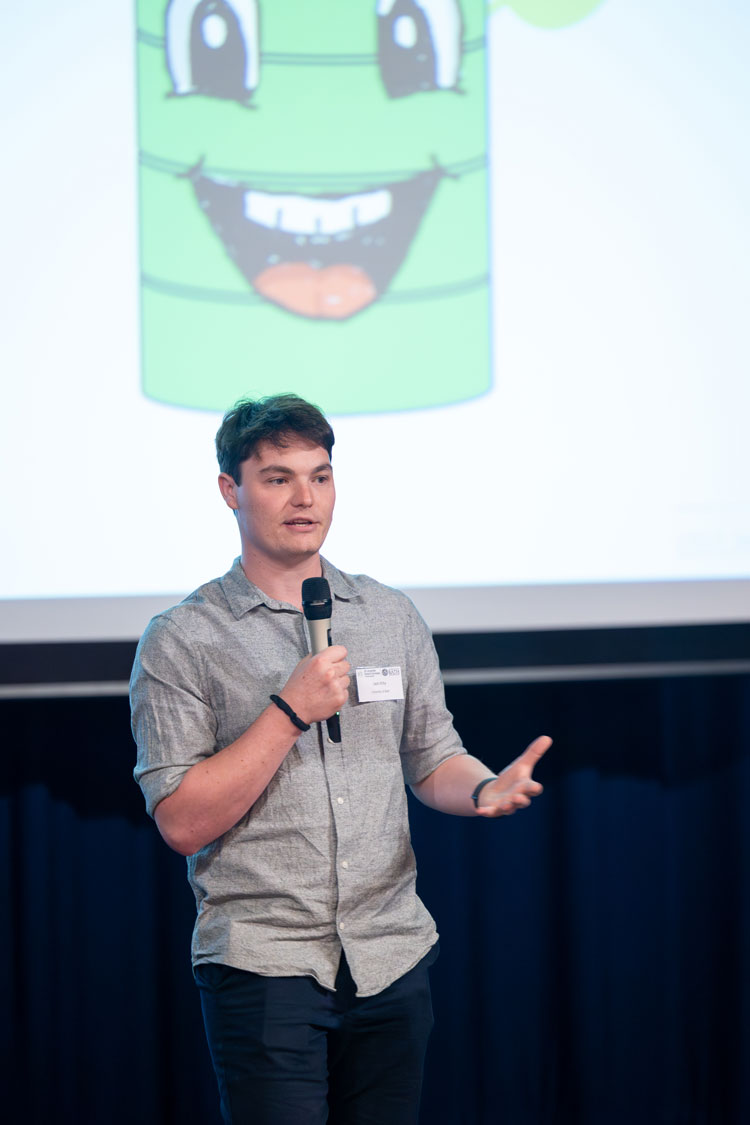
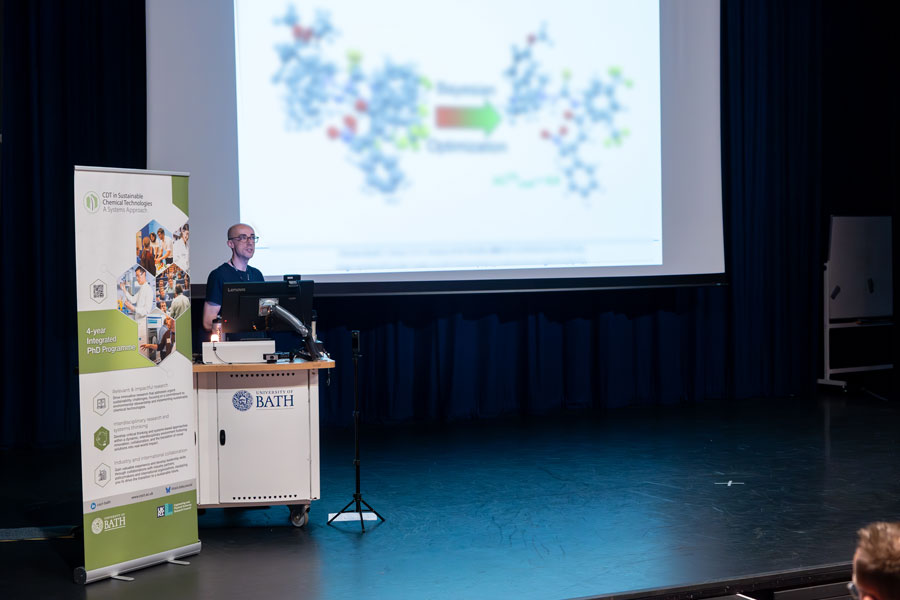
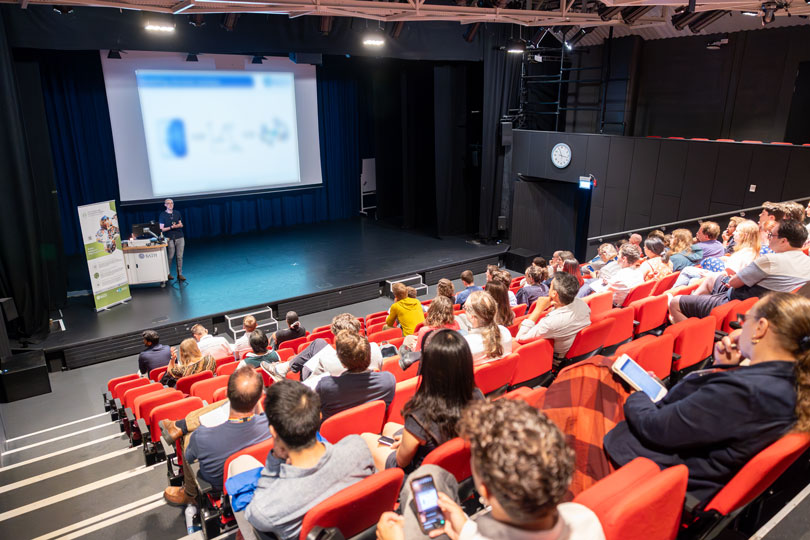
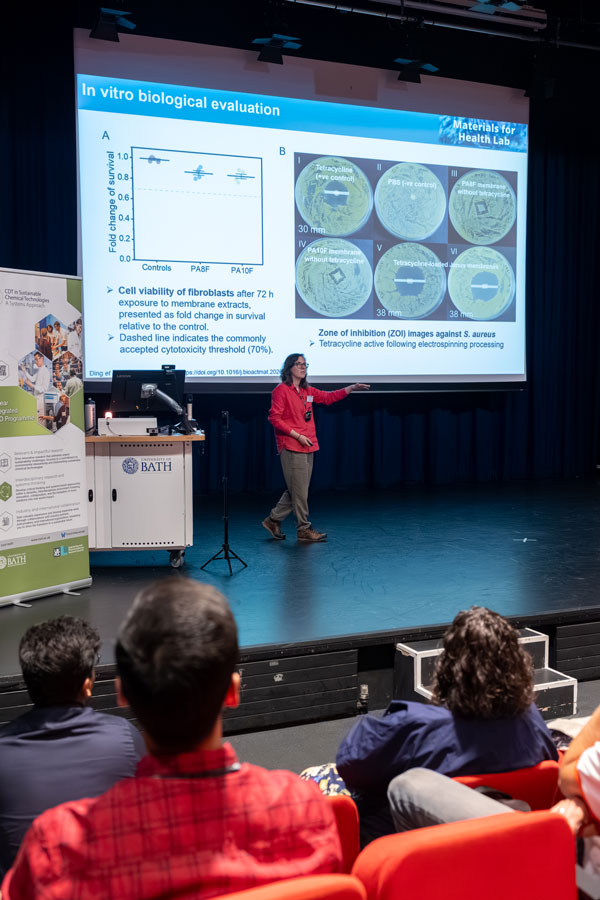
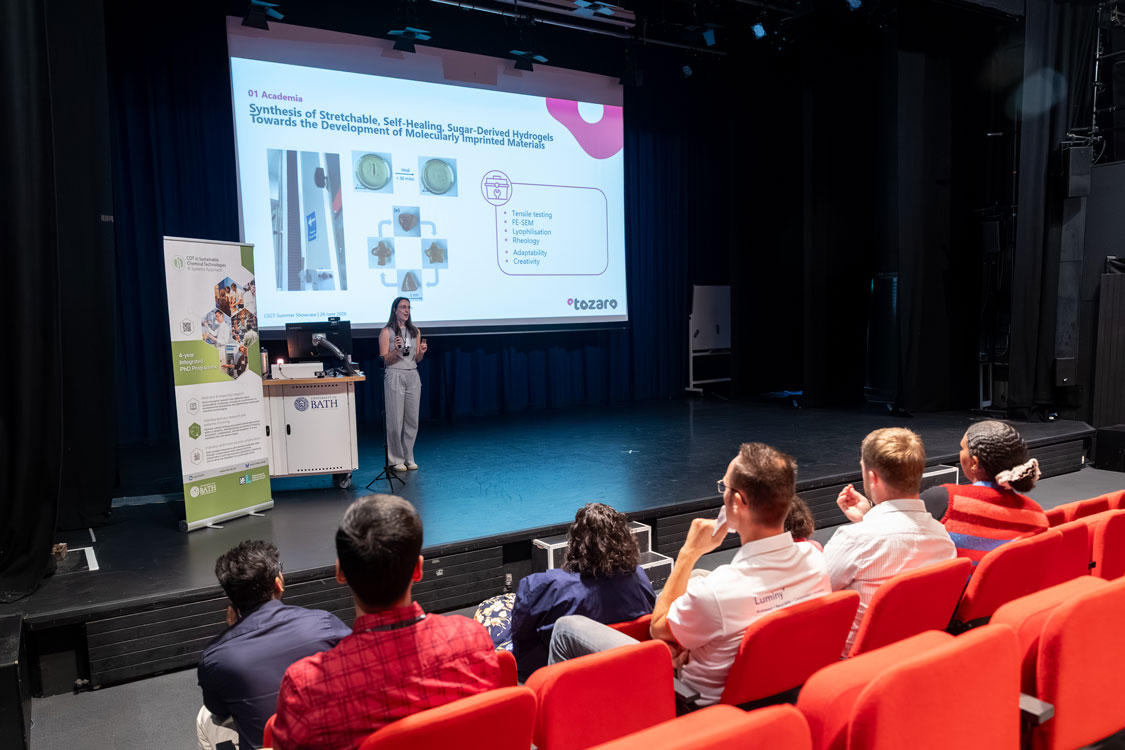
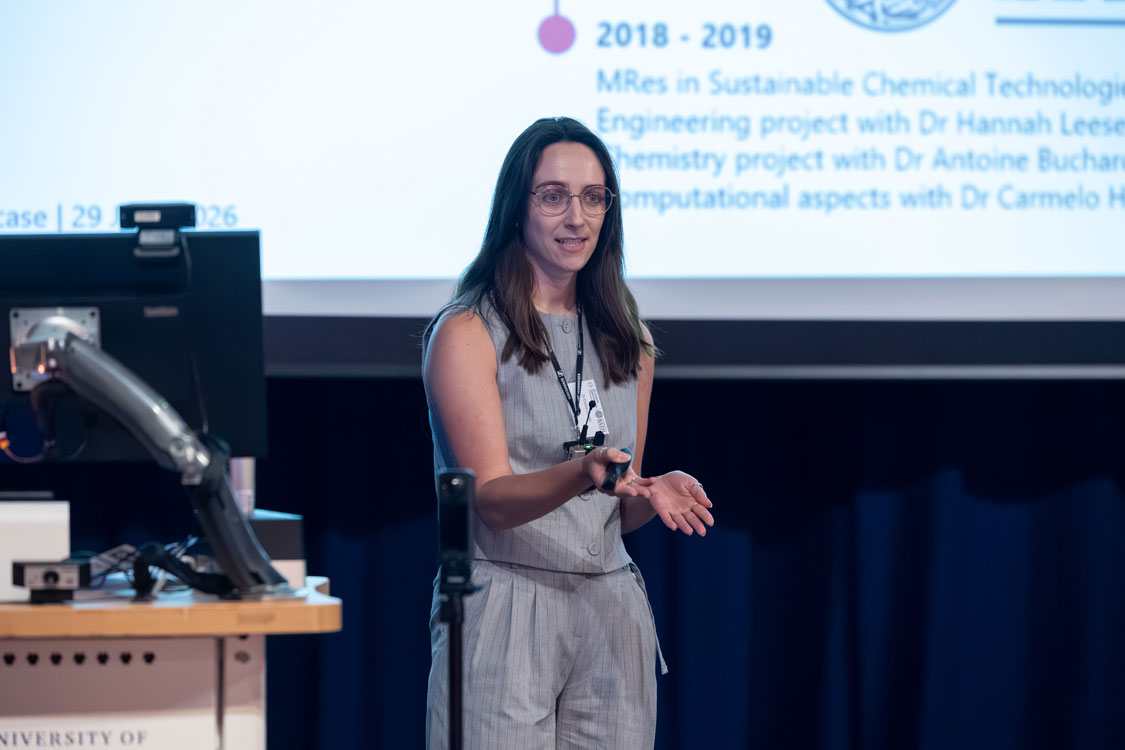
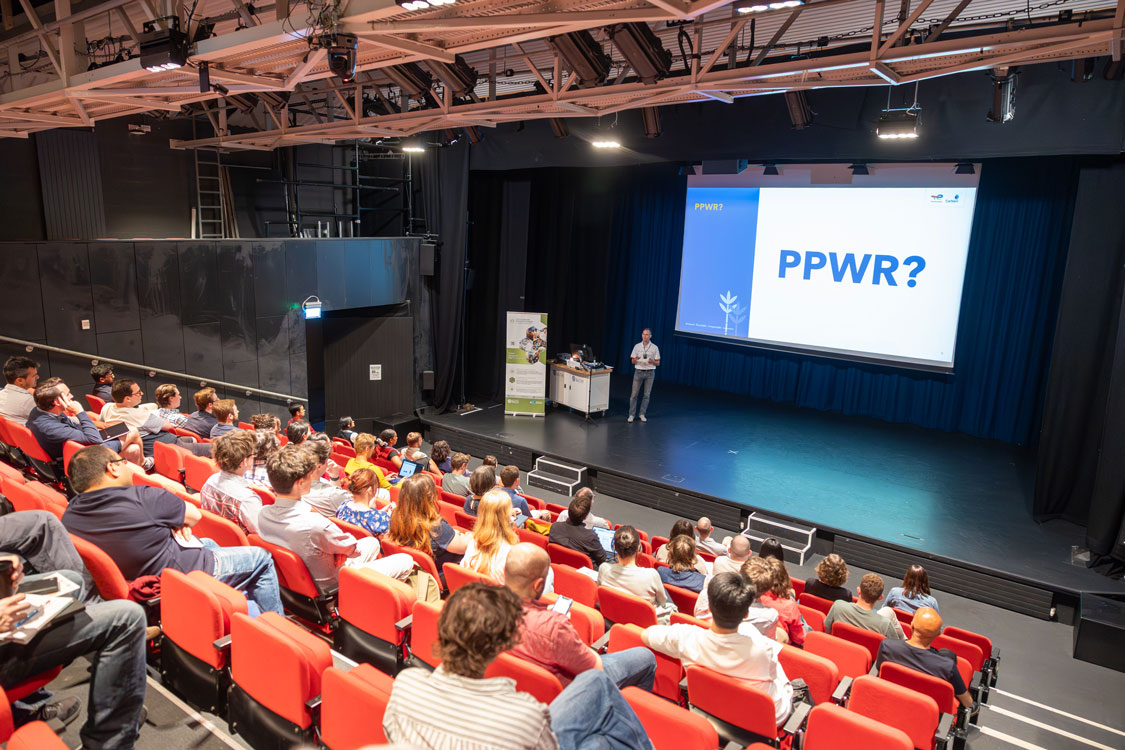
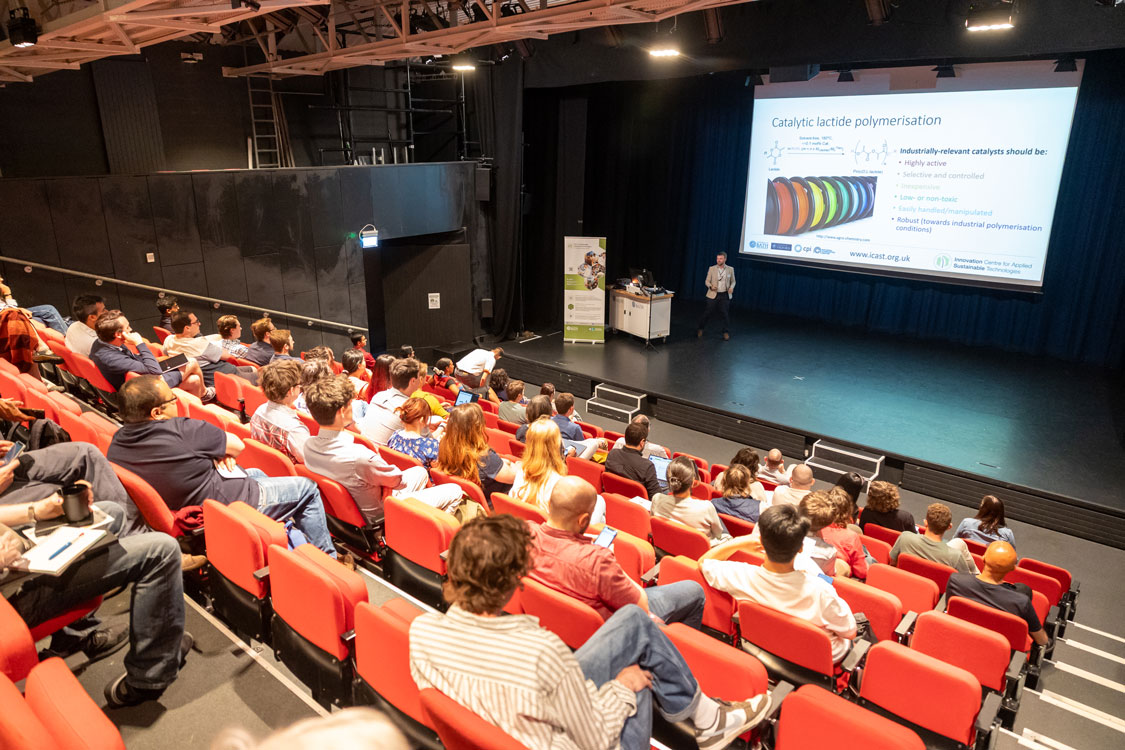
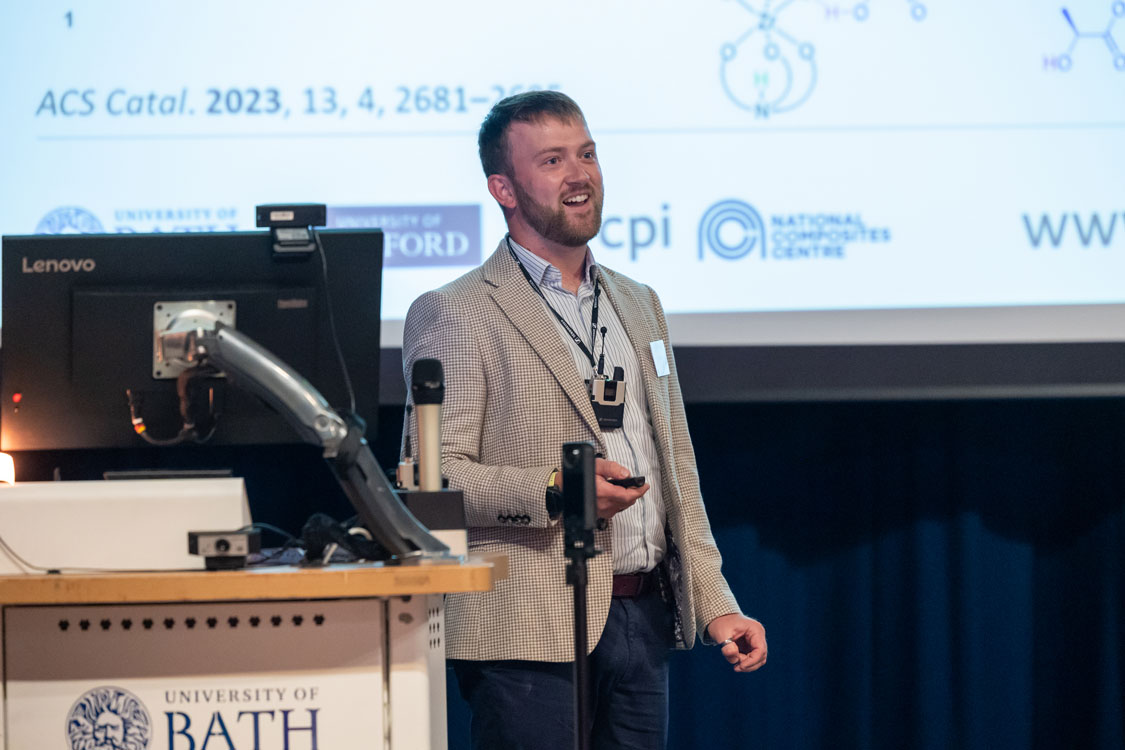
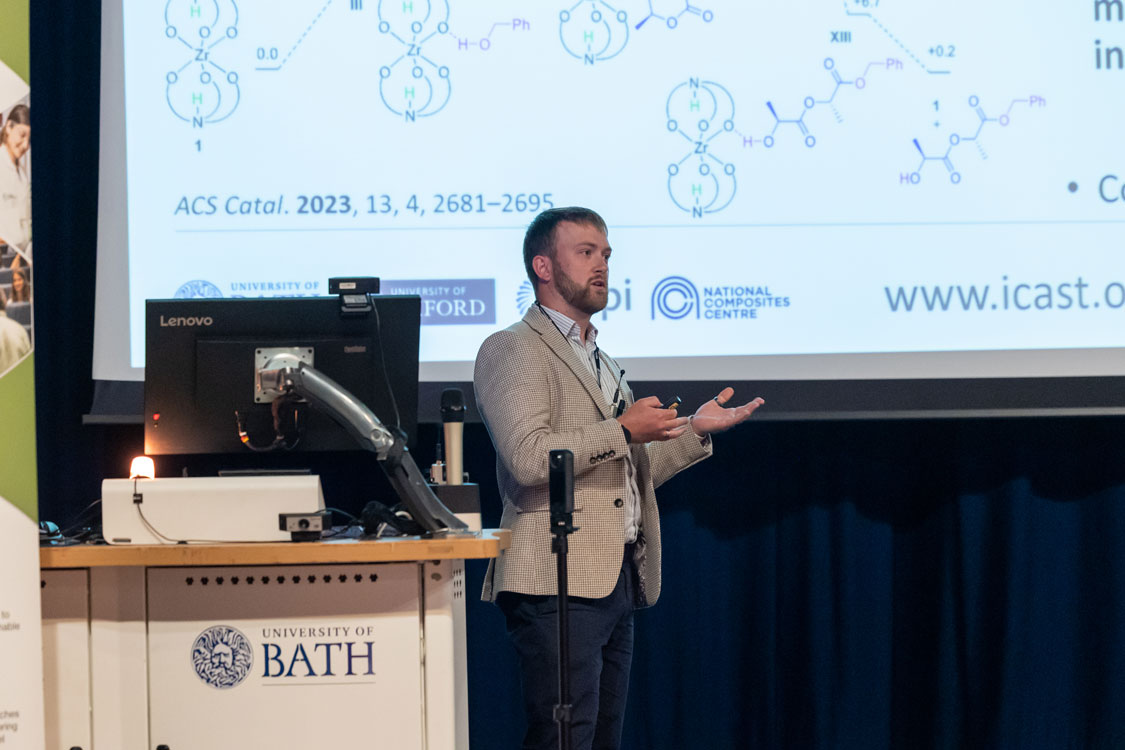
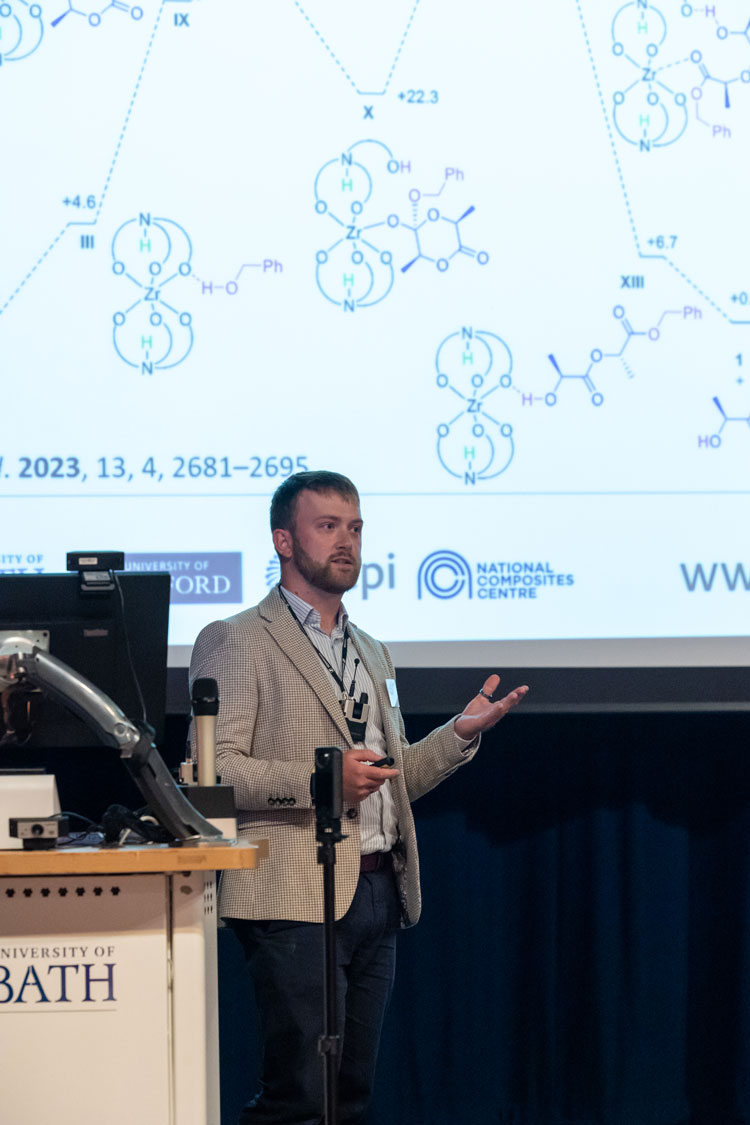
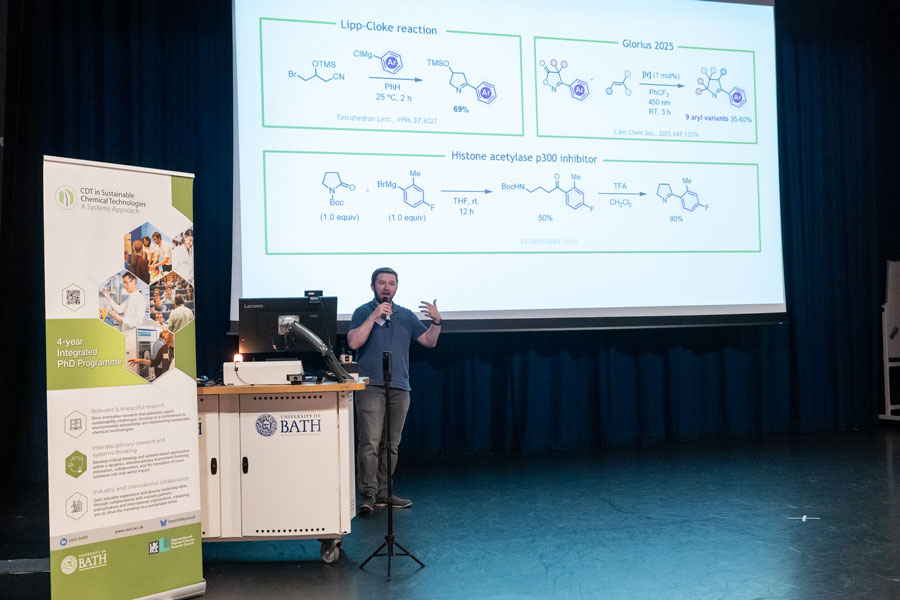
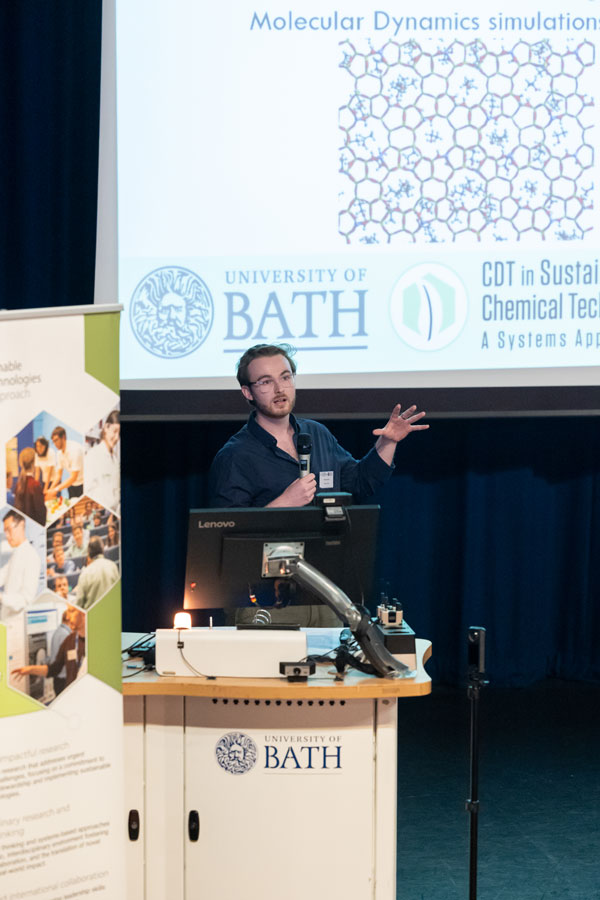
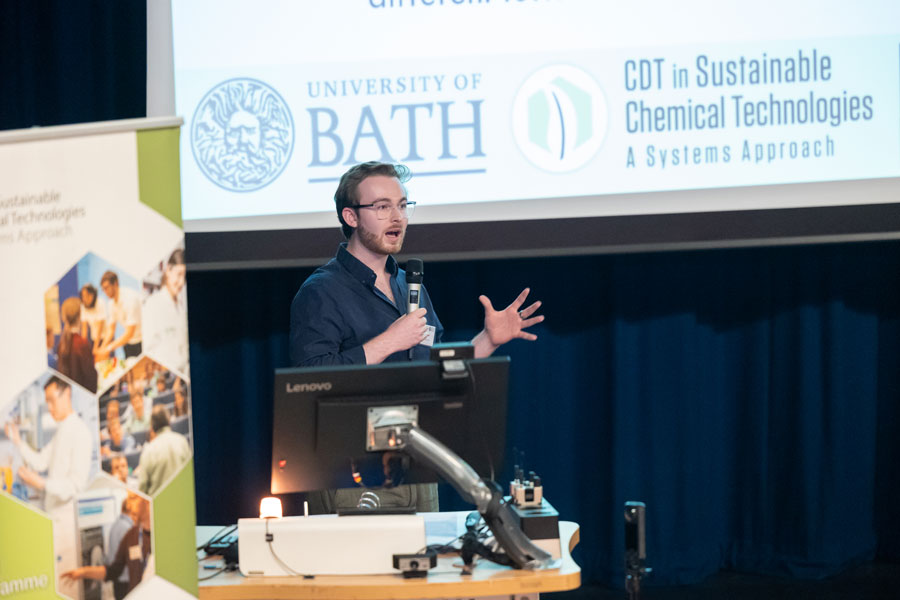
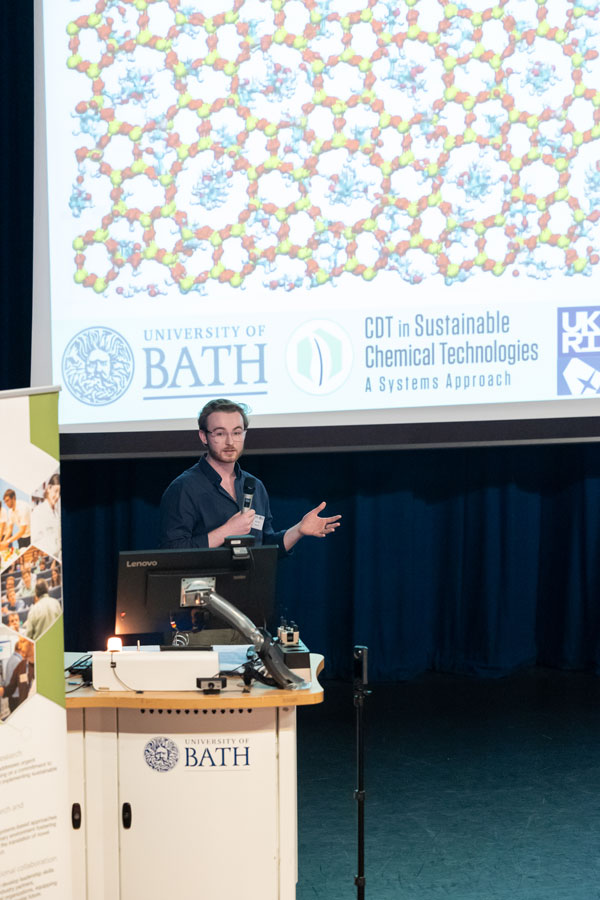
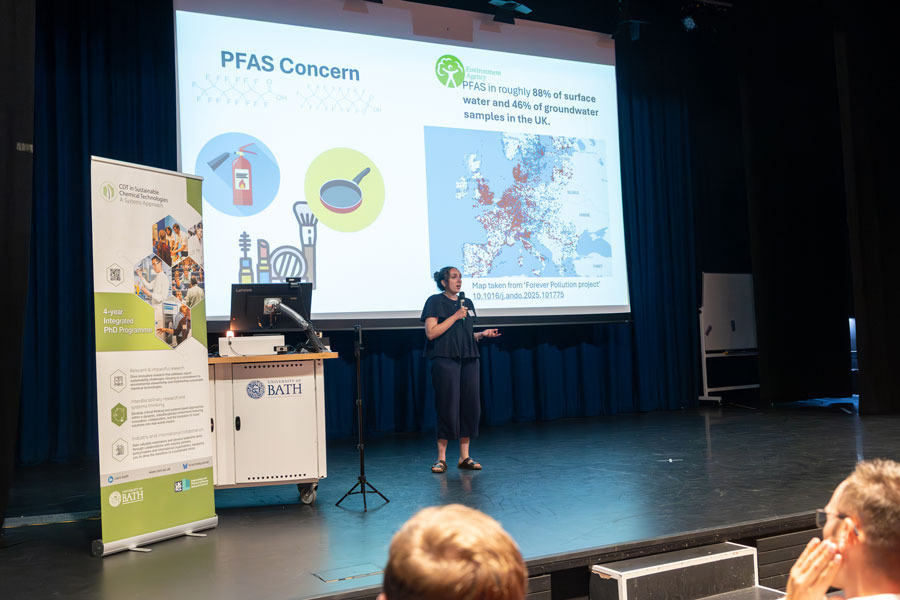
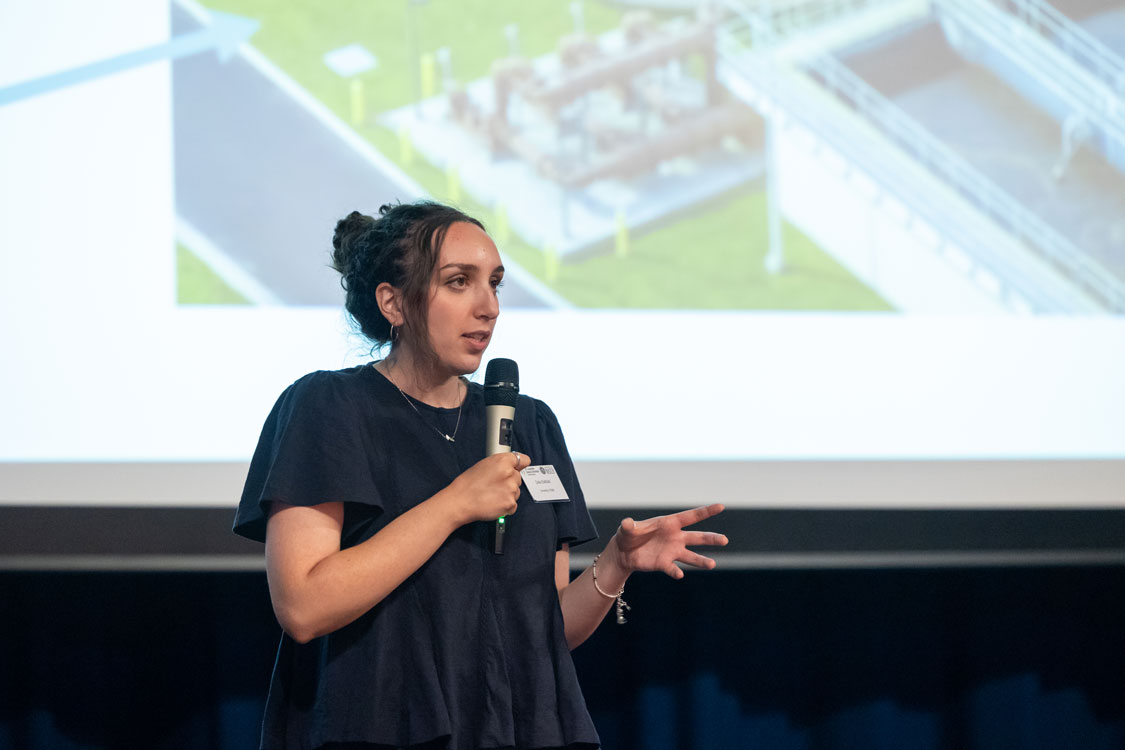
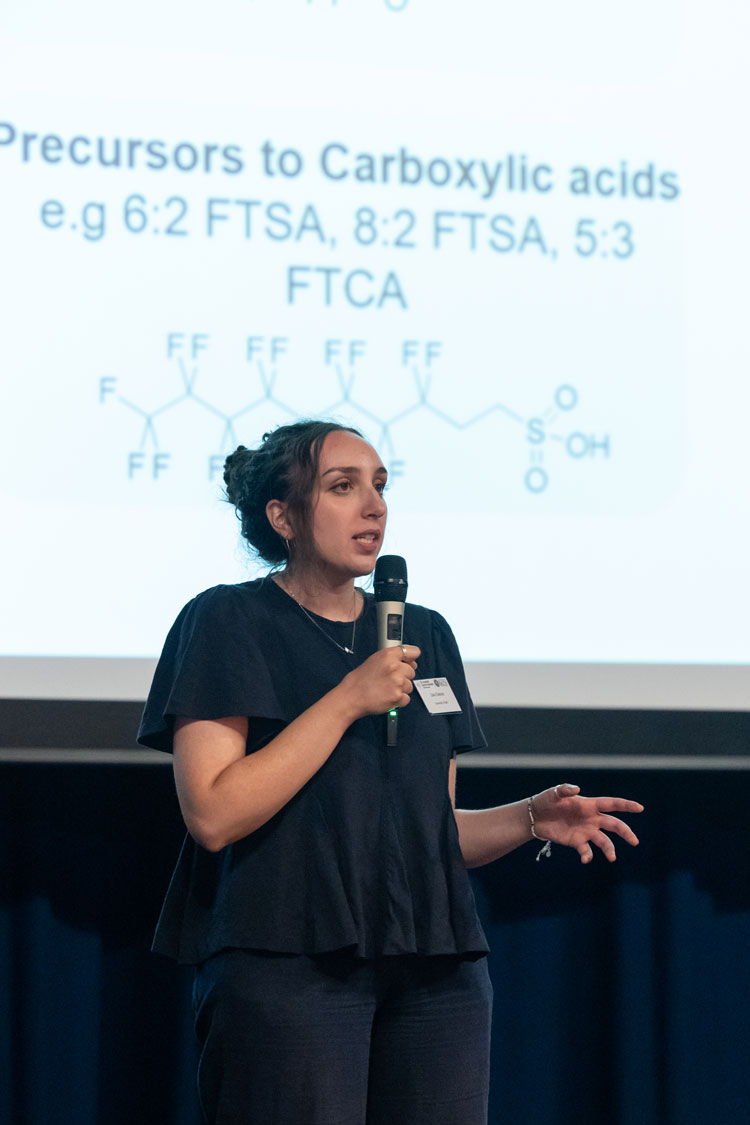
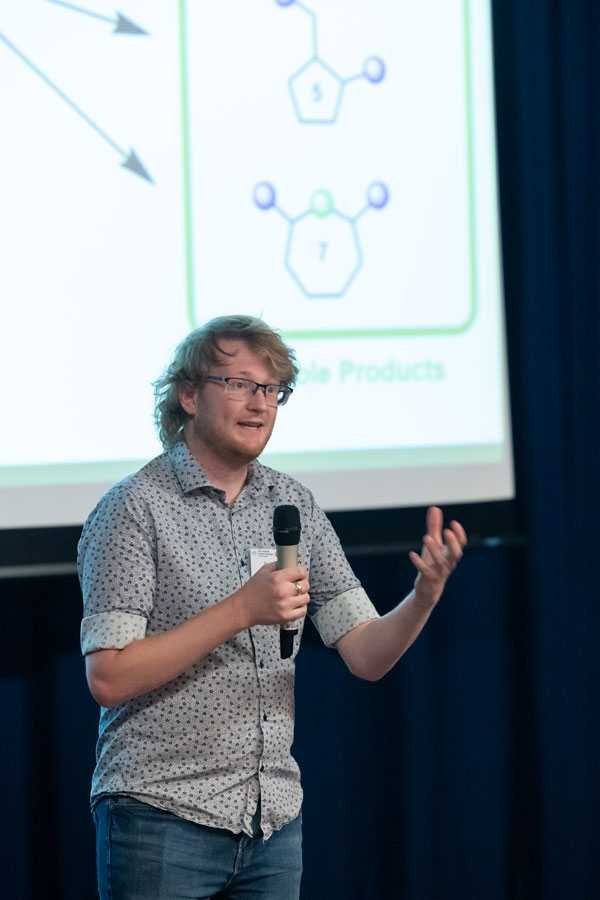
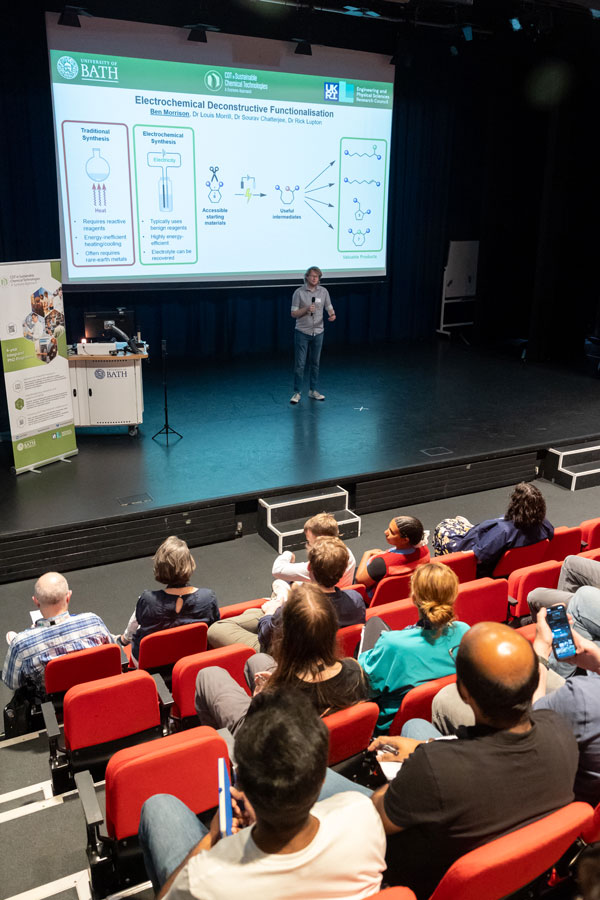
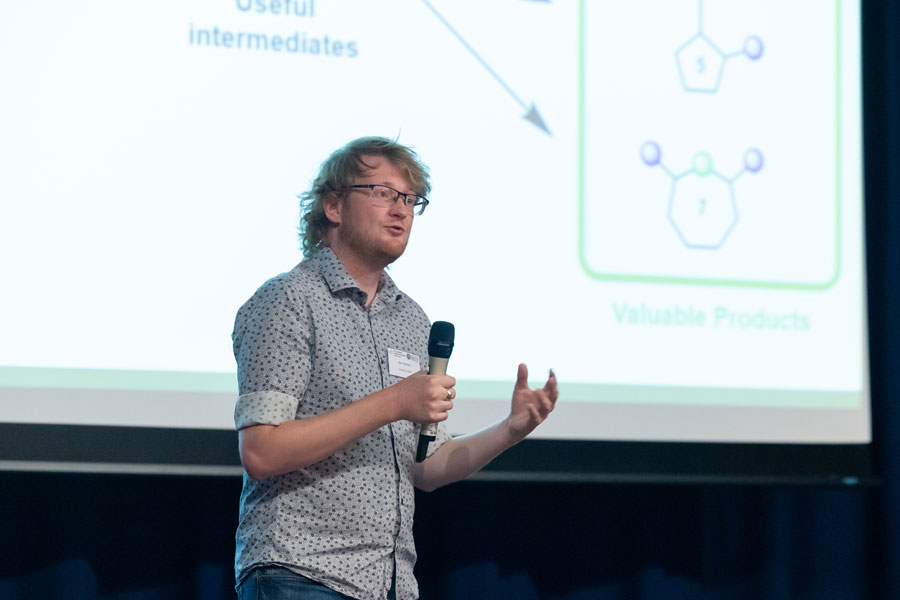
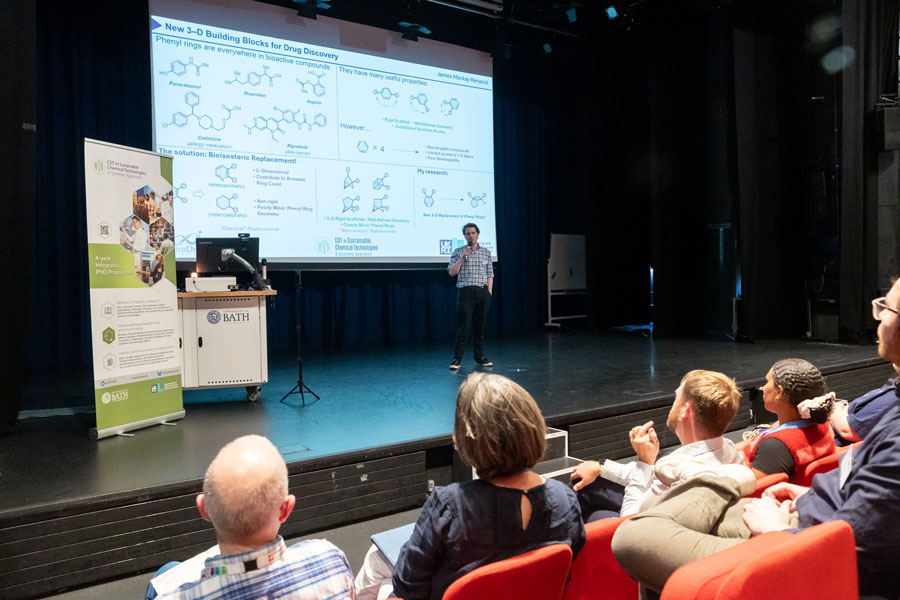
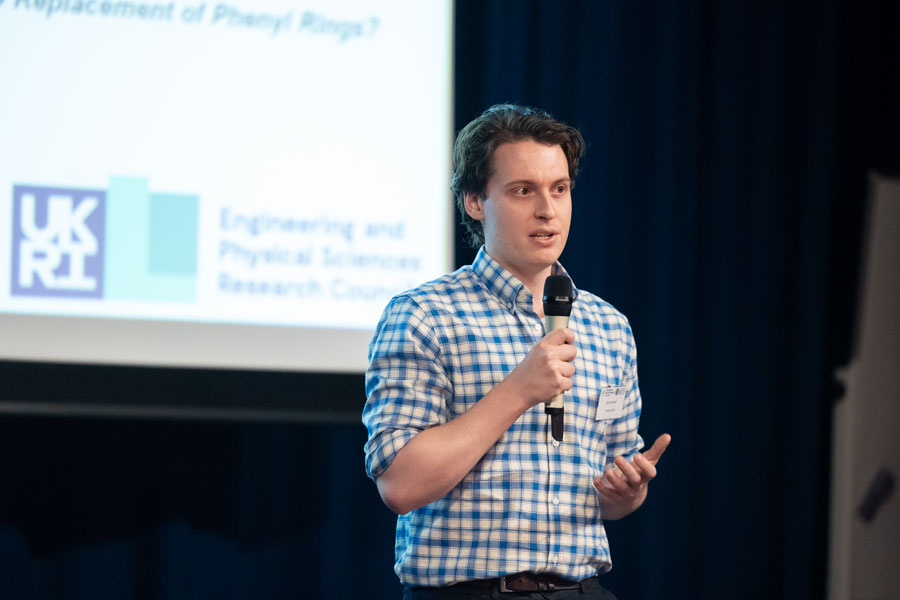
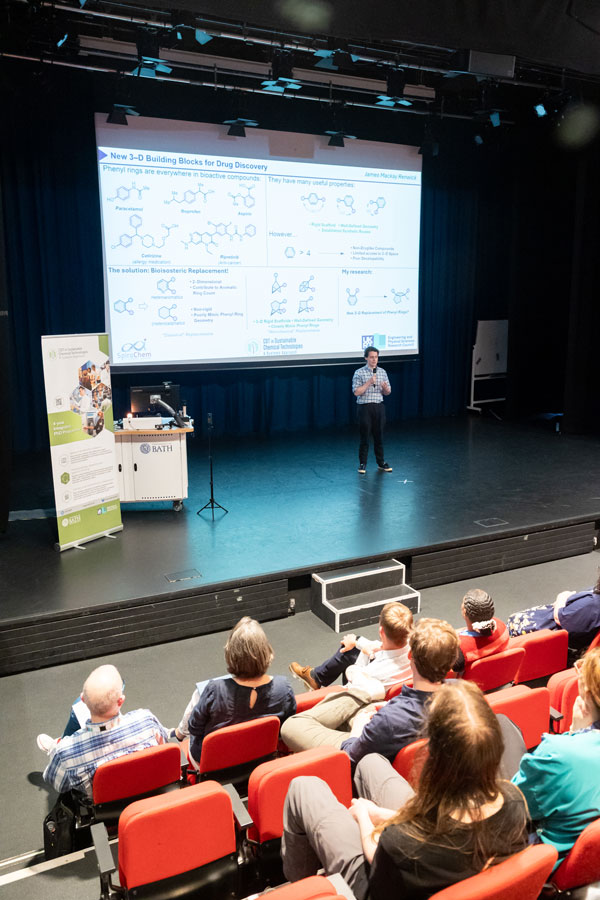
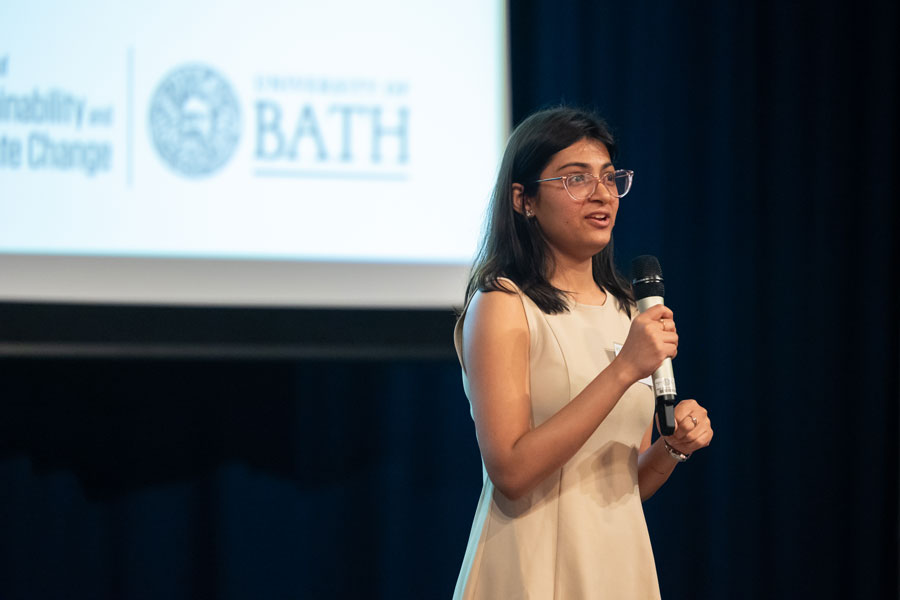
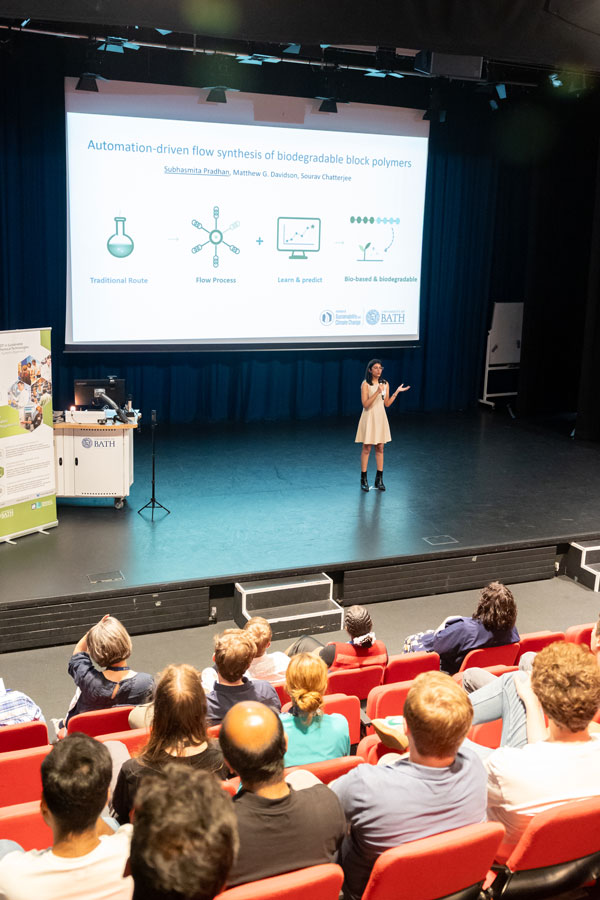
The 2025 Summer Showcase brought together a dynamic mix of researchers, industry innovators and policy experts to explore the future of sustainability. Co-hosted by the newly launc