



It is always a privilege to be part of the CSCT Summer Showcase.
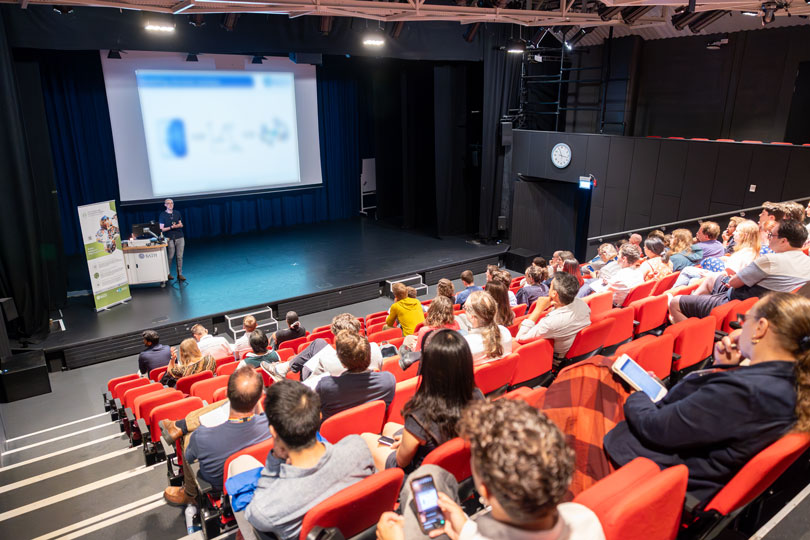
For one day each year, researchers, industry partners, alumni and friends of the Centre come together to share the latest advances in sustainable chemical technologies. New ideas are presented, collaborations are strengthened, and conversations begin that may shape the next generation of research.
But the Summer Showcase is about much more than the science.
It is, above all else, the students’ day.
From shaping the programme to hosting the event, presenting their research and leading discussions, the students are at the heart of everything the Showcase represents. We simply have the privilege of watching them take centre stage.
At the CSCT, we often describe the Showcase as an opportunity to share what’s next in sustainable chemical technologies. That message is important, but it should never overshadow something equally significant: communication.
The ability to communicate research is every bit as important as the research itself.
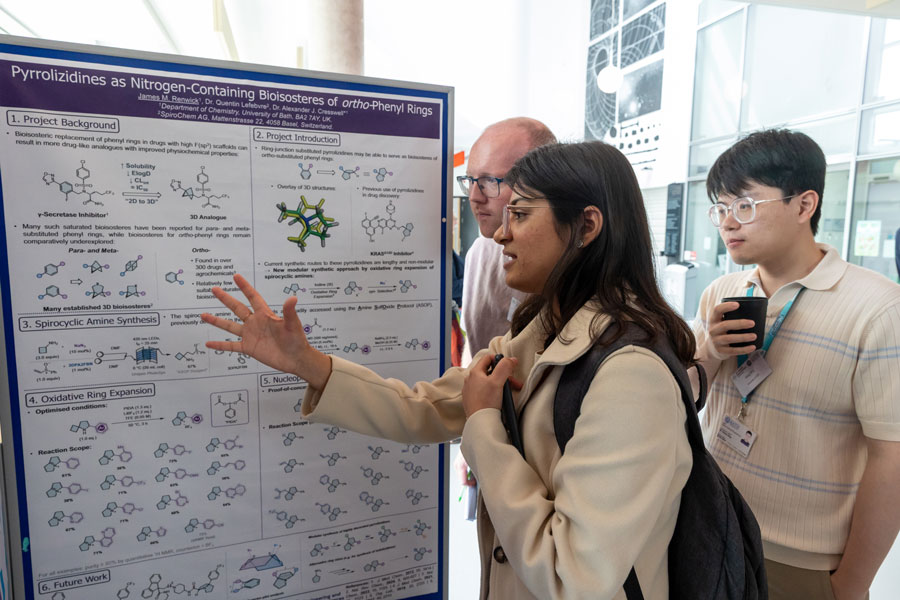
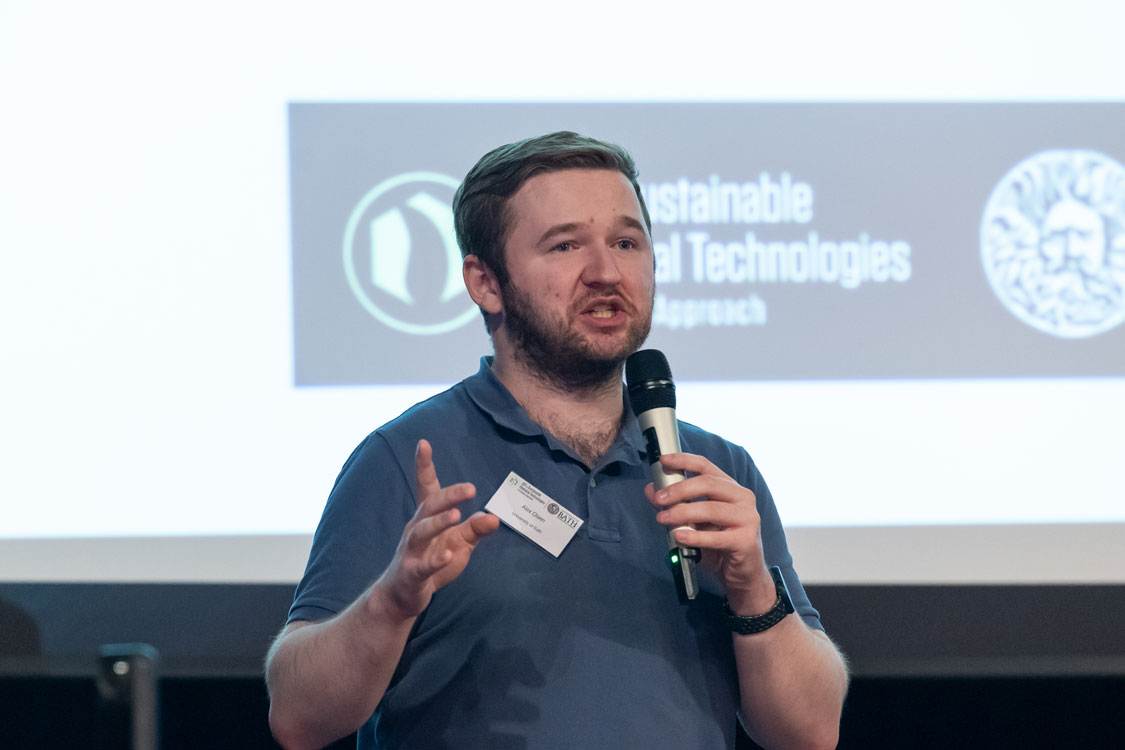
Whether standing on a stage delivering a plenary talk, presenting a poster to a room full of delegates, or explaining years of work in just a few minutes, every speaker is developing a skill that cannot be learned from a textbook. It takes preparation, courage and repetition. Very few people are born confident communicators. Like research itself, communication improves through practice.
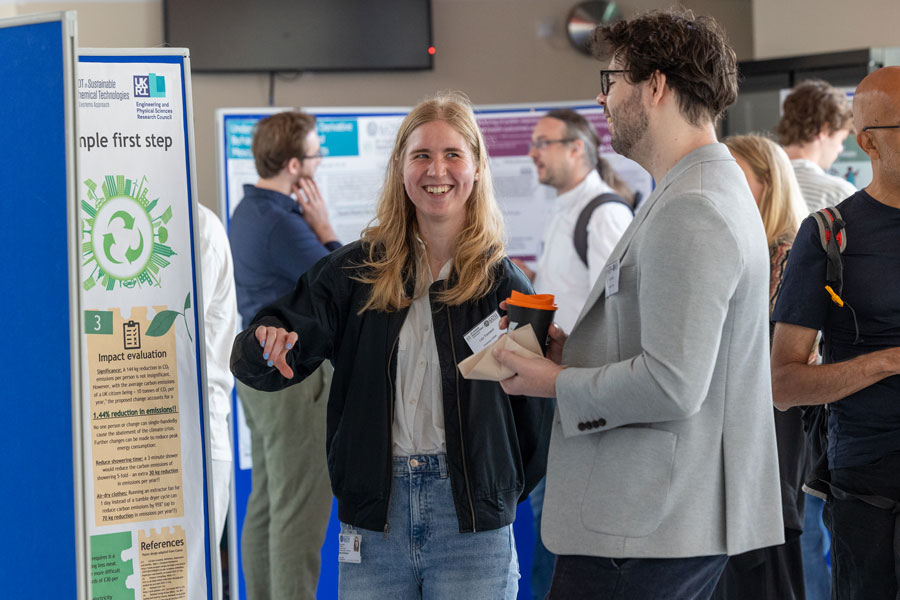
What stood out throughout the Showcase was not simply the quality of the science, but the willingness of every presenter to share it with others. Across every talk and poster session, there was a genuine desire to explain ideas clearly, answer questions openly and engage with people from different disciplines. That collaborative spirit lies at the heart of the CSCT.
If you presented this year, you are probably already reflecting on your performance. You’ll remember the moments that went exactly as planned, and perhaps a few that didn’t. That’s natural. Every speaker does it.
From our perspective, however, every presentation made a valuable contribution to the day.
You informed us. You challenged us. You inspired discussion. Most importantly, you communicated your research with enthusiasm and purpose.
For that, we thank you.
You should be immensely proud of what you achieved. More importantly, keep sharing your research, keep developing your voice, and keep building the confidence to stand up and explain why your work matters.
The world needs great scientists.
It also needs great scientific communicators.
We’d also like to extend our sincere thanks to our invited speakers, whose expertise, enthusiasm and generosity helped make this year’s Showcase such an inspiring event. From world-leading academics to industry innovators and CSCT alumni, each brought a unique perspective while sharing a common goal: advancing sustainable chemical technologies.
Here’s a summary of each presentation, in order of appearance.
Professor
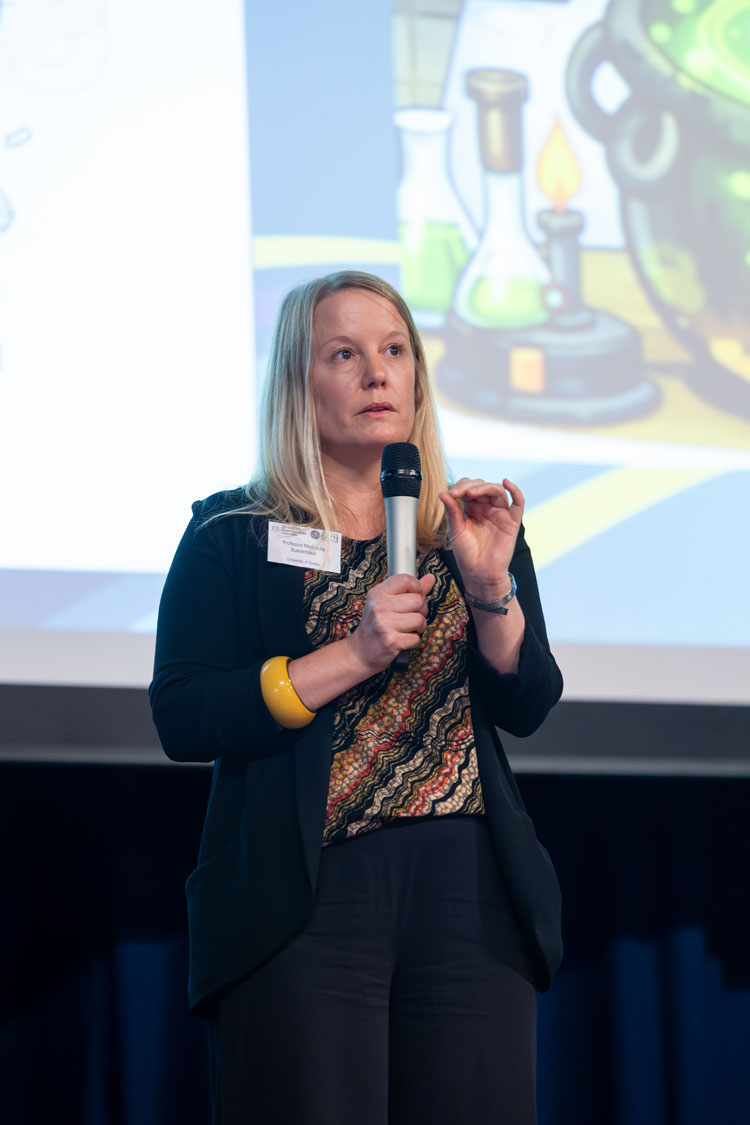
Madeleine Bussemaker
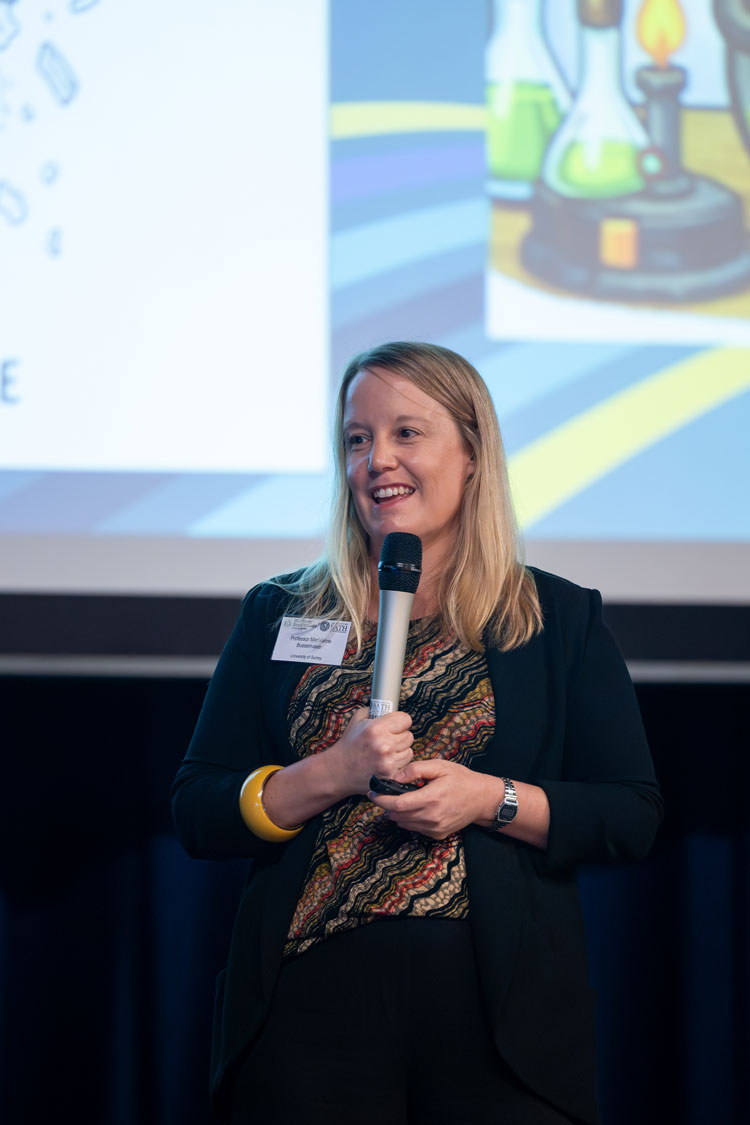
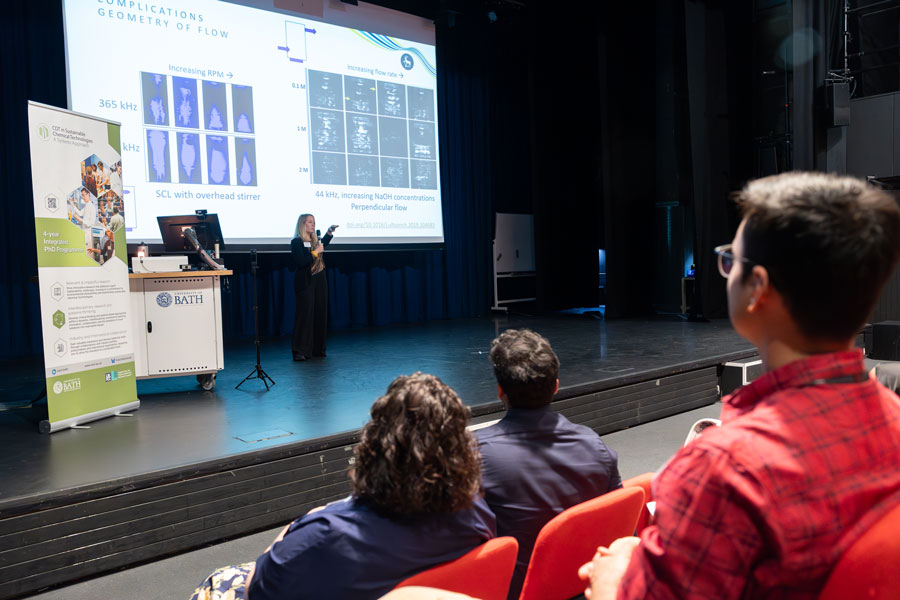
At first glance, bubbles might seem an unlikely tool for solving environmental problems. But Professor Madeleine Bussemaker (University of Surrey) showed how tiny bubbles created by ultrasound could play an important role in the future of sustainable chemical engineering.
Her research focuses on sonochemistry - using sound waves to create microscopic bubbles that rapidly grow and collapse. Although invisible to the naked eye, these collapsing bubbles briefly generate extreme conditions capable of driving chemical reactions that would otherwise be difficult to achieve.
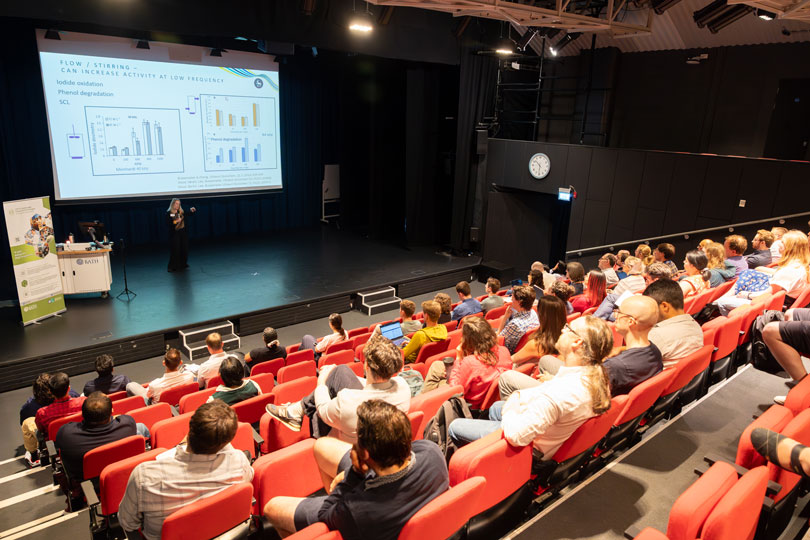
Professor Bussemaker explained that while sonochemistry has enormous potential, it is far from straightforward. The behaviour of these bubbles depends on factors such as sound frequency, reactor geometry, liquid properties and flow conditions. Small changes to any of these can dramatically alter the chemistry taking place, making the technology surprisingly difficult to predict and scale up. Her group's research combines detailed experimental studies with machine learning to better understand these complex interactions and help make sonochemical processes more reliable and transferable between different systems.
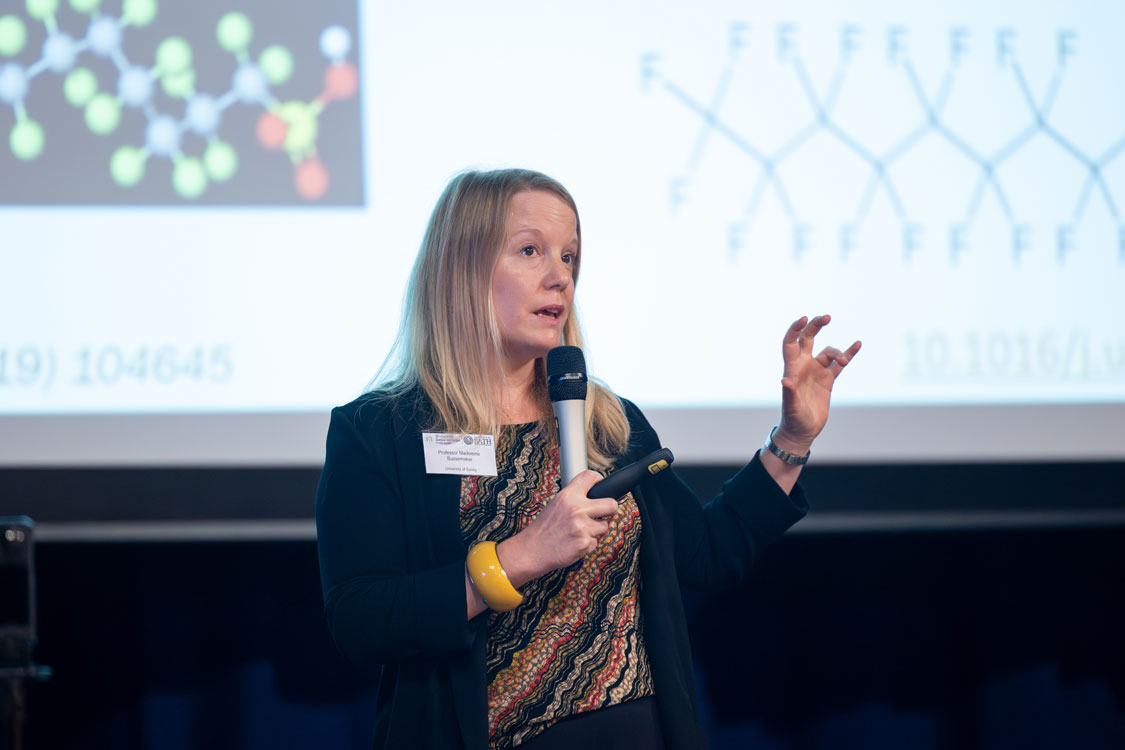
One of the most exciting applications discussed was the treatment of PFAS, often referred to as "forever chemicals". These highly persistent compounds are found in many everyday products and are increasingly recognised as a significant environmental challenge. Professor Bussemaker outlined how ultrasound-generated cavitation could become part of future treatment systems, helping to break down concentrated PFAS waste into safer products. Rather than presenting sonochemistry as a standalone solution, she highlighted how it could complement existing separation technologies within an integrated treatment process.
Throughout the talk, Professor Bussemaker emphasised that advancing sustainable technologies is not only about discovering new chemistry, but also about understanding the engineering principles needed to make those discoveries practical at real-world scale. It was an engaging overview of how fundamental research, data-driven modelling and environmental applications are coming together to tackle some of the most pressing challenges facing chemical engineering today.
Dr
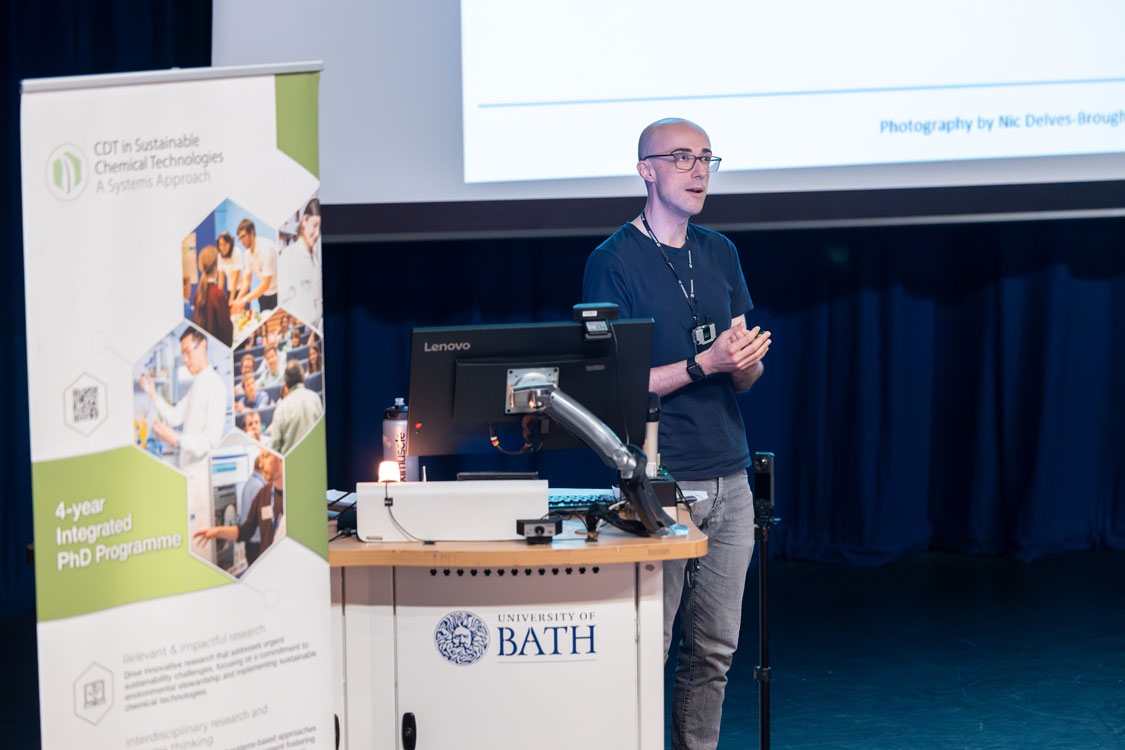
Matthew Grayson
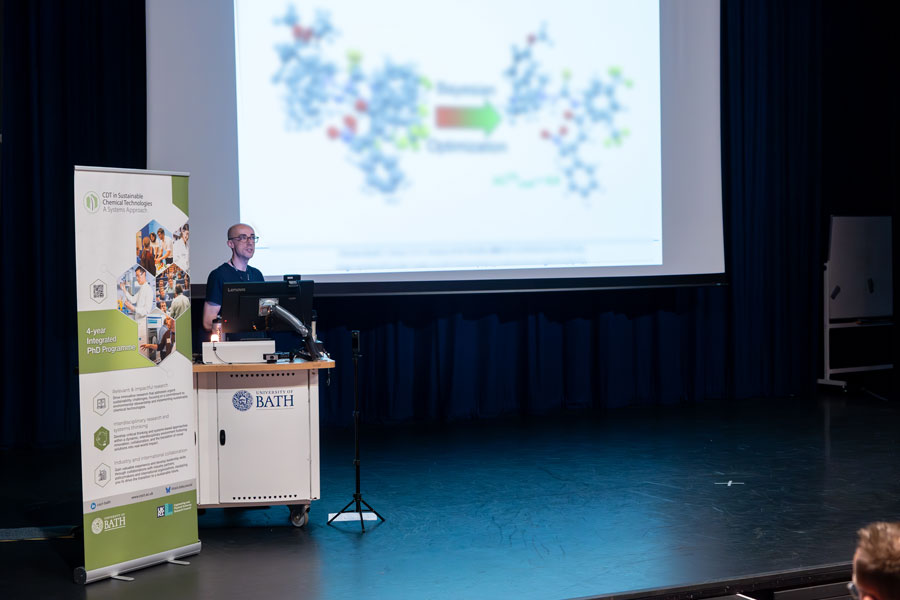
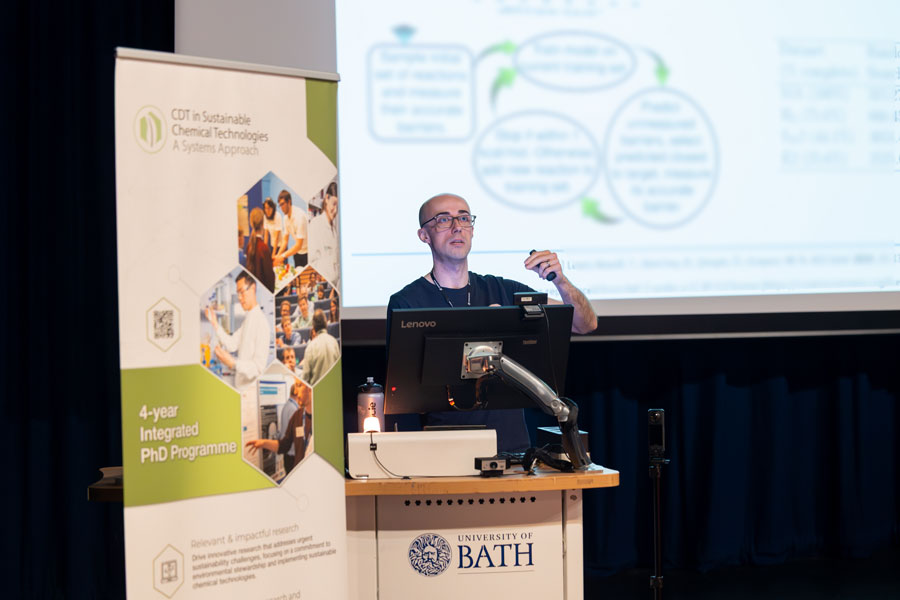
Designing a new chemical reaction has traditionally involved a combination of laboratory experiments and detailed computer simulations. While these computational models can reveal exactly how a reaction works at the molecular level, they often take days, weeks or even months to complete. Dr Matthew Grayson (University of Bath) showed how machine learning is helping to dramatically speed up this process without sacrificing the chemical understanding that researchers rely on.
Dr Grayson's research combines traditional molecular modelling with artificial intelligence to predict how molecules will behave before they are tested experimentally. Rather than replacing established computational chemistry methods, machine learning acts as a powerful accelerator, allowing researchers to identify promising reactions in seconds instead of months. This enables chemists to spend less time on computational bottlenecks and more time designing new molecules and testing new ideas in the laboratory.
A key theme throughout the presentation was the importance of combining the strengths of both approaches. Conventional quantum chemical calculations remain essential because they provide detailed mechanistic insight into how reactions occur. Machine learning, meanwhile, can rapidly predict reaction barriers and guide researchers towards the most promising areas of chemical space using only a fraction of the computational effort. Dr Grayson demonstrated how techniques such as transfer learning and Bayesian optimisation allow accurate predictions to be made using remarkably small datasets, making these tools increasingly practical for real-world research.
These advances have applications across synthetic chemistry, drug discovery and toxicology, where understanding molecular reactivity is essential. By combining physics-based modelling with modern AI techniques, Dr Grayson's group is helping researchers explore chemical space far more efficiently, reducing trial and error while maintaining the mechanistic insight needed to design better reactions and molecules. As he concluded, the future is unlikely to be machine learning replacing computational chemistry. Instead, it will be a synergistic partnership where both approaches work together to accelerate chemical discovery.
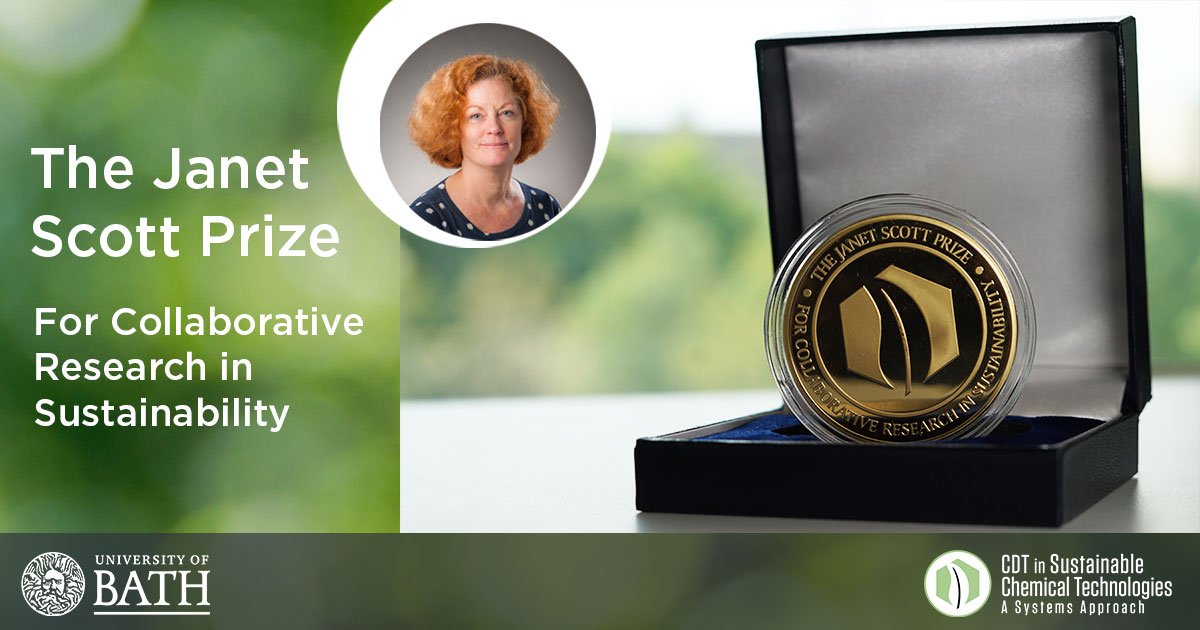
Applications Open for The Janet Scott Prize for Collaborative Research in Sustainability
The Janet Scott Prize for Collaborative Research in Sustainability will once again be awarded at this year’s Summer Showcase. Established in memory of Professor Janet Scott, the
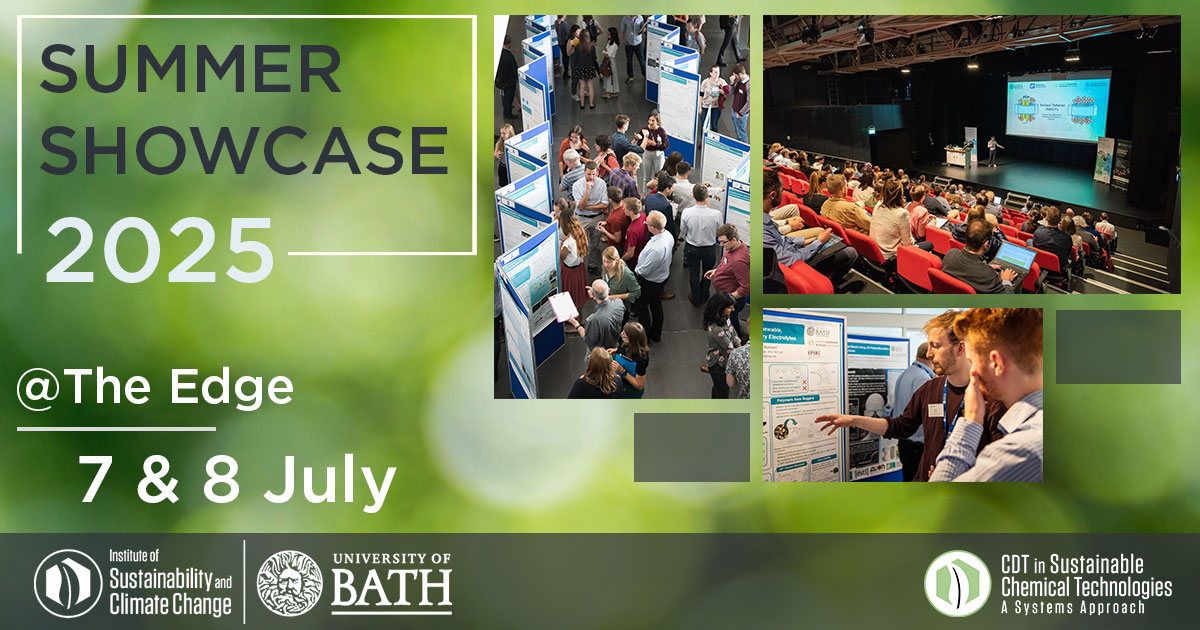
Summer Showcase 2025
The 2025 Summer Showcase brought together a dynamic mix of researchers, industry innovators and policy experts to explore the future of sustainability. Co-hosted by the newly launc
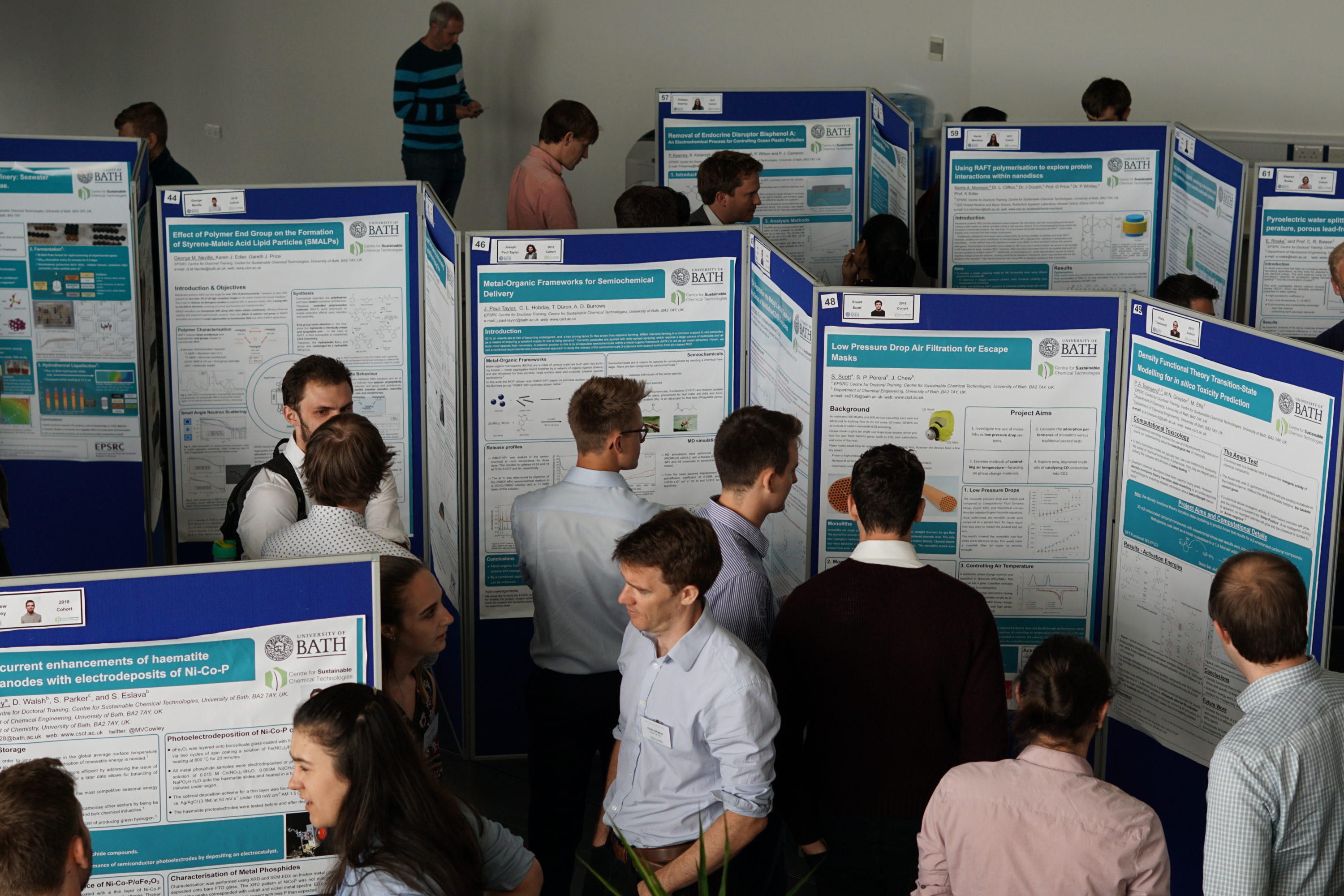
CSCT Summer Showcase 2022
2022 CSCT Summer Showcase We are excited to share that registration for our annual event is now open and our preliminary programme is ready! SEE THE PROGRAMME We would love to invi
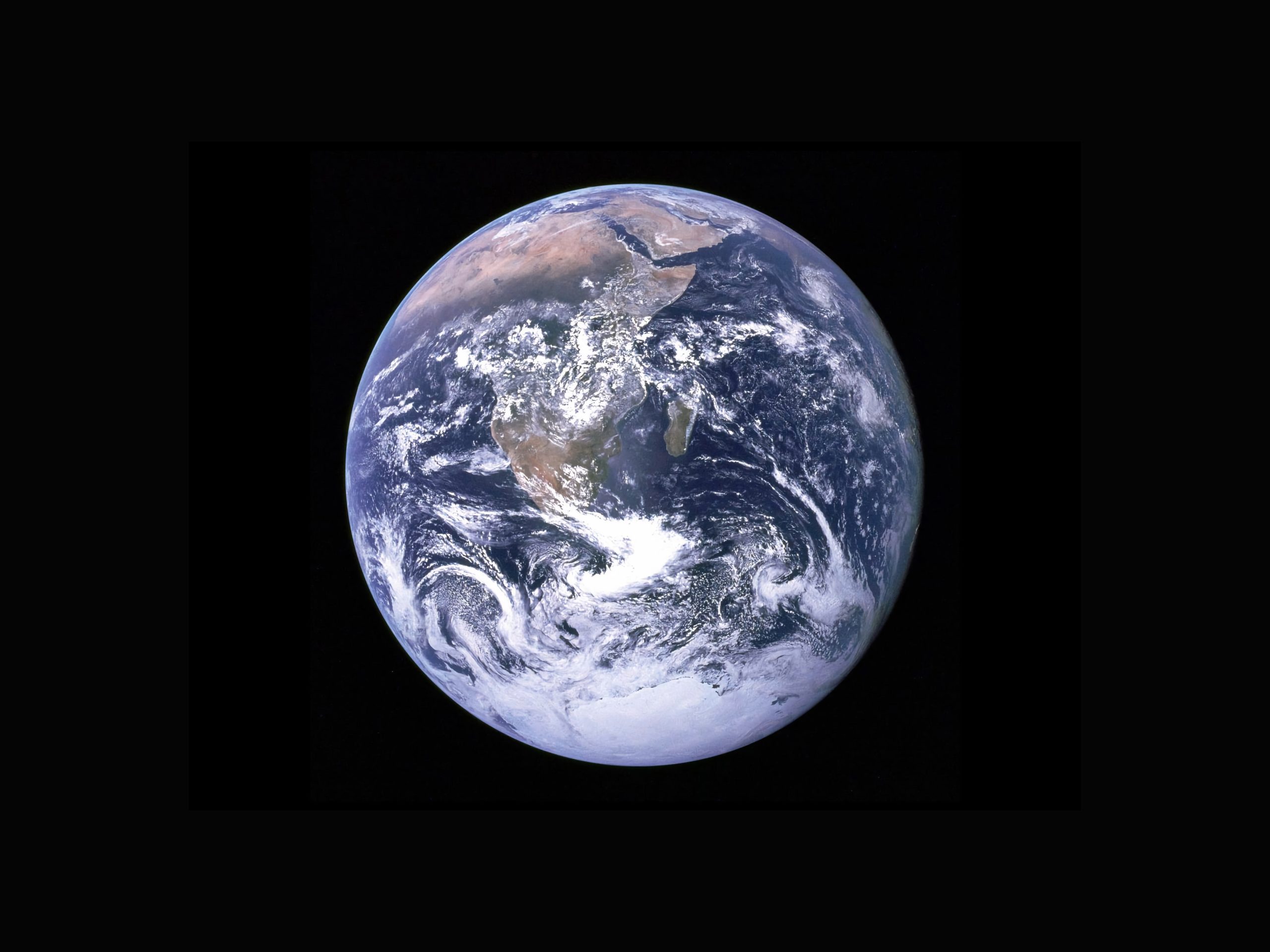
Race to Zero – global views on the highest-stake race
Shortly, international leaders will meet at COP26 to accelerate their plans for net zero carbon emissions by 2050. It’s an ambitious goal that brings with it many challenges. How
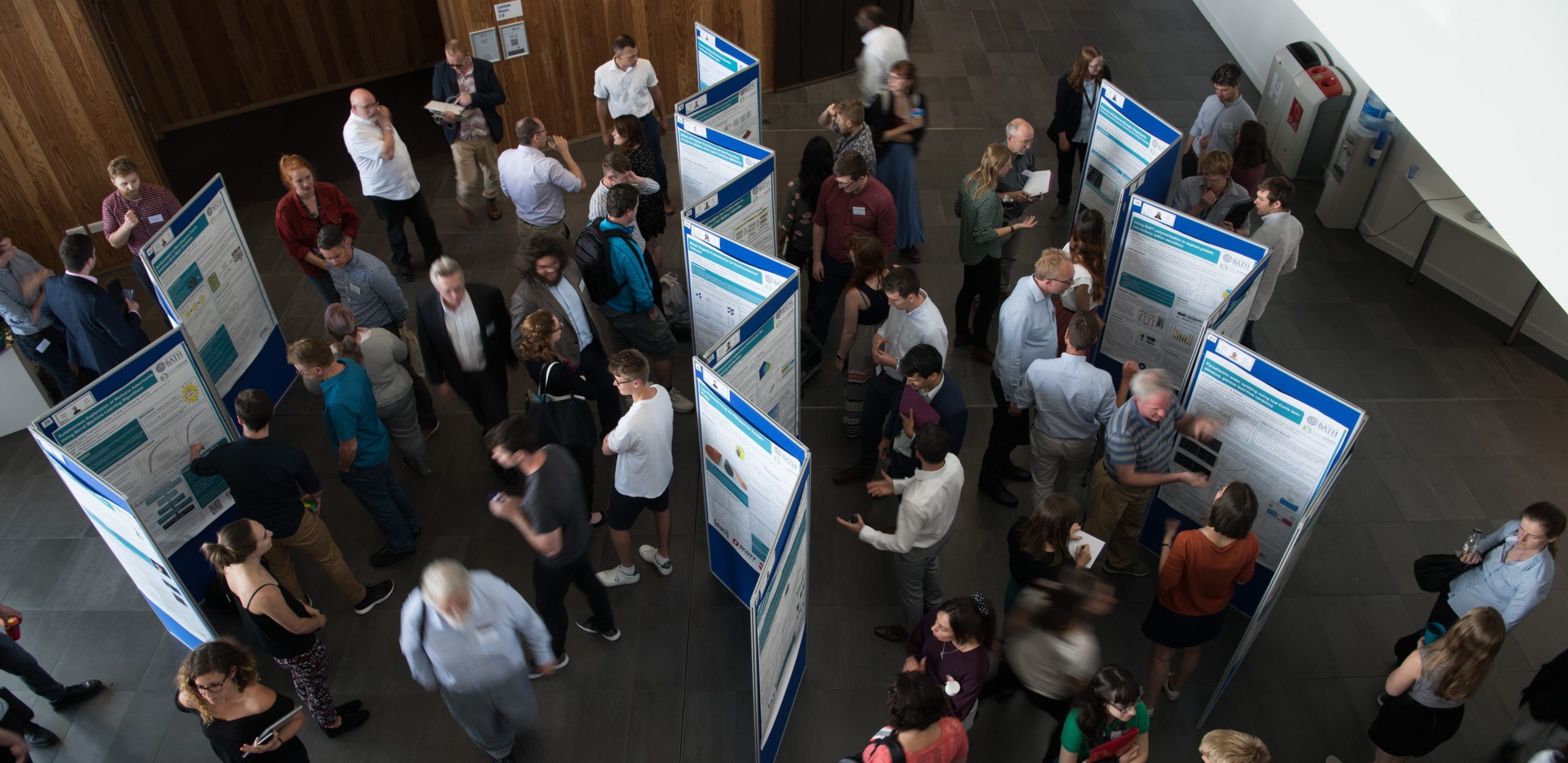
CSCT Summer Showcase 2021 – Race to Zero
2021 CSCT Summer Showcase – Race to Zero The Centre for Sustainable and Circular Technologies is delighted to invite you to its 2021 Summer Showcase: Race to Zero When: 7 – 9 J
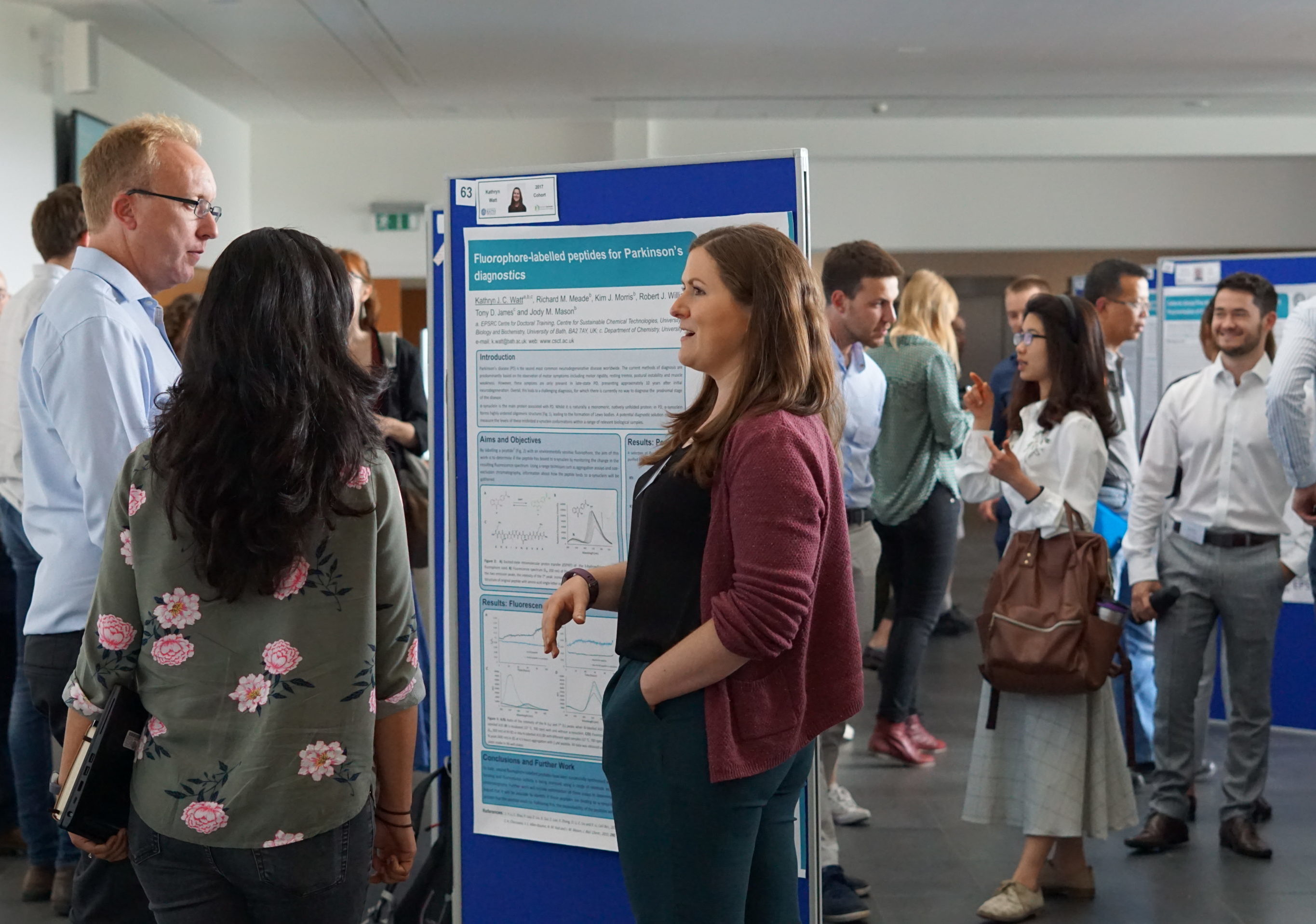
CSCT Winter Showcase 2020
We are excited to announce that the Programme for our ‘CSCT Winter Showcase: Changing the World Through Sustainable Technologies — A Vision for 2050’ is now ready, an
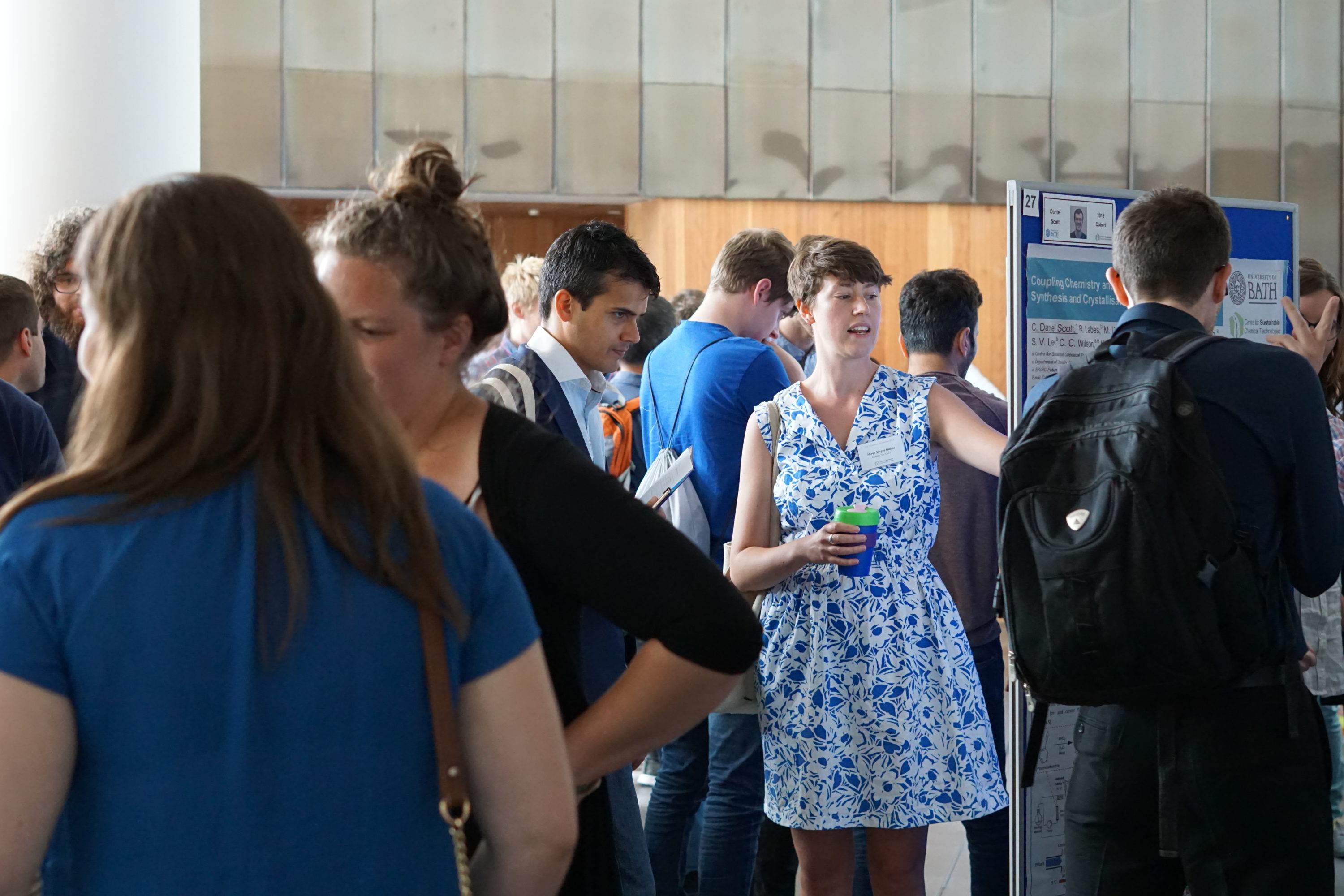
Over 200 celebrate sustainable research and collaboration in 2019 CSCT Summer Showcase
Over the first two days of July 2019, the CSCT Summer Showcase featured talks, student presentations, interactive discussions, a networking event and a dinner reception. Bringing t



