
Culture Shock and Chemistry Trepidation (CSCT)
It was cold, drizzly, and almost midnight when the taxi driver took my luggage to the boot outside Carpenter House. Hopping into the front passenger seat, I was startled to realise it was the driver’s seat.
I had been hearing about the University of Bath for some time. I applied to a different programme before and was invited to an interview, but unfortunately, no offer came out of it. I then applied to the CDT in Sustainable Chemical Technologies (CSCT), got another interview, and finally received an offer. Apparently, the first attempt was just a trailer, and CSCT was the actual Final Destination.
I have always been nervous when speaking because of stage fright, but both interviews never made me feel less or incompetent. Instead, they made me feel that I could belong there, even with my nervousness. And that was when I knew I would love Bath. CSCT offers a programme that perfectly aligns with my research interests in sustainability and working towards net zero. Having an academic opportunity in a different country was something I looked forward to, and in an unexpected way, CSCT gave me that opportunity. So, here I am, trading the familiar for the unfamiliar, ready to see where this journey takes me.
Getting the offer was one thing, but arriving in Bath was a different story. Becoming an international student requires perseverance, as the application, interview, and offer acceptance were just the beginning. Documents required before the visa application were stressful. You need a passport that meets the visa requirements. If the programme falls under the Academic Technology Approval Scheme (ATAS), an ATAS clearance certificate is needed before the university can issue a Confirmation of Acceptance for Studies (CAS). ATAS clearance is an uncertain variable, which can be difficult to predict.
Once approved, only then could the visa application process begin. The visa was less worrying, as long as the tuberculosis test was negative, CAS and ATAS were issued, and the Immigration Health Surcharge (IHS) and visa processing fee were successfully paid. Waiting had me on tenterhooks, but once the results were out, the excitement finally arrived. But just when I thought I’d had enough of paperwork, looking for accommodation turned out to be tougher than the PhD and visa applications. Aside from meeting the financial requirements, letting agents looked into my personal background and asked for a guarantor, like taking out a loan.
Arriving on campus and looking at my schedule, I could finally feel like an official student at the University of Bath. But why did my schedule seem strange? I was expecting to have Systems Thinking 1, 2, and 3, and Chemistry classes each week, running from September to December. Well, that is not how it works here. I am taking Systems Thinking 1 and Chemistry for about a month. Then next month, Systems Thinking 2, and finally Systems Thinking 3 by December.
Of course, I expected academic challenges, but I did not expect to question my relationship with chemistry again. Coming from a chemical engineering background, I thought the fundamentals of chemistry I had learned would make my life easier. Well, I was totally wrong. I finally got to meet the people who made a life out of chemistry and could explain why chemistry is such a hard nut to crack. Apparently, there is still so much to learn, and my previous chemistry knowledge was just an appetiser. The main course has arrived, and it is quite a delicacy. I guess I need a little more time to savour Chemistry.
Arriving in Bath as an international student is both exciting and challenging. I have met people from different backgrounds, speaking with a variety of English accents and slang. This is one of the challenging parts: communication. Even when you understand English and are well-versed in it, hearing how people actually use English can be overwhelming. I hope asymmetric intelligibility is just a phase that will improve with time, preferably as soon as possible.
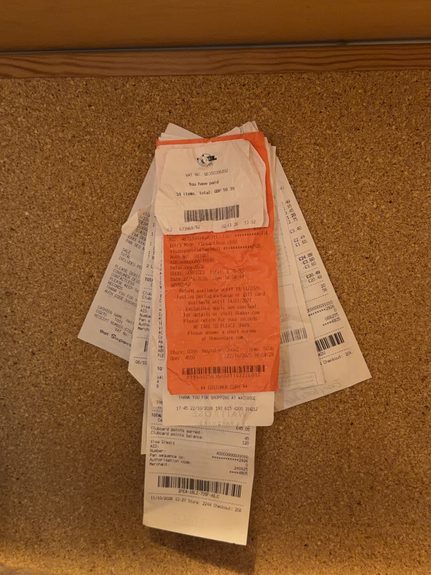
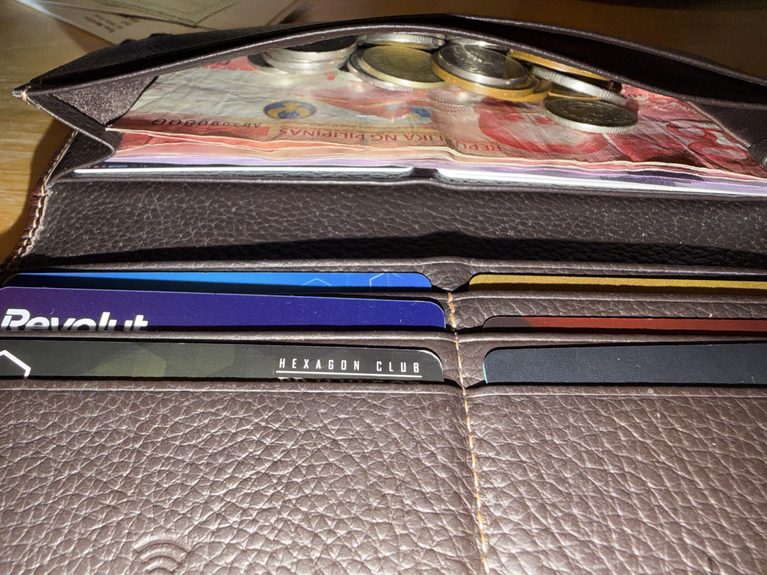
I came to the UK as a fully grown adult, only to be asked for an ID when buying a kitchen knife and spirit drinks, and looking for rubbing alcohol (which I do not think exists here). I was losing hair and thought I was going bald. What exactly do I need the ID for? Going back to shopping, in most Asian malls or shopping centres, I could get groceries, clothes, kitchenware, electronics, and probably dinner and a haircut in one mall. In the UK, however, buying a few things is like treasure hunting. Groceries? This store. Kitchen knife? Voila! I walked to a shop a few blocks away.
But not everything here is a quest. The weather, public transport, and traffic, for example. I could say the rain here is cute. It is a few drops and gone. I have not bought an umbrella so far, and at this rate, I might finish my programme without needing one. One last kind of culture shock: transport and traffic are surprisingly organised here. In my home country, travelling can feel like a full-day expedition to a mountain summit. By the time you reach the peak, you deserve a medal, a fully loaded meal, and a week of recovery.
And that is how I began in Bath!