

Supervisor Spotlight: Dr Melusine Pigeon
Modern sustainability depends on electronics. From renewable energy systems to smart devices and electric vehicles, electronic technologies underpin many of the solutions shaping a more sustainable future.
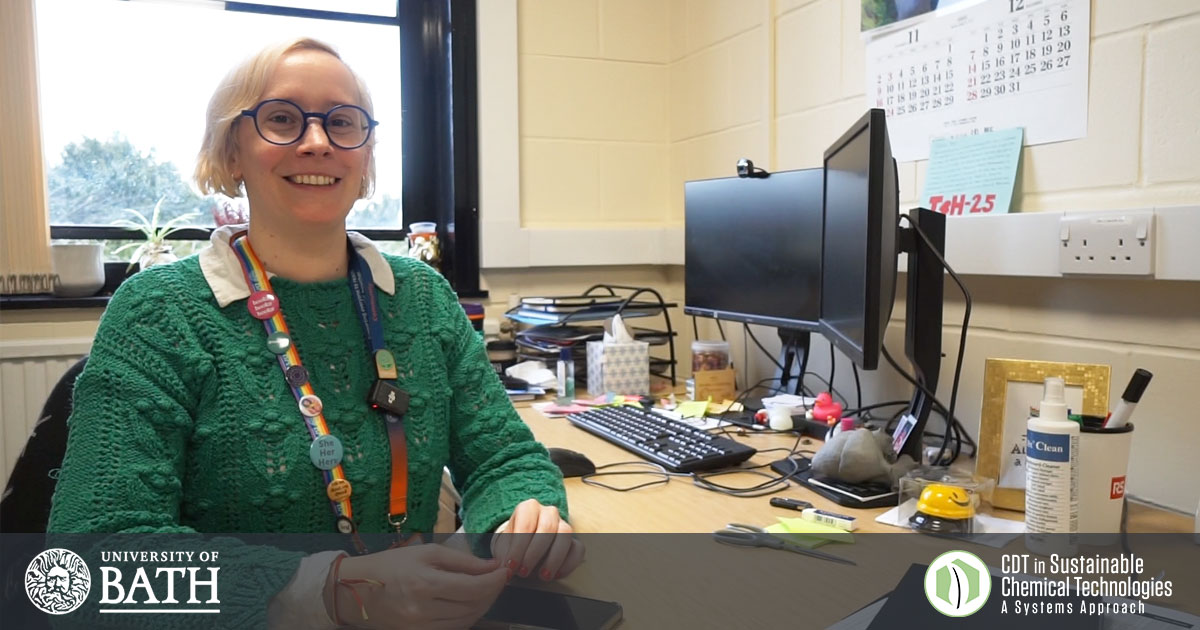
Dr Melusine Pigeon, a new supervisor with the CDT for Sustainable Chemical Technologies (CSCT) and a Senior Lecturer in the Department of Electronic & Electrical Engineering at the University of Bath, is exploring how electronic technologies can both enable sustainability and become more sustainable themselves.
Her work focuses on understanding the environmental footprint of electronic devices, from the smallest components on a circuit board to the global lifecycle of the technologies we use every day.
Two sides of sustainability in electronics
According to Dr Pigeon, sustainability in electronic engineering has two distinct dimensions.
The first is how electronic technologies help society operate more sustainably. Devices that monitor energy use, control heating systems, or enable renewable energy infrastructure all contribute to reducing environmental impact.

Many of the sustainability improvements we’ve made in the past decades come from replacing fossil fuel systems with electrical ones.
Simple examples can be found in everyday life, from electric kettles replacing gas burners, to smart thermostats and smart meters that optimise energy consumption in homes. Larger systems, such as renewable energy generation and electric vehicles, also depend heavily on electronics.
Solar panels, wind turbines, smart energy systems — none of these work without electronics. They are essential technologies for decarbonisation.

But there is another side to the story.
The electronic devices enabling these sustainability gains are not always designed with sustainability in mind.
The hidden challenge of electronic waste
Electronic waste, often called e-waste, is one of the fastest-growing waste streams in the world.
Global e-waste reached around 62 billion kilograms in 2022 and is projected to rise to 82 billion kilograms by 2030. Yet only about one-fifth of this waste is formally recycled, meaning most discarded electronics are not properly recovered.
Electronic technologies are often seen as environmentally friendly alternatives to fossil-fuel systems. However, the sustainability of the devices themselves is less frequently considered.
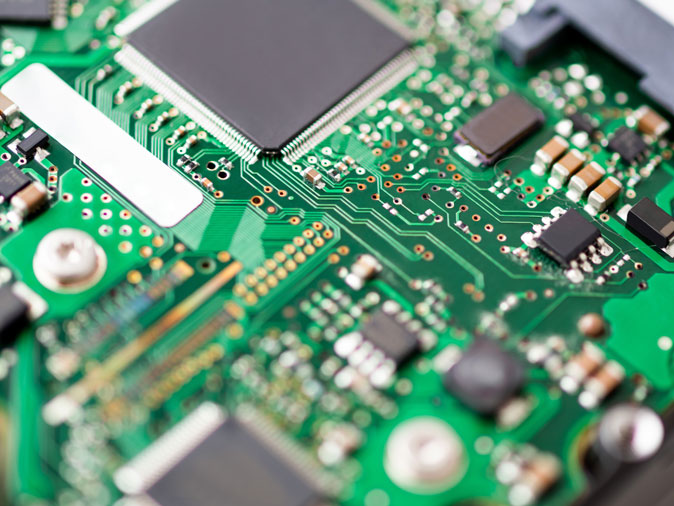
The technology we use to build printed circuit boards is essentially the same process we’ve used for the last 60 years.
Printed circuit boards (PCBs) form the foundation of almost every electronic device, supporting the components that allow modern technologies to function. Despite enormous advances in computing power and device miniaturisation, the basic manufacturing approach behind these boards has changed very little.
At the same time, devices such as smartphones have become increasingly compact and tightly integrated. Components are layered and packed together at extremely small scales, which makes separating materials and recovering them at the end of a product’s life far more difficult.
Quantifying the footprint of electronics
Dr Pigeon’s research focuses on a deceptively simple question:
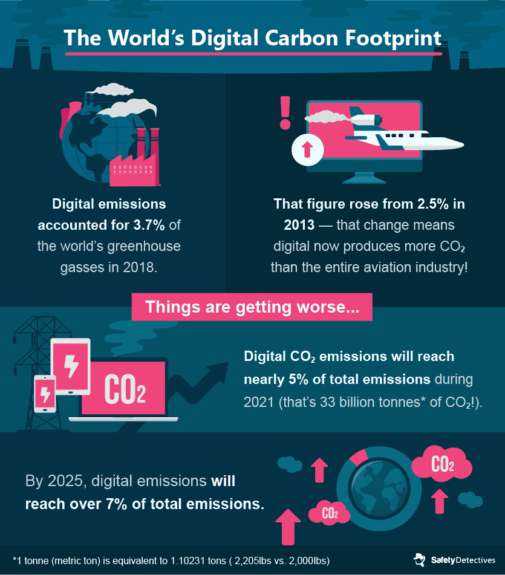
Despite the central role electronics play in modern technology, the environmental impact of many basic components remains poorly understood.
We use electronic components in every device, but we don’t actually know the carbon footprint of producing them.
Her work aims to quantify the CO₂ footprint of electronic components, helping researchers and industry better understand the environmental cost of electronic manufacturing. By identifying the emissions associated with individual components, the research begins to build a clearer picture of the hidden environmental impact behind everyday devices.
The work also considers another sustainability metric that receives far less attention. Water use in manufacturing processes can be substantial, so the research is also examining the water footprint of electronic devices and the resources required to produce them.
Electronic technologies are part of a complex global supply chain. Materials used in devices may be extracted in Africa or South America, refined in another country, manufactured elsewhere, and finally assembled before being sold worldwide.
At the end of a product’s life, discarded electronics may travel across borders once again. This movement of waste between countries, known as transboundary e-waste, reflects the global nature of the electronics industry and the challenges involved in managing its environmental impact.
In many regions valuable metals such as gold, copper and silver are recovered from discarded devices. However, informal recycling methods can involve burning components or breaking them apart without proper controls, releasing toxic fumes and contaminating soil and water systems.
Understanding these environmental and social impacts requires collaboration across disciplines, bringing together expertise from engineering, materials science and environmental research.
Interdisciplinary collaboration and student research
Addressing the environmental impact of electronics requires expertise from multiple fields, Dr Pigeon’s research brings together colleagues from several departments at the University of Bath, combining perspectives from electronic engineering, chemical engineering and civil engineering.
Chemical engineers contribute expertise on materials and chemical processes, while civil and environmental engineers investigate how pollutants from electronic waste may affect water systems. Together, these collaborations help examine the full lifecycle of electronic devices, from the extraction of raw materials and manufacturing through to disposal and recycling.
Students play an important role in this work. Dr Pigeon currently supervises a CDT student from a chemistry background who is studying the full lifecycle assessment of smartphones, analysing both their carbon and water footprints.
That interdisciplinary perspective is really valuable. Students bring different ways of thinking about the problem.
The exchange of knowledge works both ways. Students often introduce new tools and approaches, such as lifecycle assessment software, which help expand the scope of the research and open up new ways of analysing the sustainability of electronic technologies.
Designing the next generation of sustainable electronics
Looking ahead, Dr Pigeon believes electronic engineering will continue to play a crucial role in global sustainability efforts. However, the field must evolve beyond technologies that simply enable sustainability toward electronics that are designed to be sustainable themselves.
This means rethinking how devices are created from the start. Products should be easier to repair, reuse and recycle, allowing valuable materials to remain in circulation rather than becoming waste.
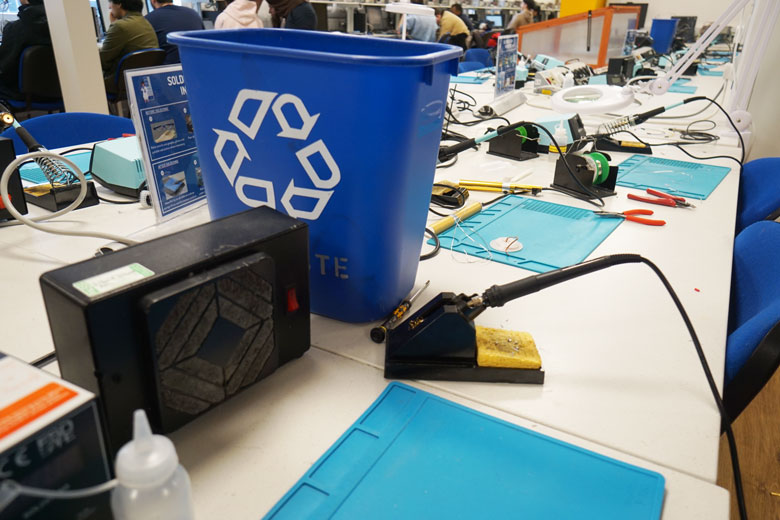
We need to change how we think about design. From the beginning, we should consider how a device can be reused, repaired or recycled.
Achieving this shift will require collaboration between researchers, industry and policymakers. As electronic technologies continue to expand across every part of society, designing them with sustainability in mind will become increasingly important.
For students interested in tackling these challenges, the University of Bath offers a unique interdisciplinary environment. Through the CSCT programme, researchers work across engineering, chemistry and environmental science to understand the full lifecycle of modern technologies and develop solutions for a more sustainable future.

Outside her research and teaching, Dr Pigeon volunteers with Share and Repair, a community repair group in Bath where volunteers help people fix broken electronics and household devices rather than replacing them. From faulty cables to damaged phones, the aim is simple: keep technology in use for longer and reduce unnecessary waste.
Follow us