



Science,
Communication &
Collaboration
Research fundamentally is about having the skills and knowledge to take very complicated things and turn them into ideas that we can communicate, that we can engage with other sectors, people and audiences.
Associate Pro-Vice Chancellor Research
Why the showcase matters
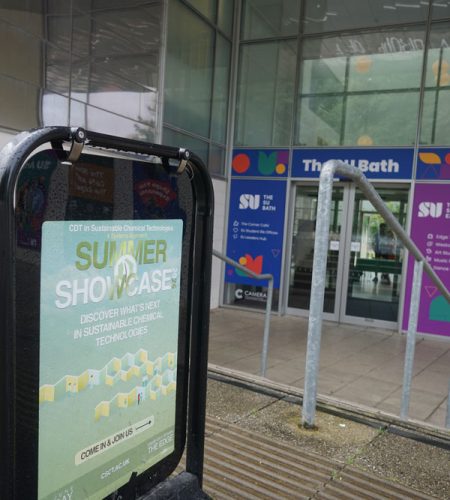
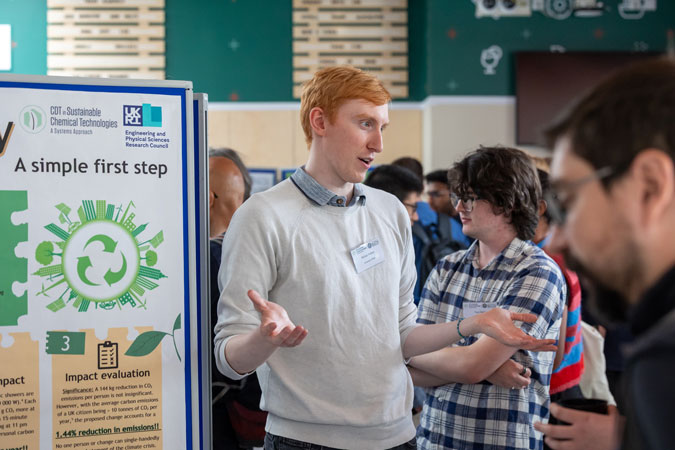
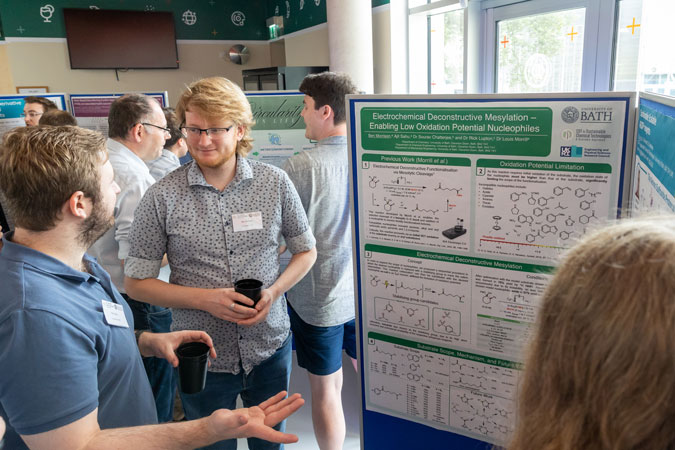
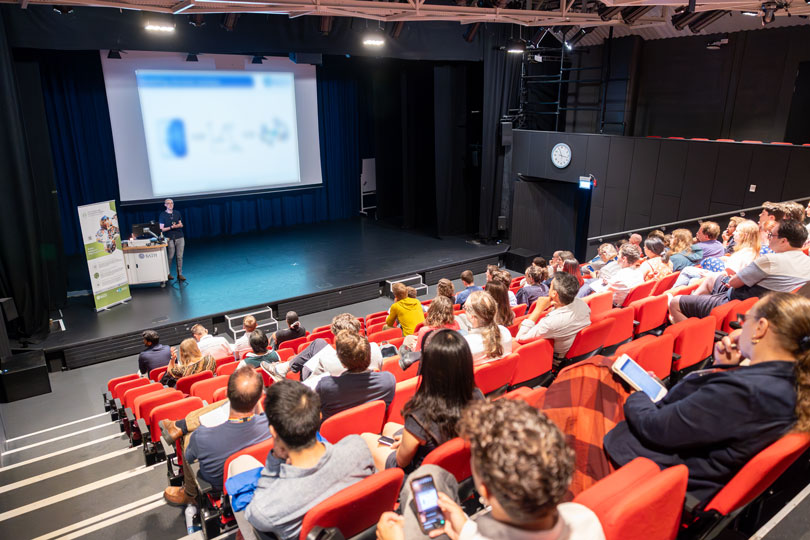
For one day each year, researchers, industry partners, alumni and friends of the CSCT come together to share the latest advances in sustainable chemical technologies. New ideas are presented, collaborations are strengthened, and conversations begin that may shape the next generation of research.
But the Summer Showcase is about much more than the science.
It is, above all else, the students’ day.
From shaping the programme to hosting the event, presenting their research and leading discussions, the students are at the heart of everything the Showcase represents. We simply have the privilege of watching them take centre stage.
At the CSCT, we often describe the Showcase as an opportunity to share what’s next in sustainable chemical technologies. That message is important, but it should never overshadow something equally significant: communication.
The ability to communicate research is every bit as important as the research itself.
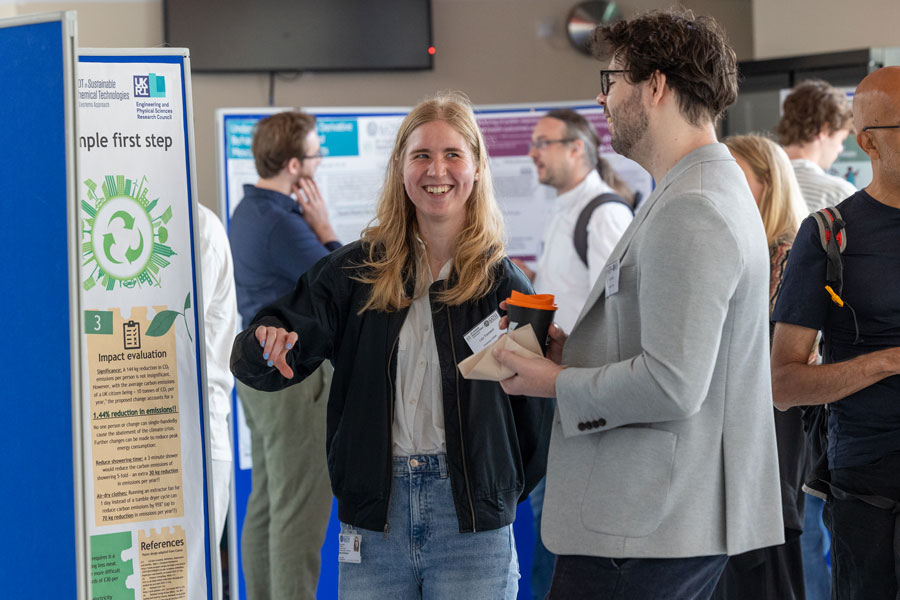
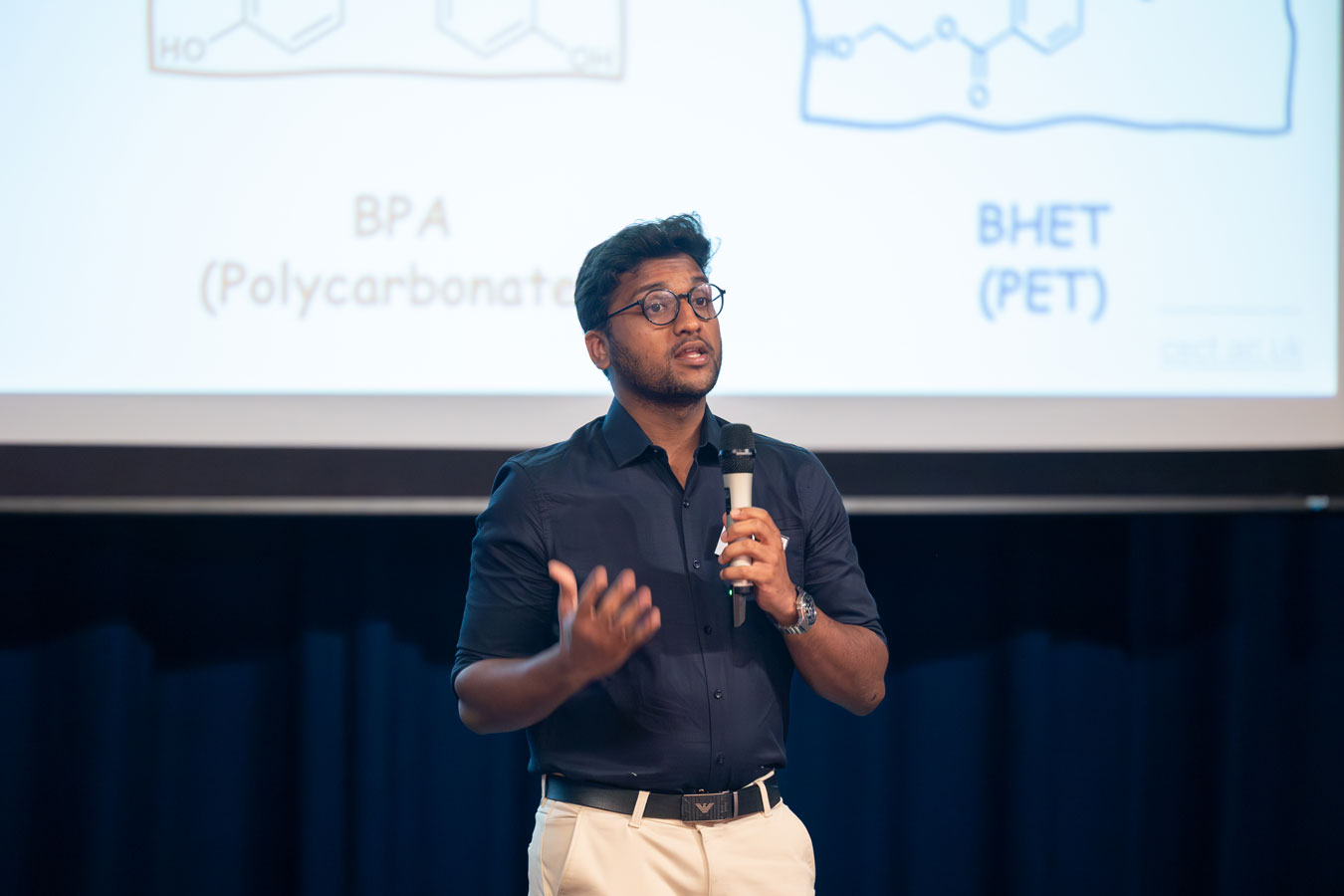
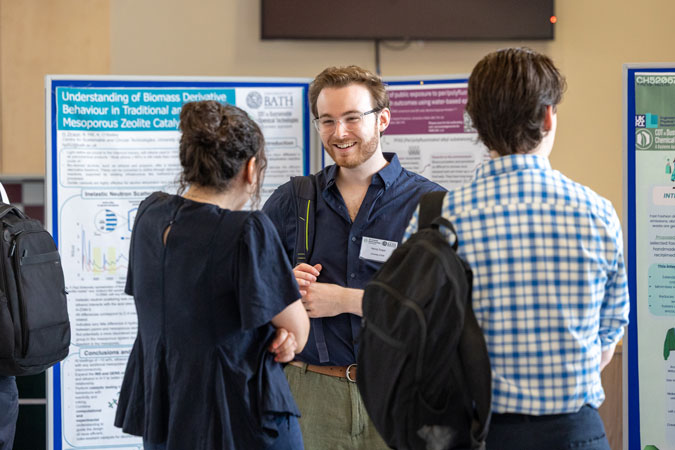
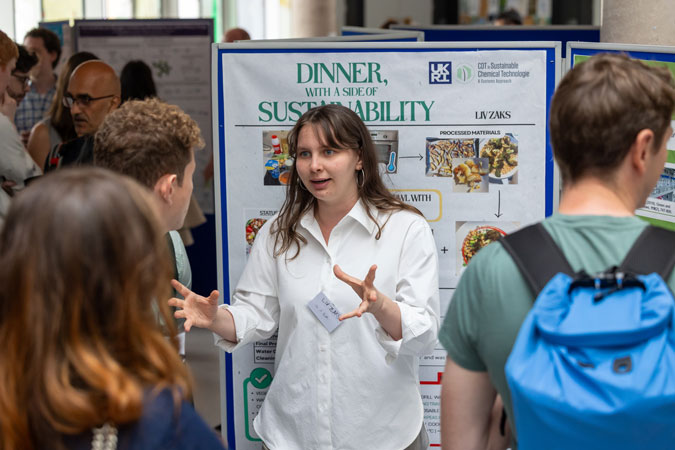
Whether standing on a stage delivering a plenary talk, presenting a poster to a room full of delegates, or explaining years of work in just a few minutes, every speaker is developing a skill that cannot be learned from a textbook. It takes preparation, courage and repetition. Very few people are born confident communicators. Like research itself, communication improves through practice.
What stood out throughout the Showcase was not simply the quality of the science, but the willingness of every presenter to share it with others. Across every talk and poster session, there was a genuine desire to explain ideas clearly, answer questions openly and engage with people from different disciplines. That collaborative spirit lies at the heart of the CSCT.
If you presented this year, you are probably already reflecting on your performance. You’ll remember the moments that went exactly as planned, and perhaps a few that didn’t. That’s natural. Every speaker does it.
From our perspective, however, every presentation made a valuable contribution to the day.
You informed us. You challenged us. You inspired discussion. Most importantly, you communicated your research with enthusiasm and purpose.
For that, we thank you.
You should be immensely proud of what you achieved. More importantly, keep sharing your research, keep developing your voice, and keep building the confidence to stand up and explain why your work matters.
The world needs great scientists.
It also needs great scientific communicators. People who can inspire others with their science.
We’d also like to extend our sincere thanks to our invited speakers, whose expertise, enthusiasm and generosity helped make this year’s Showcase such an inspiring event. From world-leading academics to industry innovators and CSCT alumni, each brought a unique perspective while sharing a common goal: advancing sustainable chemical technologies.
Here’s a summary of each presentation, in order of appearance.
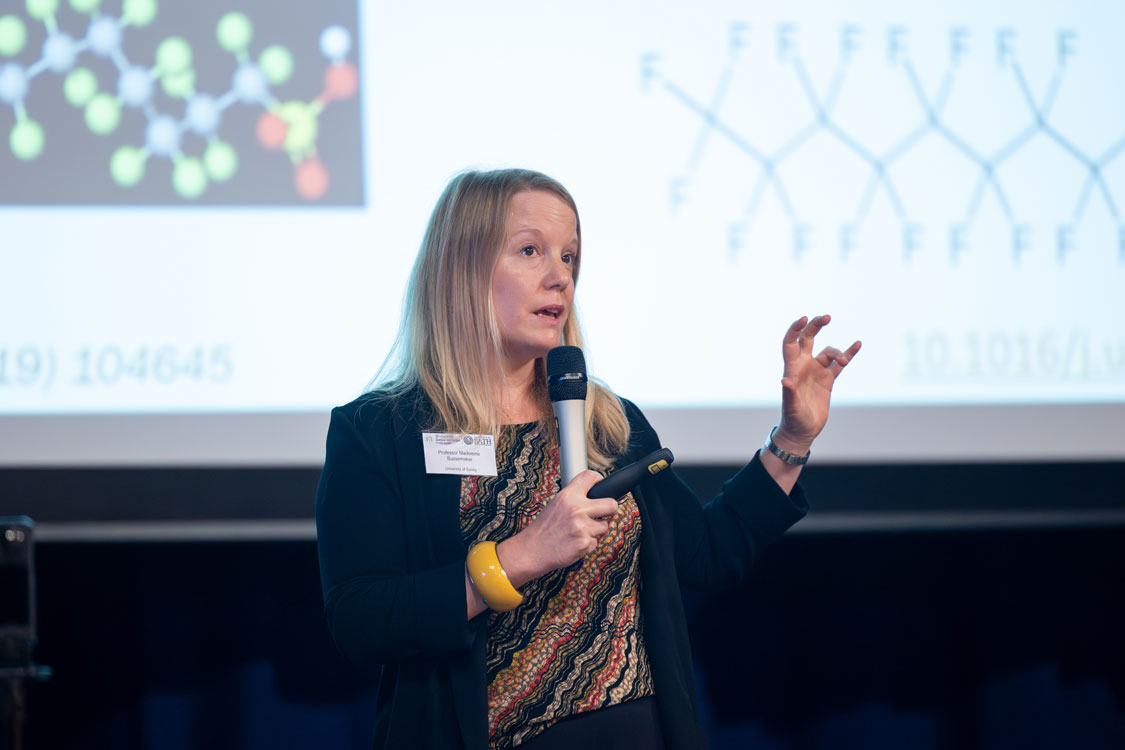
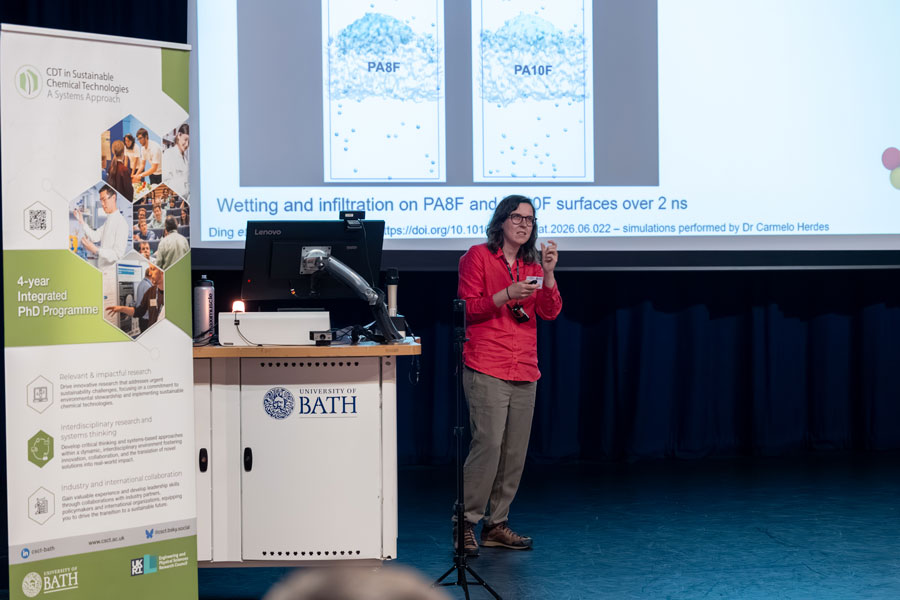
We know it works. The question is how can we make it work in a useful way? The more you understand, the more you can do on an industrial scale.
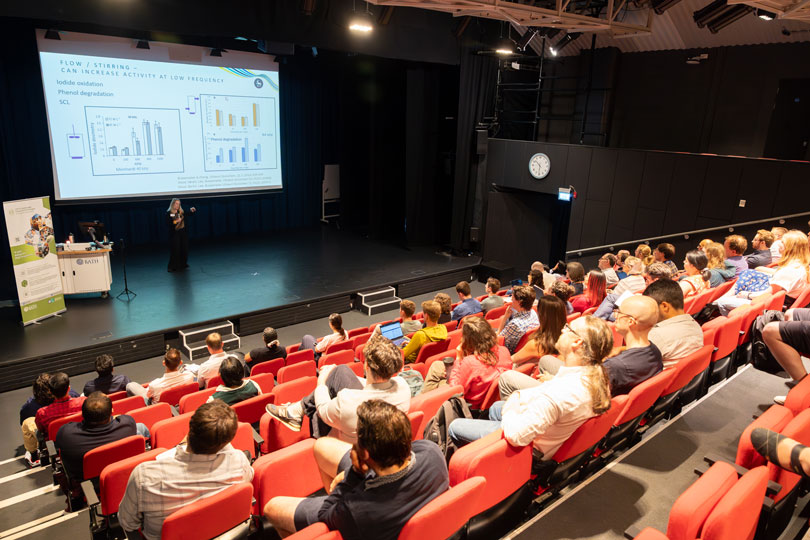
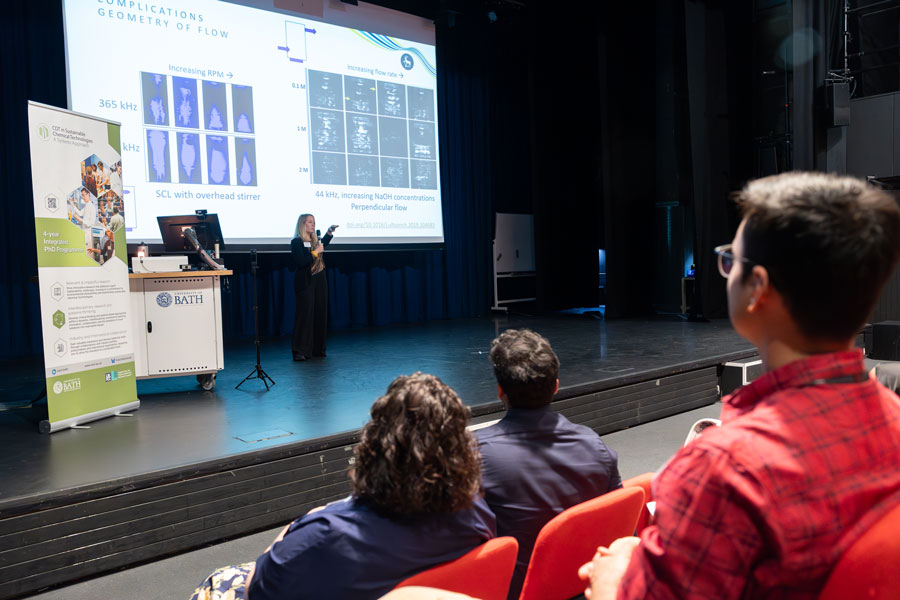
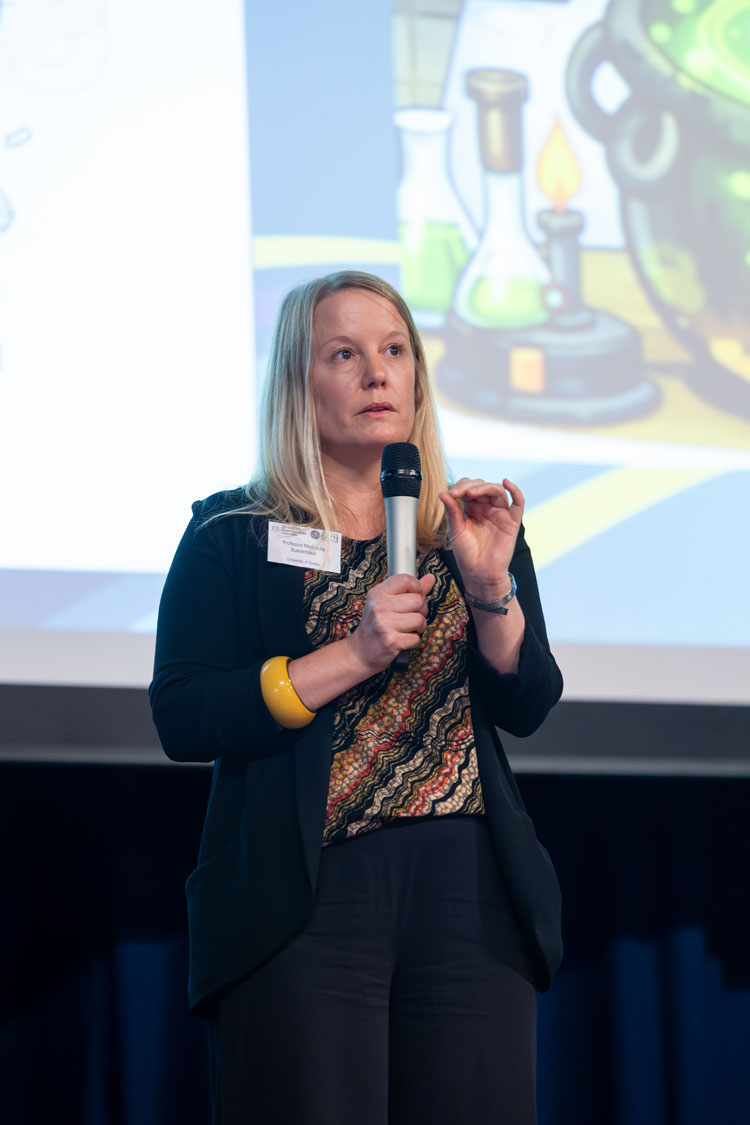
Professor Bussemaker’s research focuses on sonochemistry – using sound waves to create microscopic bubbles that rapidly grow and collapse. Although invisible to the naked eye, these collapsing bubbles briefly generate extreme conditions capable of driving chemical reactions that would otherwise be difficult to achieve.
Professor Bussemaker explained that while sonochemistry has enormous potential, it is far from straightforward. The behaviour of these bubbles depends on factors such as sound frequency, reactor geometry, liquid properties and flow conditions. Small changes to any of these can dramatically alter the chemistry taking place, making the technology surprisingly difficult to predict and scale up. Her group’s research combines detailed experimental studies with machine learning to better understand these complex interactions and help make sonochemical processes more reliable and transferable between different systems.
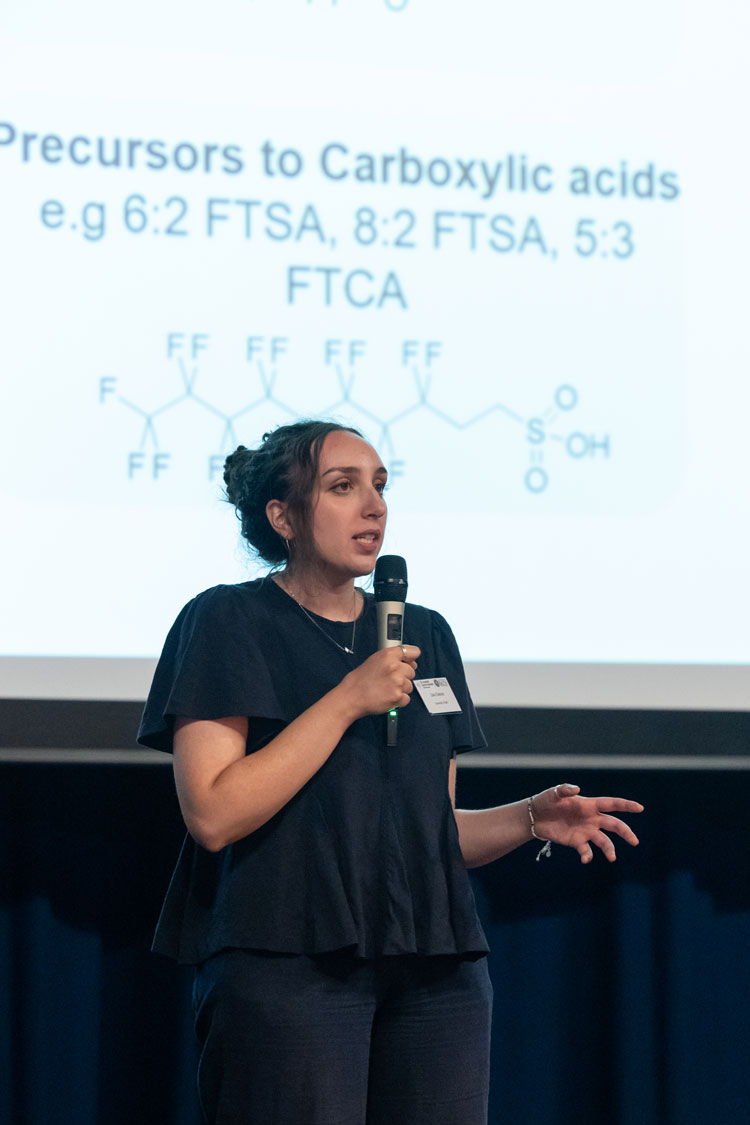
One of the most exciting applications discussed was the treatment of PFAS, often referred to as “forever chemicals”. These highly persistent compounds are found in many everyday products and are increasingly recognised as a significant environmental challenge. Professor Bussemaker outlined how ultrasound-generated cavitation could become part of future treatment systems, helping to break down concentrated PFAS waste into safer products. Rather than presenting sonochemistry as a standalone solution, she highlighted how it could complement existing separation technologies within an integrated treatment process.
Throughout the talk, Professor Bussemaker emphasised that advancing sustainable technologies is not only about discovering new chemistry, but also about understanding the engineering principles needed to make those discoveries practical at real-world scale. It was an engaging overview of how fundamental research, data-driven modelling and environmental applications are coming together to tackle some of the most pressing challenges facing chemical engineering today.
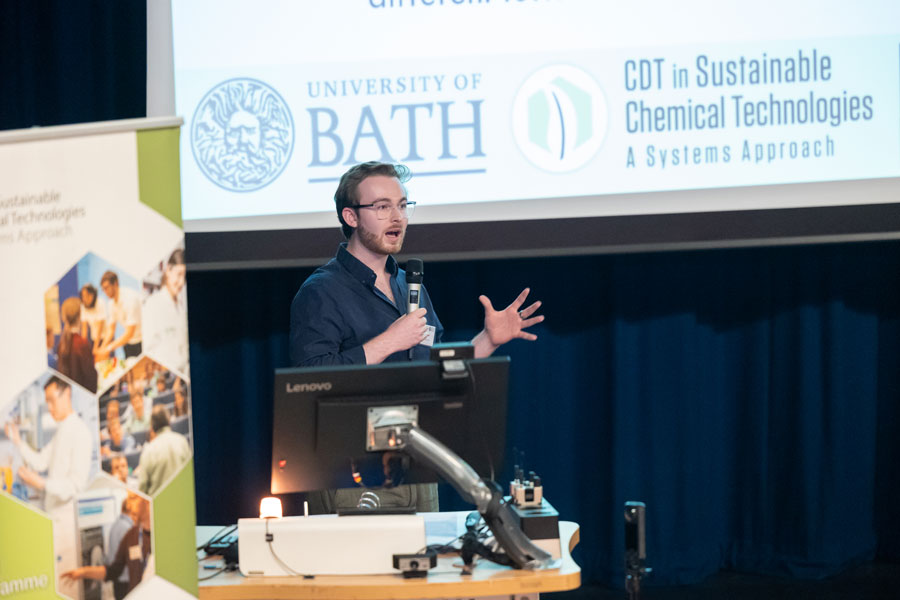
Moments from the talk
Flash Presentations
One minute. One slide. One opportunity to capture an audience.
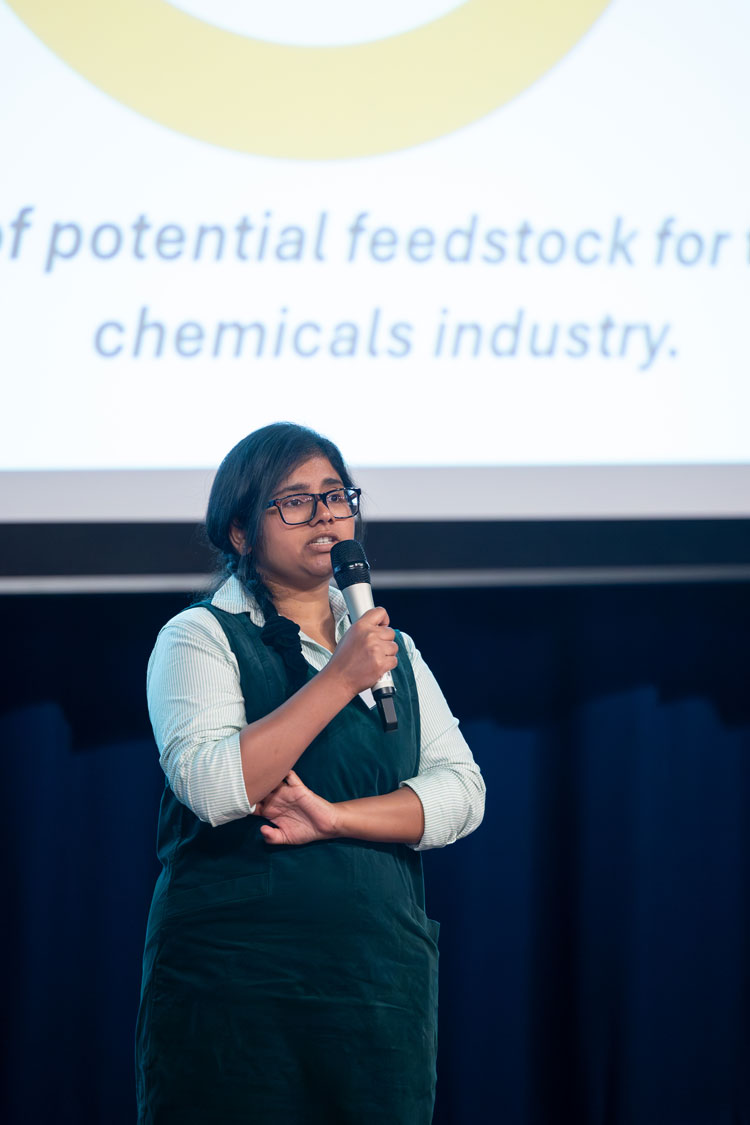
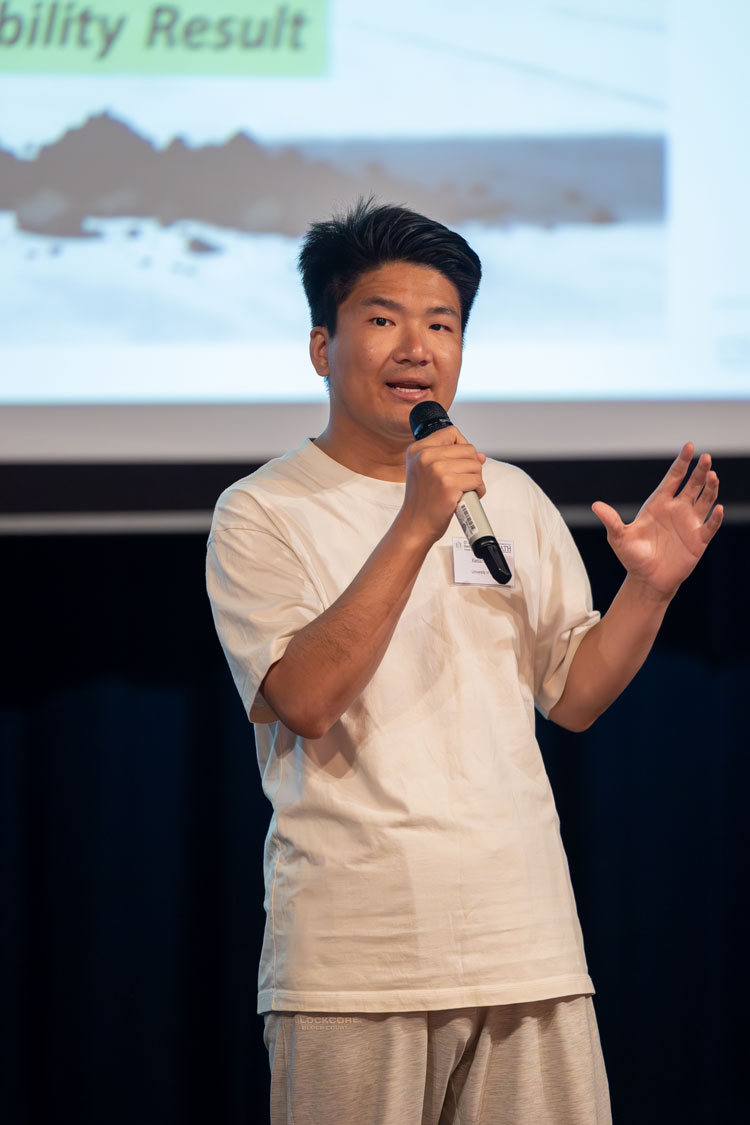
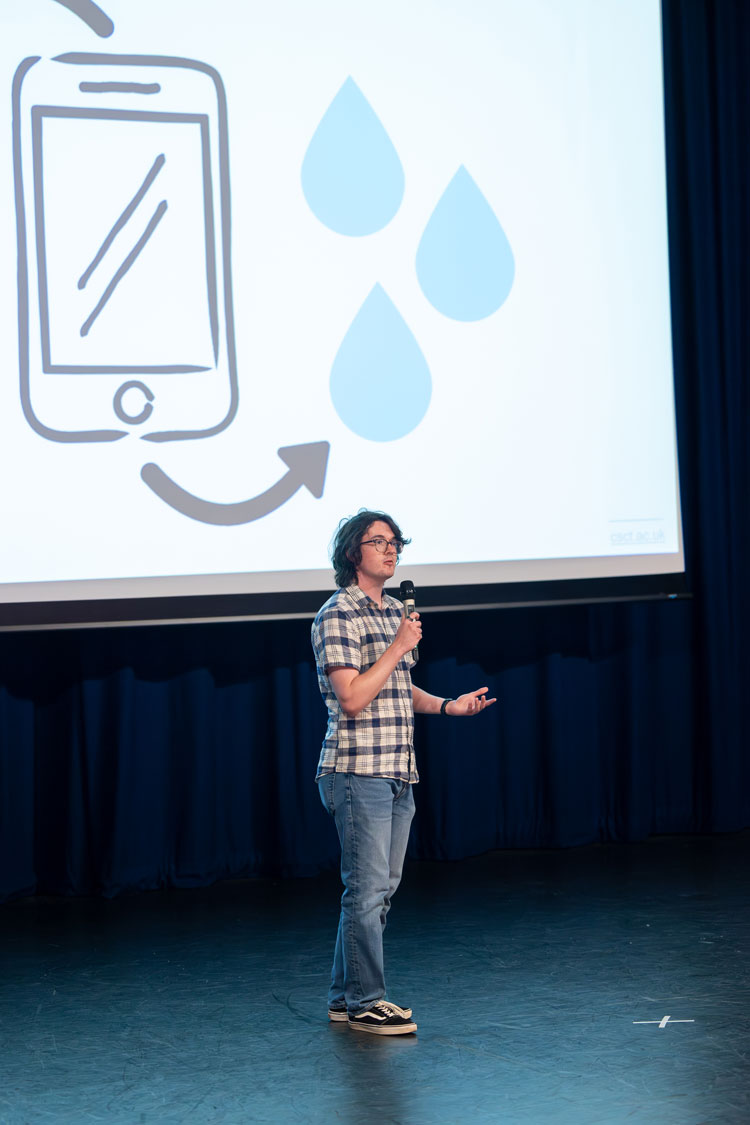
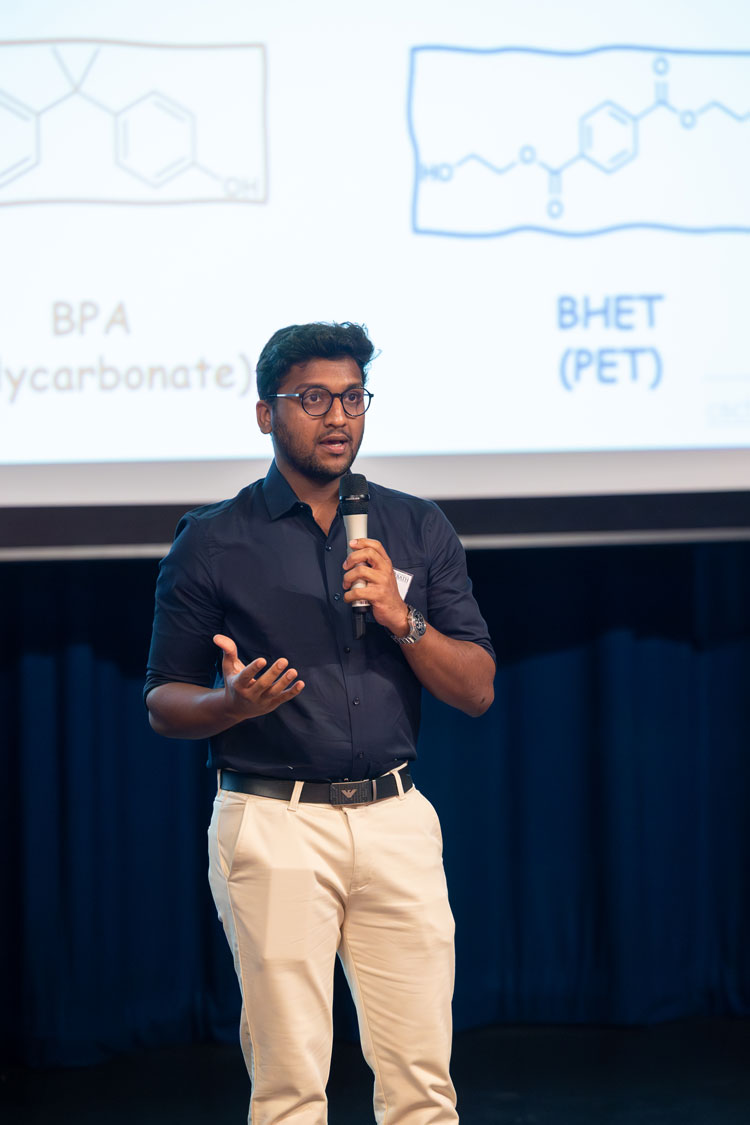
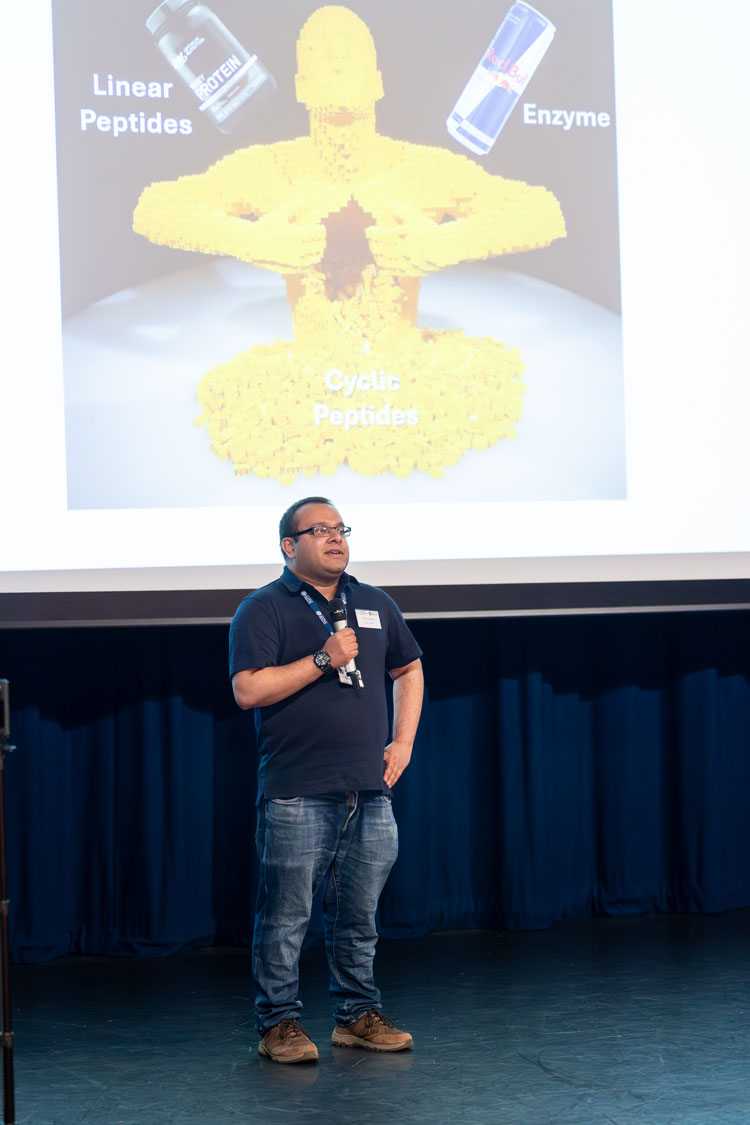
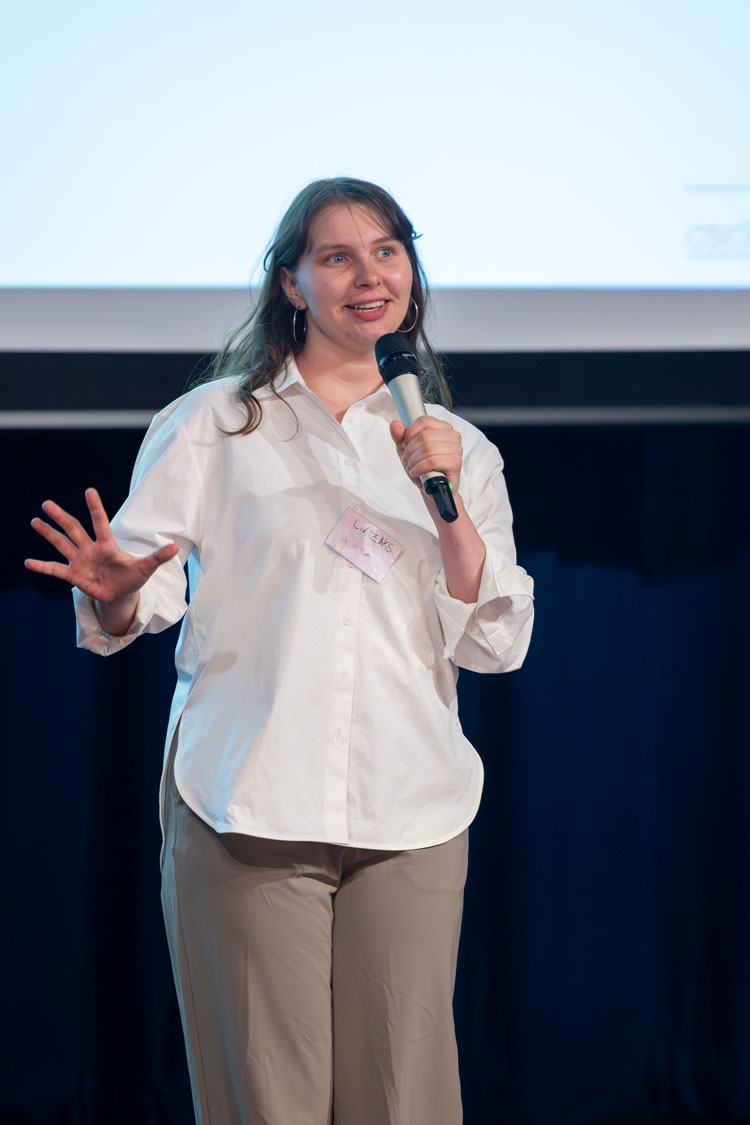
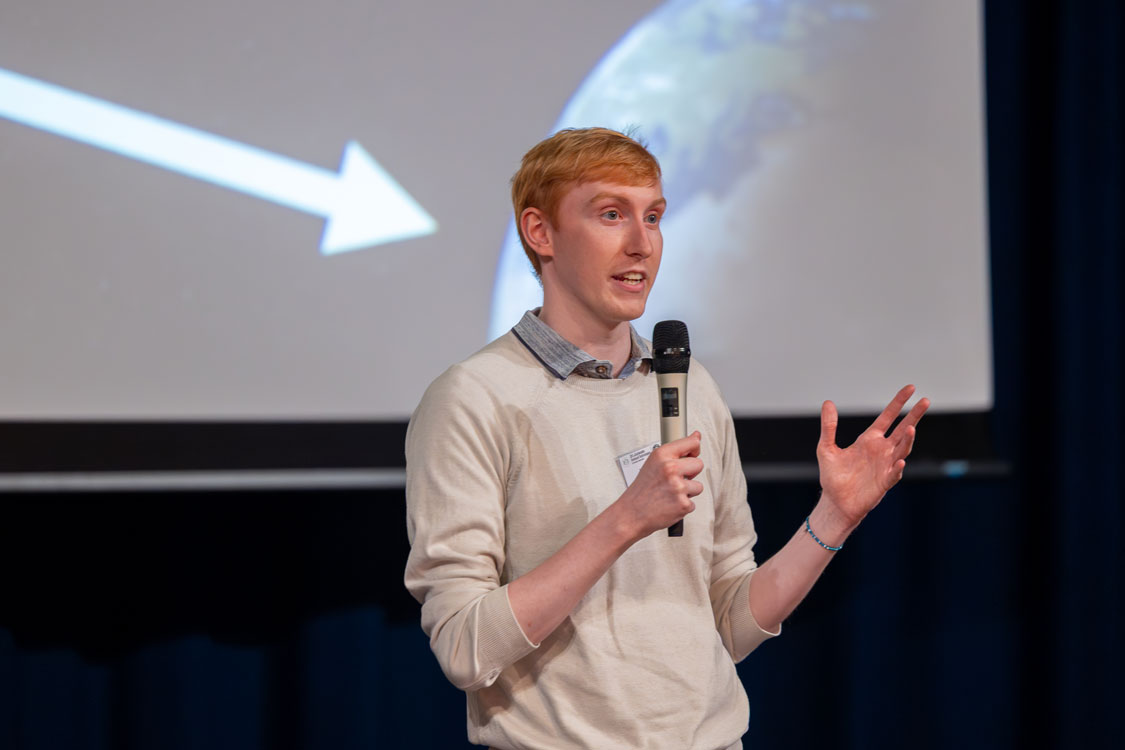
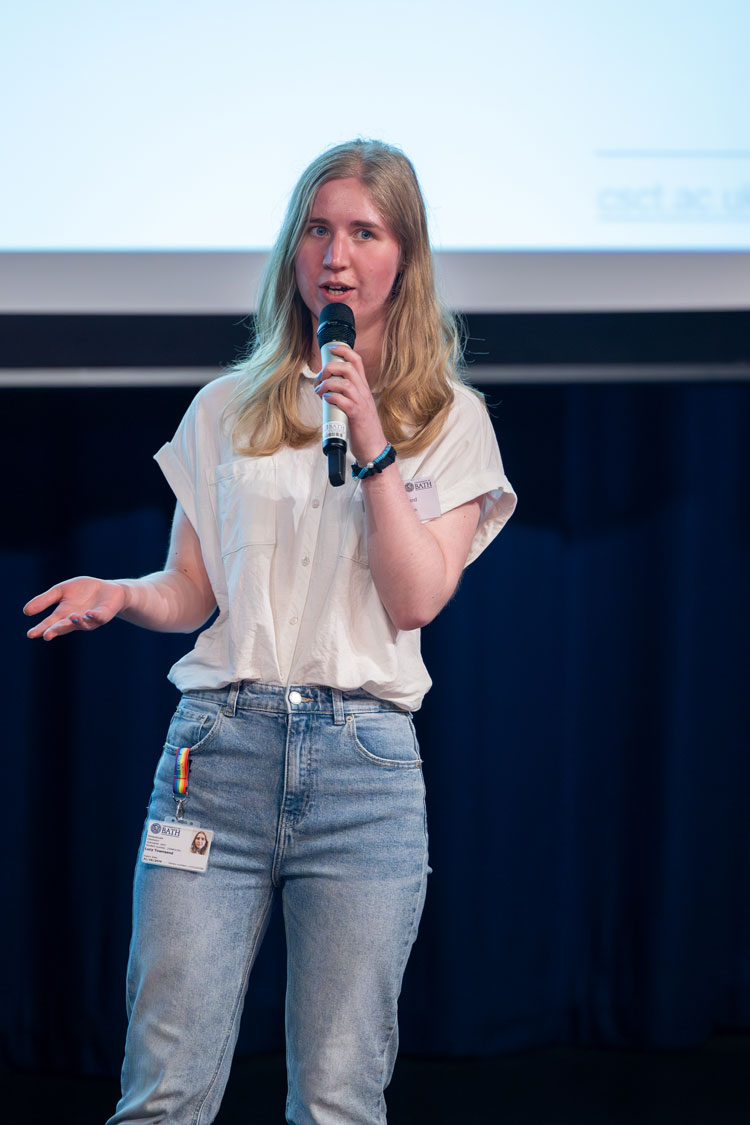
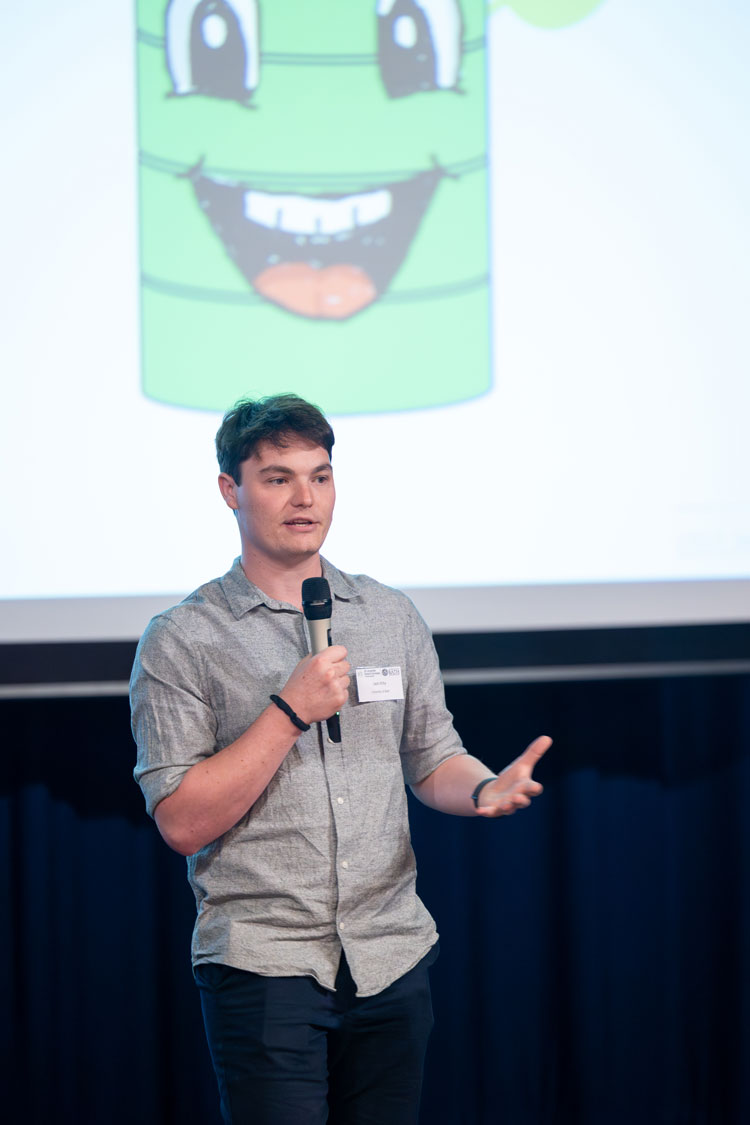
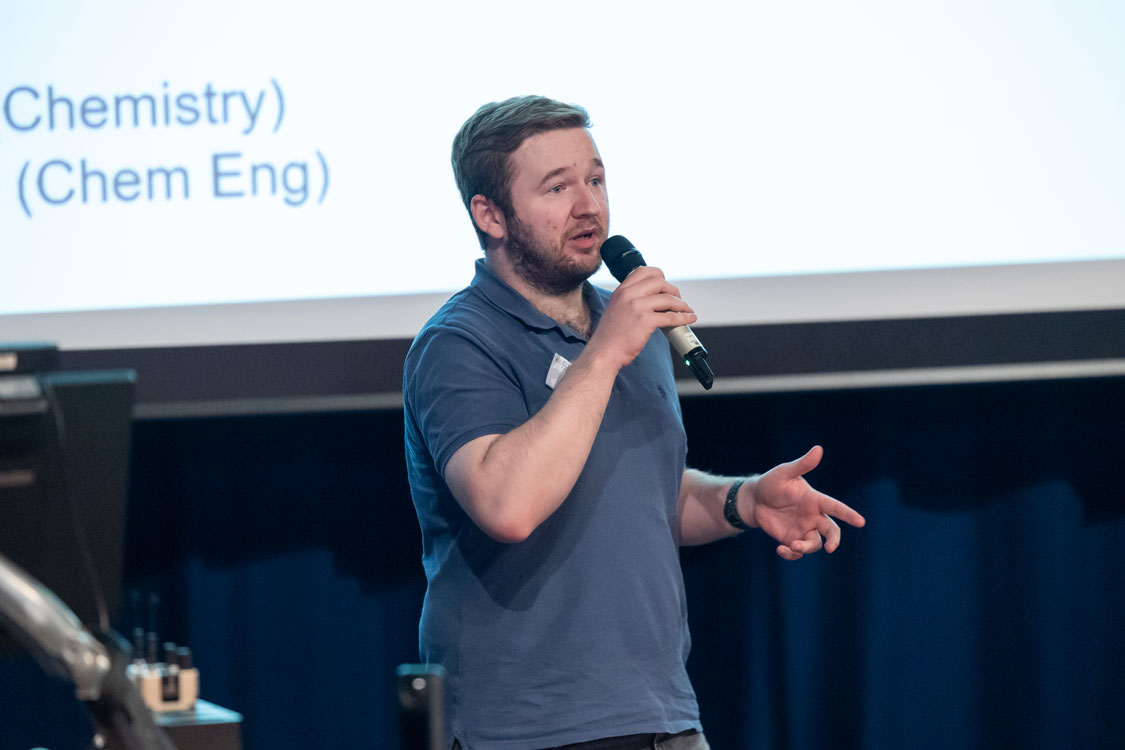
The Flash Presentations challenged our newest doctoral researchers to communicate the essence of their research in just sixty seconds. It is an exercise in clarity as much as confidence, distilling months of scientific thinking into a concise, engaging story that anyone in the room can understand.
Across eleven rapid-fire presentations, the audience was introduced to an impressive breadth of research. Topics ranged from greener methods for chemical synthesis and electrochemical carbon dioxide conversion to safer sodium batteries, chemical recycling of plastics, PFAS removal from water, sustainable electronics, nuclear fusion, life cycle assessment and the development of new medicines.
The variety of subjects highlighted one of the CSCT’s greatest strengths: bringing together researchers from different disciplines to tackle sustainability challenges from multiple perspectives. Although each project addressed a different problem, every speaker shared the same goal of developing cleaner, safer and more sustainable technologies for the future.
Perhaps most impressive was the confidence shown by a cohort only months into their doctoral journeys. Communicating complex science to a broad audience in just one minute is no small task, yet every presenter embraced the challenge with enthusiasm and clarity, providing an exciting glimpse of the research still to come.
Machine learning is very useful to us, but I don't think it's ever going to replace traditional computational methods. The future is traditional methods working alongside machine learning in a synergistic, hybrid approach.
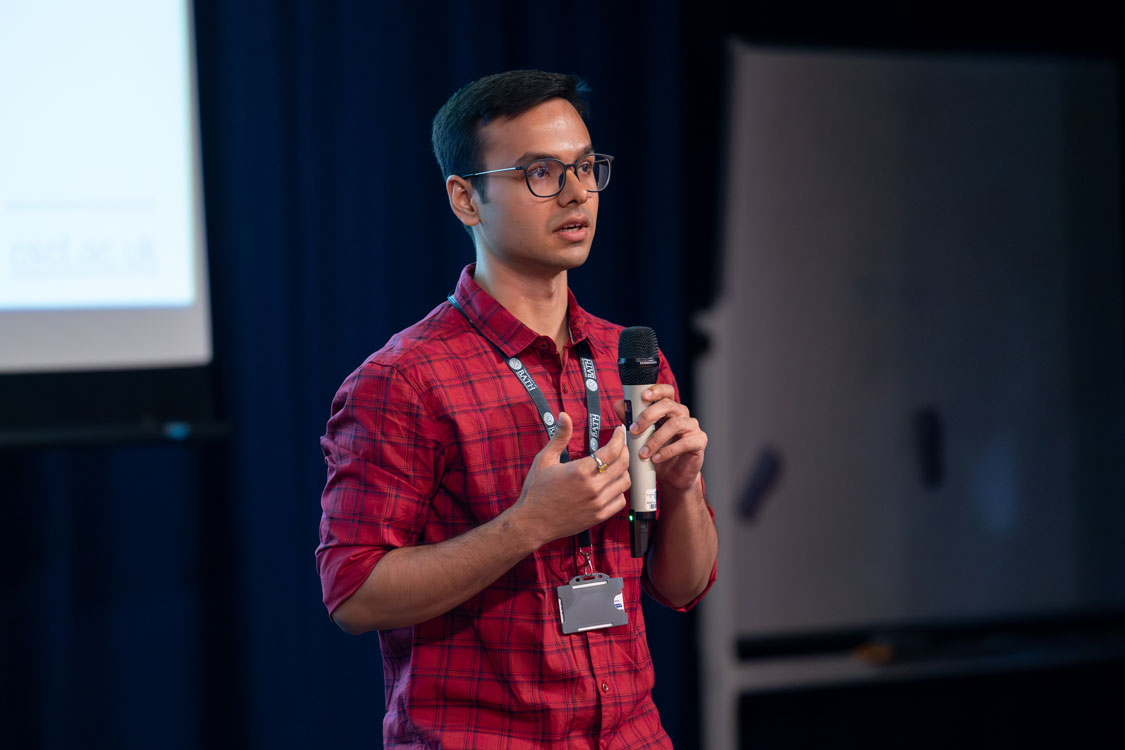
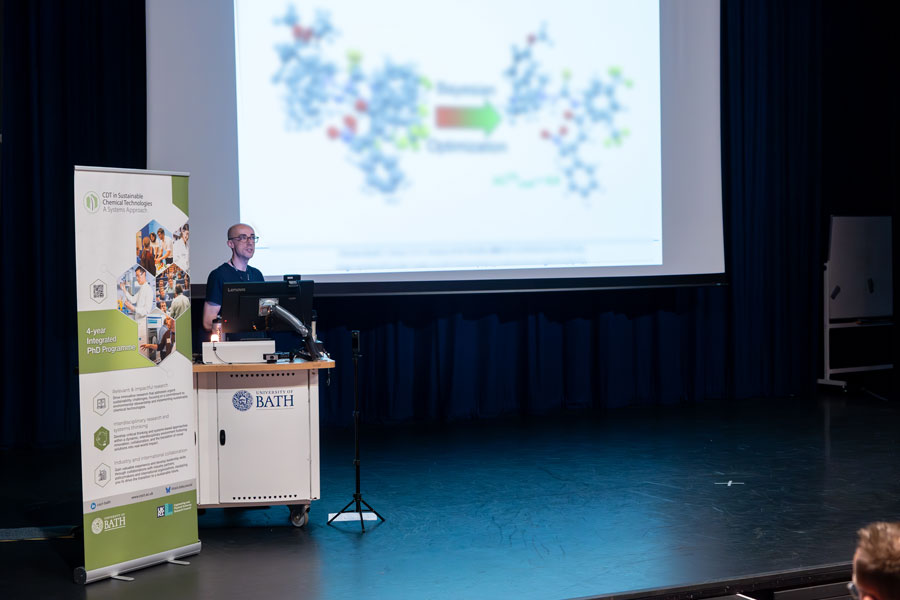
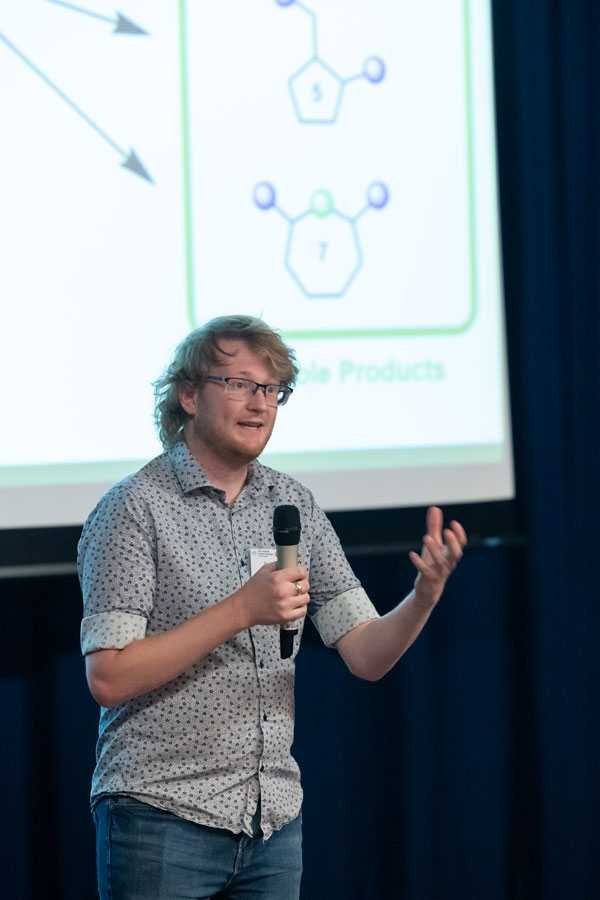
Designing a new chemical reaction has traditionally involved a combination of laboratory experiments and detailed computer simulations. While these computational models can reveal exactly how a reaction works at the molecular level, they often take days, weeks or even months to complete. Dr Matthew Grayson (University of Bath) showed how machine learning is helping to dramatically speed up this process without sacrificing the chemical understanding that researchers rely on.
Dr Grayson’s research combines traditional molecular modelling with artificial intelligence to predict how molecules will behave before they are tested experimentally. Rather than replacing established computational chemistry methods, machine learning acts as a powerful accelerator, allowing researchers to identify promising reactions in seconds instead of months. This enables chemists to spend less time on computational bottlenecks and more time designing new molecules and testing new ideas in the laboratory.
A key theme throughout the presentation was the importance of combining the strengths of both approaches. Conventional quantum chemical calculations remain essential because they provide detailed mechanistic insight into how reactions occur. Machine learning, meanwhile, can rapidly predict reaction barriers and guide researchers towards the most promising areas of chemical space using only a fraction of the computational effort. Dr Grayson demonstrated how techniques such as transfer learning and Bayesian optimisation allow accurate predictions to be made using remarkably small datasets, making these tools increasingly practical for real-world research.
These advances have applications across synthetic chemistry, drug discovery and toxicology, where understanding molecular reactivity is essential. By combining physics-based modelling with modern AI techniques, Dr Grayson’s group is helping researchers explore chemical space far more efficiently, reducing trial and error while maintaining the mechanistic insight needed to design better reactions and molecules. As he concluded, the future is unlikely to be machine learning replacing computational chemistry. Instead, it will be a synergistic partnership where both approaches work together to accelerate chemical discovery.
Moments from the talk
Not only make materials for sustainable applications, but also think about the systems that we use to actually make these materials. The whole process ultimately needs to move towards sustainability.
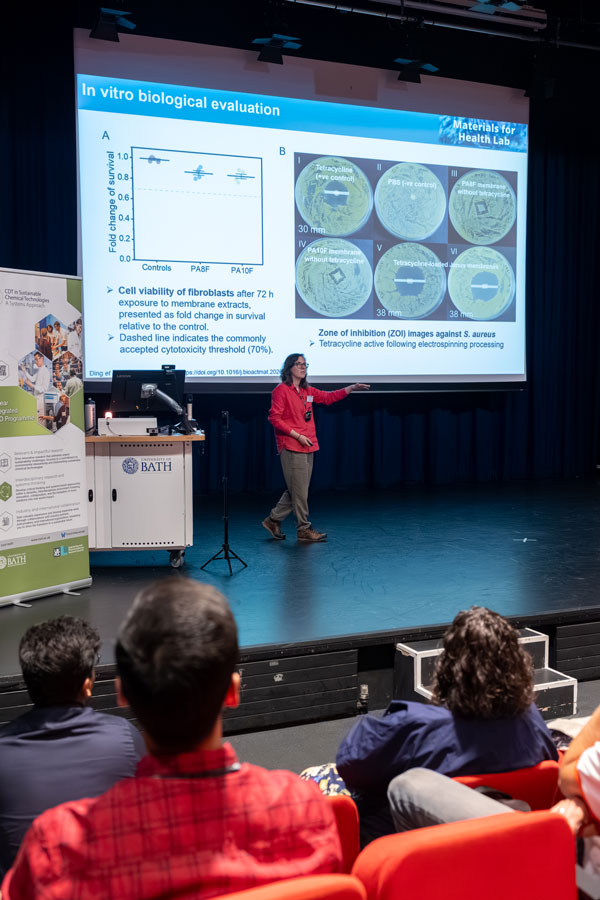
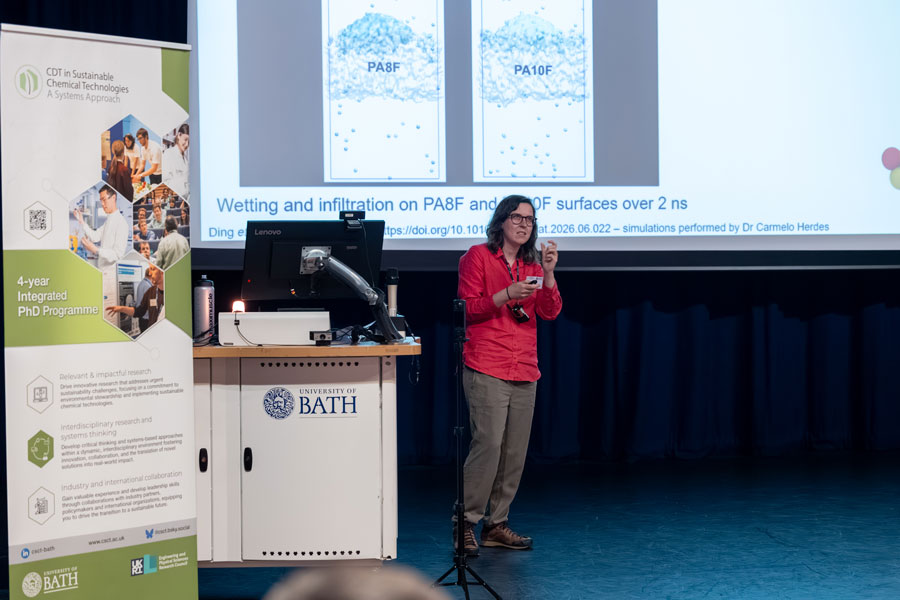
From cleaning contaminated water to developing advanced wound dressings, Dr Hannah Leese demonstrated how sustainable materials can be engineered to address some of today’s biggest environmental and healthcare challenges. Her research at the University of Bath’s Materials for Health Lab focuses on designing functional polymeric materials that deliver technologies for sustainable health, bringing together expertise in advanced manufacturing, sustainable polymers and biomedical engineering.
Central to the presentation was electrospinning, a versatile manufacturing technique that produces ultra-fine polymer fibres thousands of times thinner than a human hair. These nanofibrous membranes provide exceptionally high surface area, making them ideal for applications ranging from filtration and biosensing to tissue engineering and controlled drug delivery. Rather than relying on conventional petroleum-derived materials and harsh processing chemicals, Dr Leese’s group is developing bio-based polymers and greener manufacturing methods to make the entire production process more sustainable.
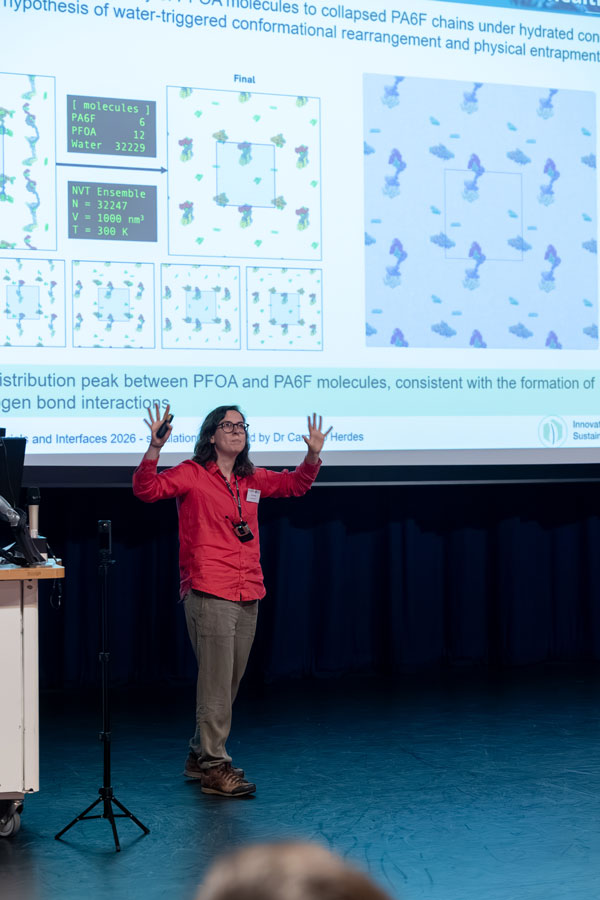
The first case study explored how these bio-based nanofibre membranes can help tackle PFAS, often referred to as “forever chemicals”. The team discovered that their electrospun membranes rapidly capture these persistent pollutants from water and, importantly, prevent them from being released back into the environment. By combining experimental work with molecular simulations, the researchers revealed how the polymer fibres physically trap PFAS molecules before regenerating the material for reuse, creating a promising closed-loop approach to water purification.
Dr Leese then demonstrated how the same material platform can be adapted for healthcare. By engineering “Janus” wound dressings with two distinct functional surfaces, her team created membranes that deliver antibiotics directly to wounds while providing a protective outer barrier. Laboratory testing showed the dressings remained biocompatible, released tetracycline in a controlled manner, and effectively inhibited bacterial growth and biofilm formation, highlighting their potential for treating infected wounds.
The presentation concluded by demonstrating how sustainability extends beyond the materials themselves. The group has also developed methods to recycle laboratory plastic waste, including used Petri dishes, into electrospun tissue-engineering scaffolds using environmentally friendly solvents. Together, these projects illustrate how advanced materials engineering can support a more circular economy while delivering practical solutions for environmental remediation, regenerative medicine and future healthcare technologies.
Moments from the talk
Don't forget about all of those softer skills... your ability to communicate and work with other people. You can't really oversell that in industry.
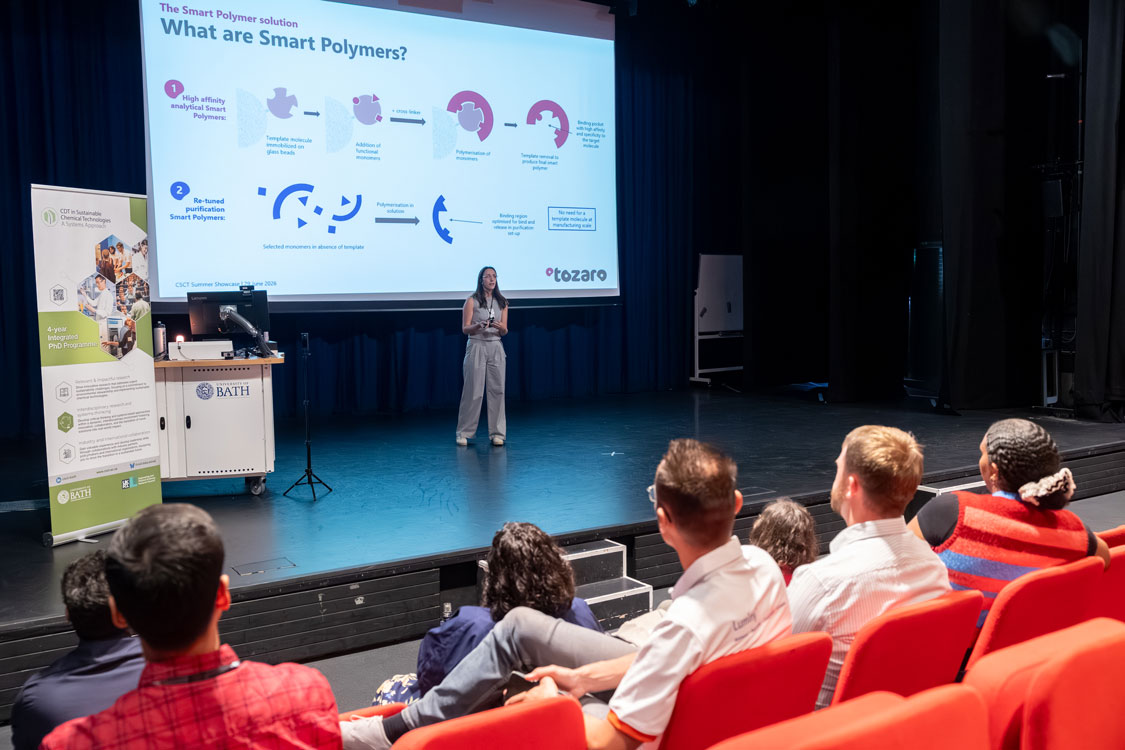
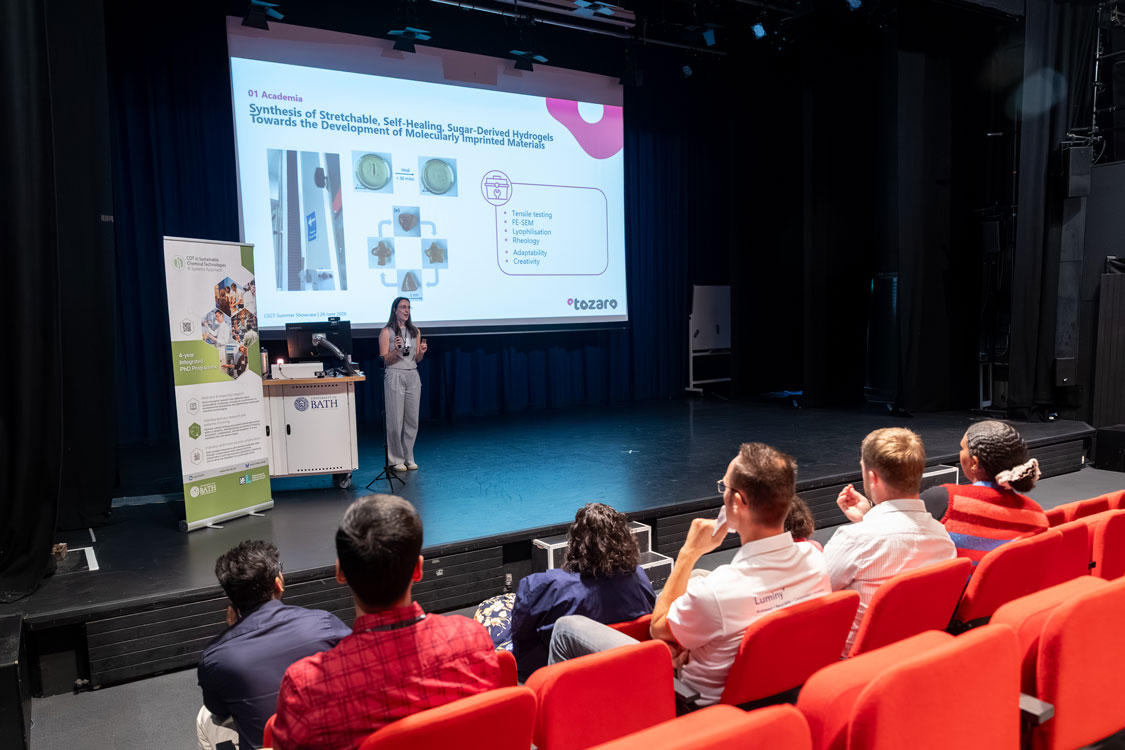
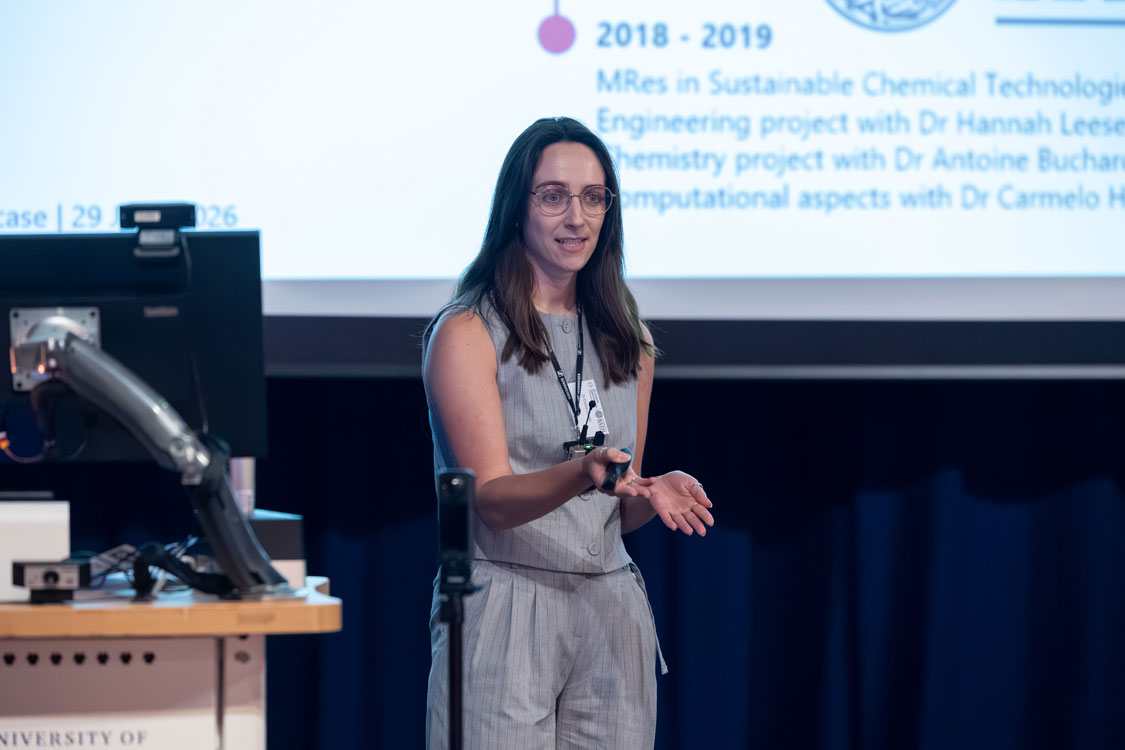
What does interdisciplinary research look like once you leave university? That was the question explored by CSCT alumna Dr Emma Daniels, now Head of Development Chemistry at Tozaro. Reflecting on her journey from MRes student to industry leader, Emma showed how working across chemistry, engineering and computational modelling at the CSCT prepared her to tackle complex scientific challenges beyond academia.
Emma’s own path demonstrates the value of crossing traditional disciplinary boundaries. After completing an MSci in Chemistry, she joined the CSCT MRes in 2018, working with Dr Hannah Leese on an engineering project, Dr Antoine Buchard on a chemistry project, and Dr Carmelo Herdes Moreno on computational modelling. She continued this collaborative approach throughout her PhD before joining biotechnology company Tozaro, where she now leads the development of advanced polymer technologies for cell and gene therapy manufacturing.
During the presentation, Emma reflected on how each stage of her research built not only technical expertise but also the transferable skills that industry values most. From polymer synthesis and computational modelling to scientific communication, resilience and rapid learning, she explained that working across multiple disciplines taught her how to solve unfamiliar problems and collaborate effectively with experts from very different backgrounds.
Emma also offered an insight into her current work at Tozaro, where smart polymers are being developed to improve the manufacture of viral vectors used in cell and gene therapies. By combining computational modelling with polymer chemistry, the team is designing materials that can bind specific biological targets, helping to make purification and analysis faster, more accurate and ultimately more cost-effective.
Closing her talk, Emma shared advice for current PhD students and early career researchers. While technical expertise remains important, she encouraged students not to underestimate the value of communication, adaptability and resilience. Reflecting on the well-known saying “A jack of all trades is a master of none,” she reminded the audience of its often-forgotten ending: “…but oftentimes better than a master of one.” For Emma, that philosophy perfectly captures the strength of interdisciplinary research and the skills that continue to shape her career in industry.
Moments from the talk
The science is there. The technology works. The challenge is making sure we collect and recycle these materials at scale.
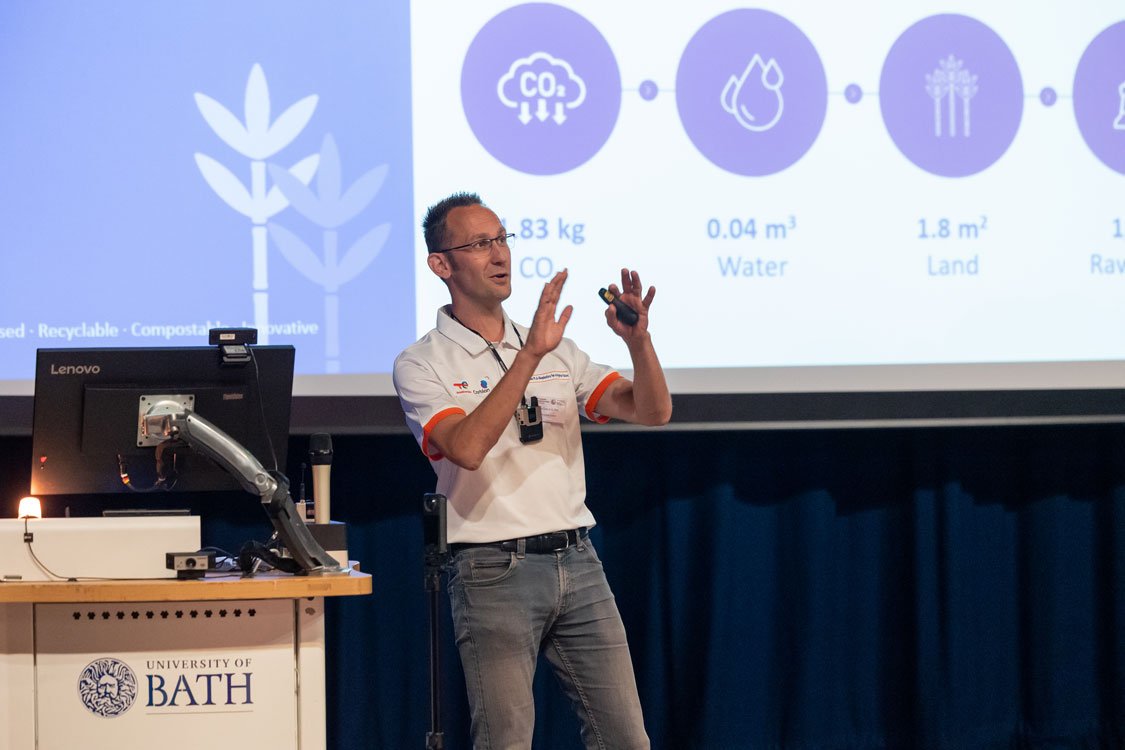
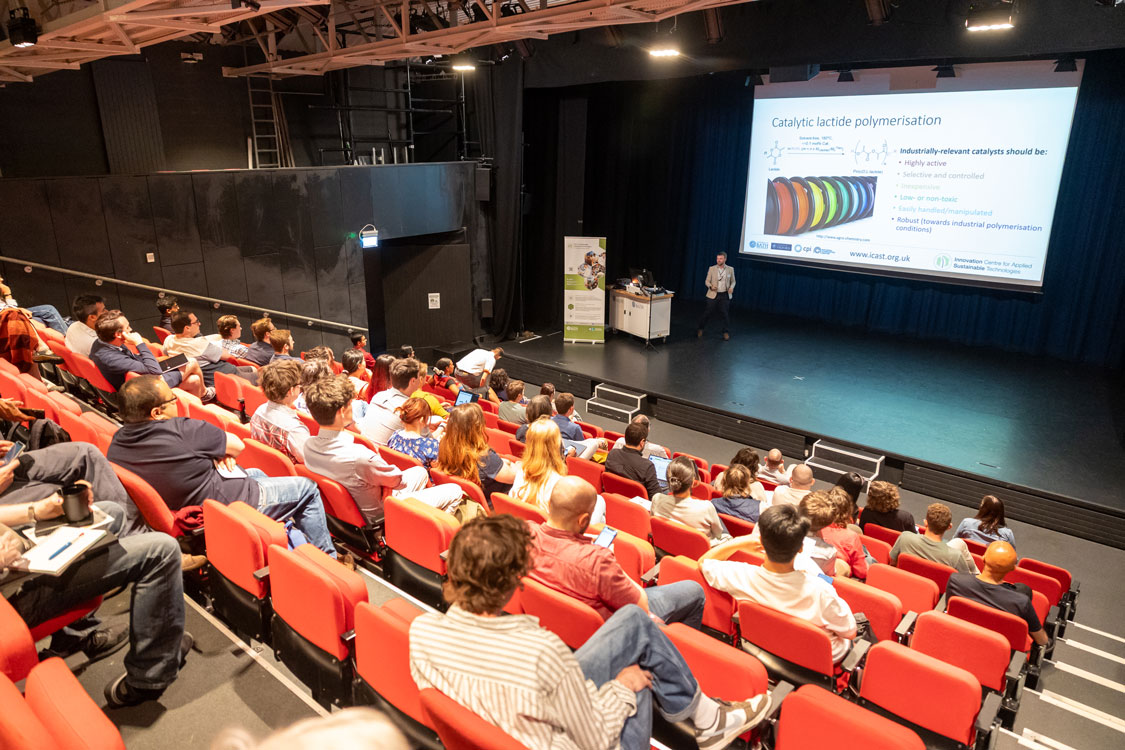
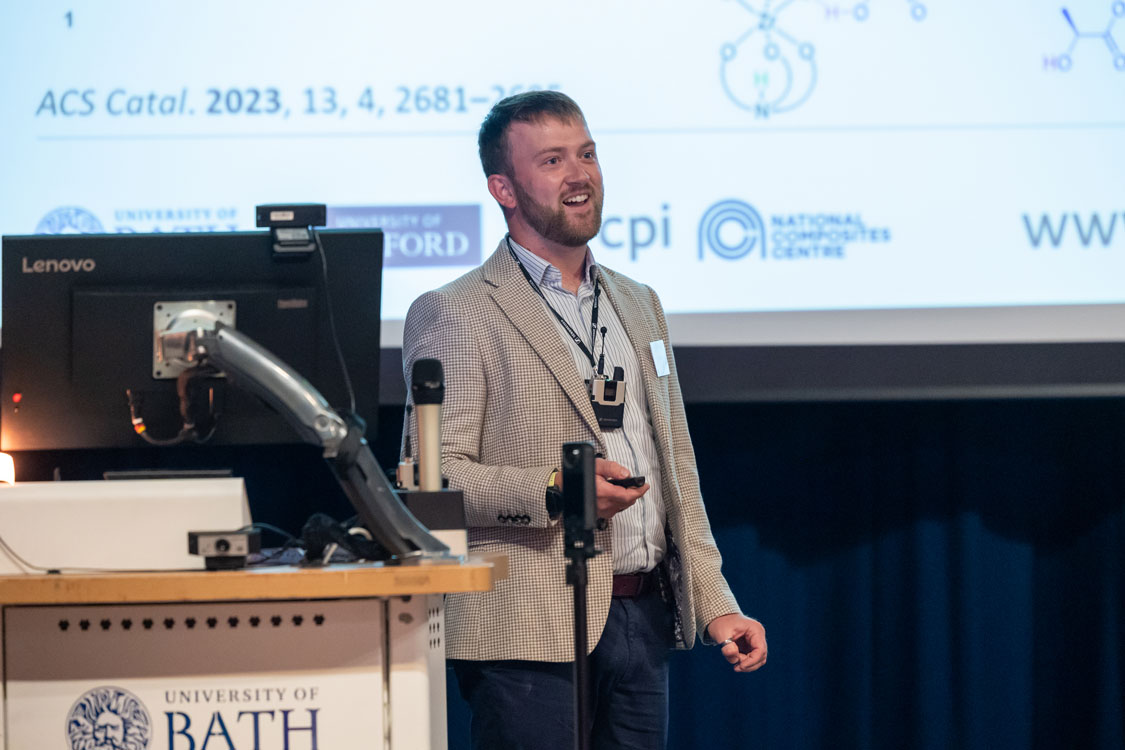
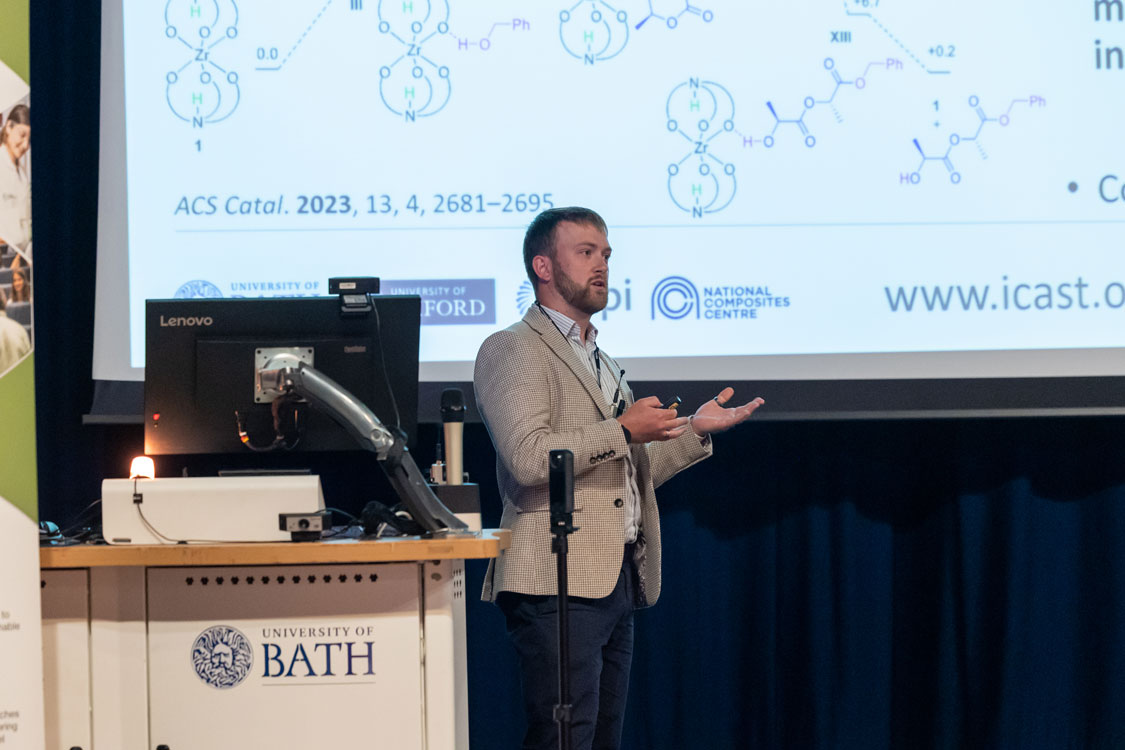
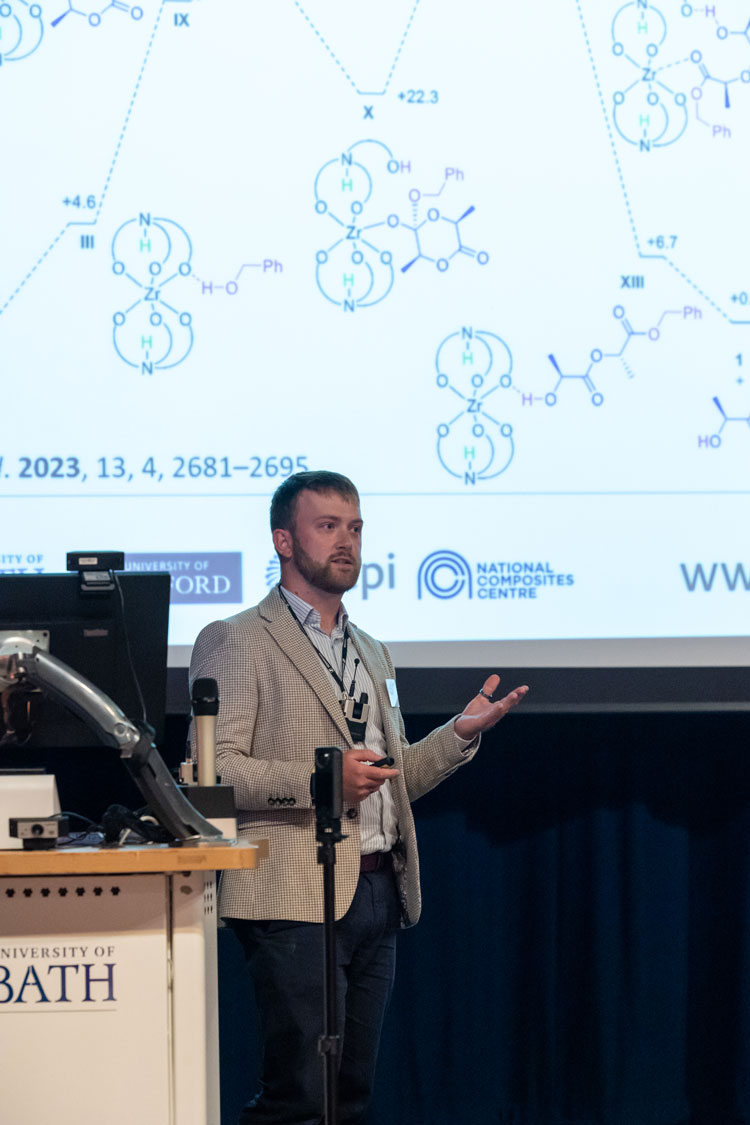
Can plastics be made from renewable resources and still be recycled efficiently at industrial scale? That was the question explored by Dr Gerrit Gobius du Sart of TotalEnergies Corbion and CSCT alumnus Dr Strachan McCormick (iCAST). Their joint presentation demonstrated how years of collaborative research between academia and industry are helping make bioplastics a more practical and sustainable alternative to conventional plastics.
Gerrit, a long-standing Visiting Industrial Fellow at the CSCT, began by introducing polylactic acid (PLA), a plastic produced from plant-derived sugars rather than fossil resources. Beyond its renewable origins, PLA offers multiple end-of-life options, including reuse, recycling and industrial composting. As pressure grows to reduce the environmental impact of packaging, improving the recyclability of these materials is becoming increasingly important.
Strachan then shared how his doctoral research at the University of Bath focused on developing new catalyst systems capable of manufacturing PLA under demanding industrial conditions. Working alongside Professor Matt Davidson and collaborators at TotalEnergies Corbion, the team developed robust catalyst technologies that operate efficiently at high temperatures while using extremely low concentrations of non-toxic metals. The collaboration has produced multiple patents and publications, demonstrating how fundamental research can be translated into commercially relevant manufacturing processes.
The speakers also highlighted one of the most exciting aspects of PLA chemistry: the same principles used to build the polymer can also be used to break it back down into its original building block, lactide. This opens the possibility of true chemical recycling, allowing plastics to be recovered and reused rather than discarded after a single life cycle.
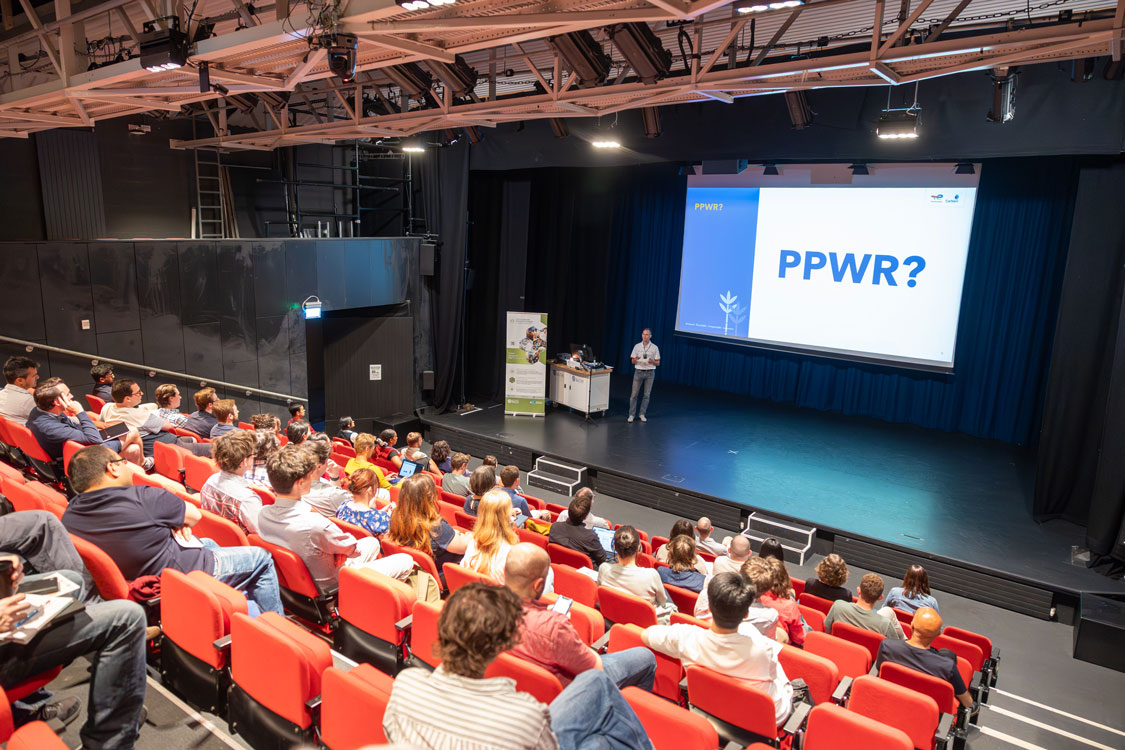
Finally, Gerrit discussed how new European Packaging and Packaging Waste Regulations (PPWR) are accelerating the need for recyclable, biobased materials. While the chemistry behind PLA recycling is now well established, the next challenge is building the infrastructure needed to collect, sort and recycle these materials at commercial scale. It was a timely reminder that solving sustainability challenges requires not only scientific innovation, but close collaboration between universities, industry and policymakers.
Moments from the talk
Ignite Talks
Five minutes. Twenty slides. Every fifteen seconds.
If the Flash Presentations challenge students to distil their research into a single minute, the Ignite Talks ask them to tell a compelling story at speed. Twenty image-led slides advance automatically every fifteen seconds, leaving no opportunity to pause, go back or linger on a point. The result is an engaging, fast-paced presentation that rewards preparation, confidence and clear communication.
This year’s Ignite Talks were delivered by three members of Cohort ’24, each taking the audience on a journey through their research while demonstrating just how far they have developed as communicators over the past year.
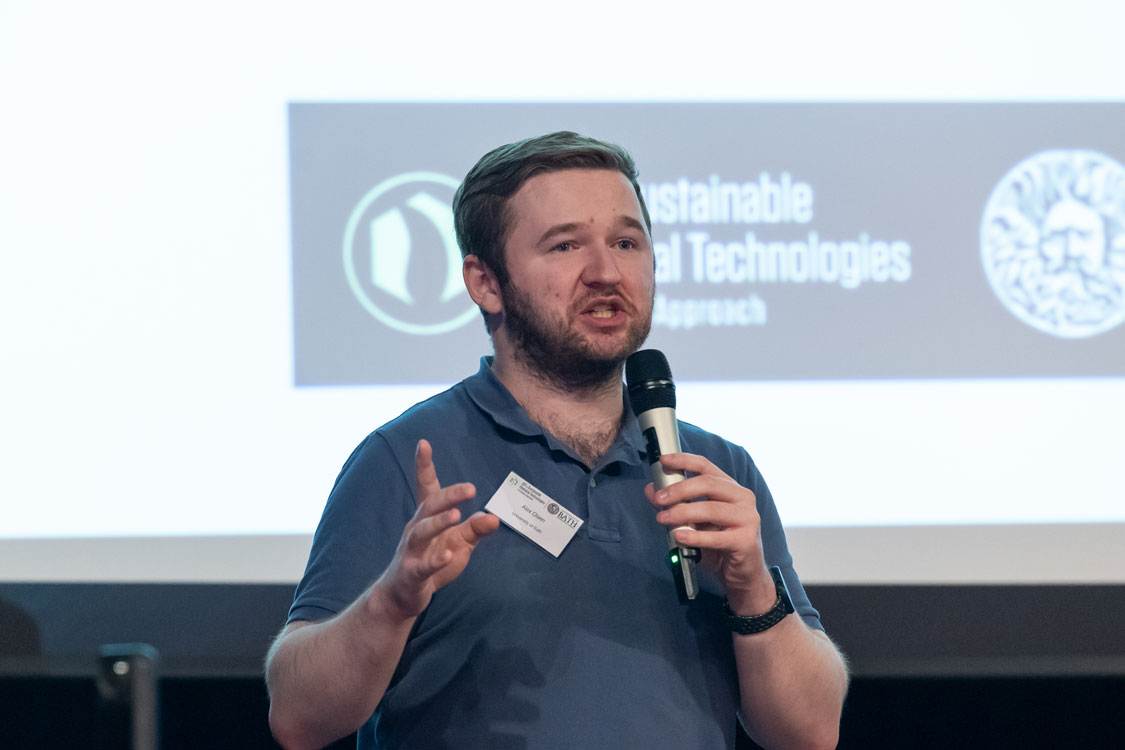
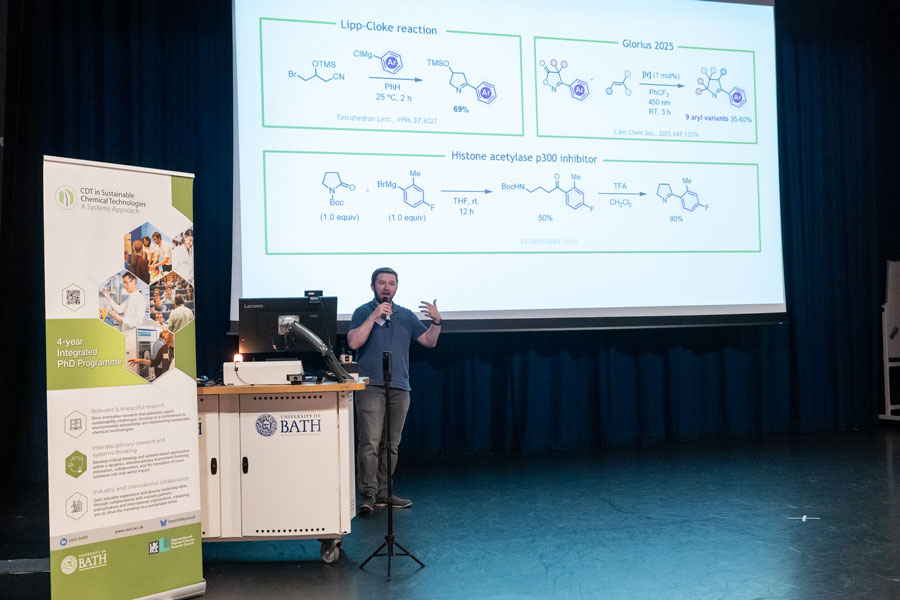
Alex Olsen explored the development of more sustainable synthetic methods for pharmaceutical discovery, showing how new “ASAP” reagents could simplify chemical synthesis while reducing waste and improving accessibility.
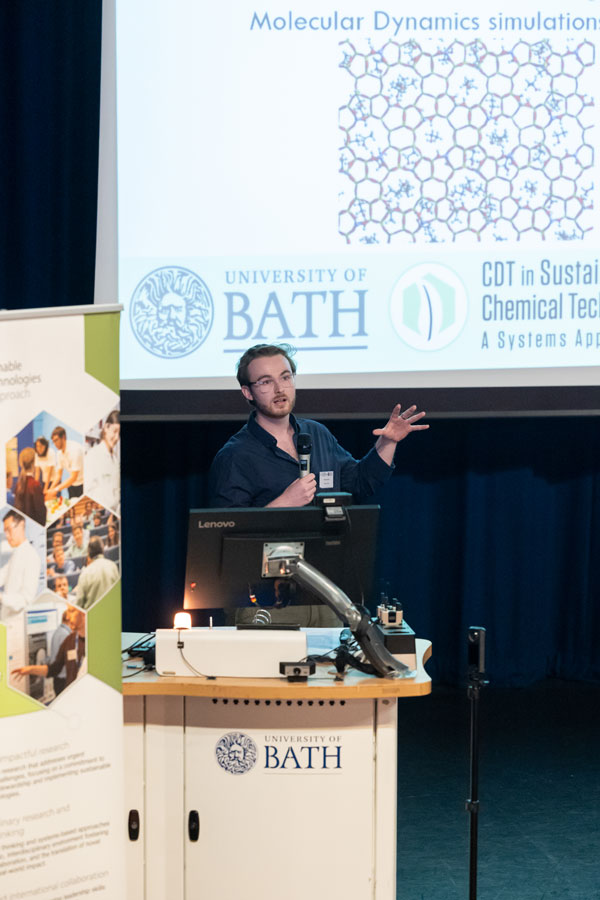
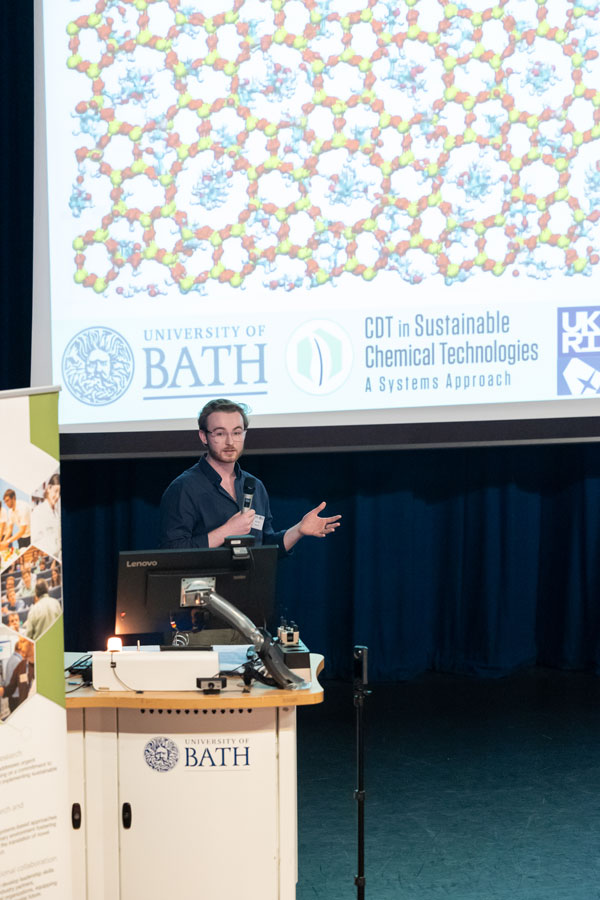
Harvey Draper took us inside the microscopic world of zeolite catalysts, revealing how tiny pores influence the movement of biomass-derived molecules and how understanding these interactions could help replace fossil-derived feedstocks with more sustainable alternatives.
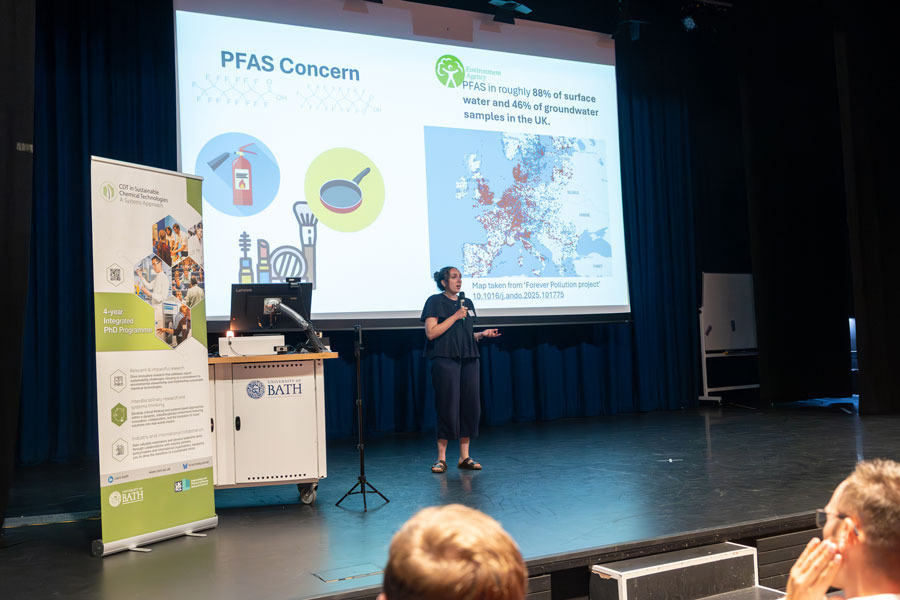
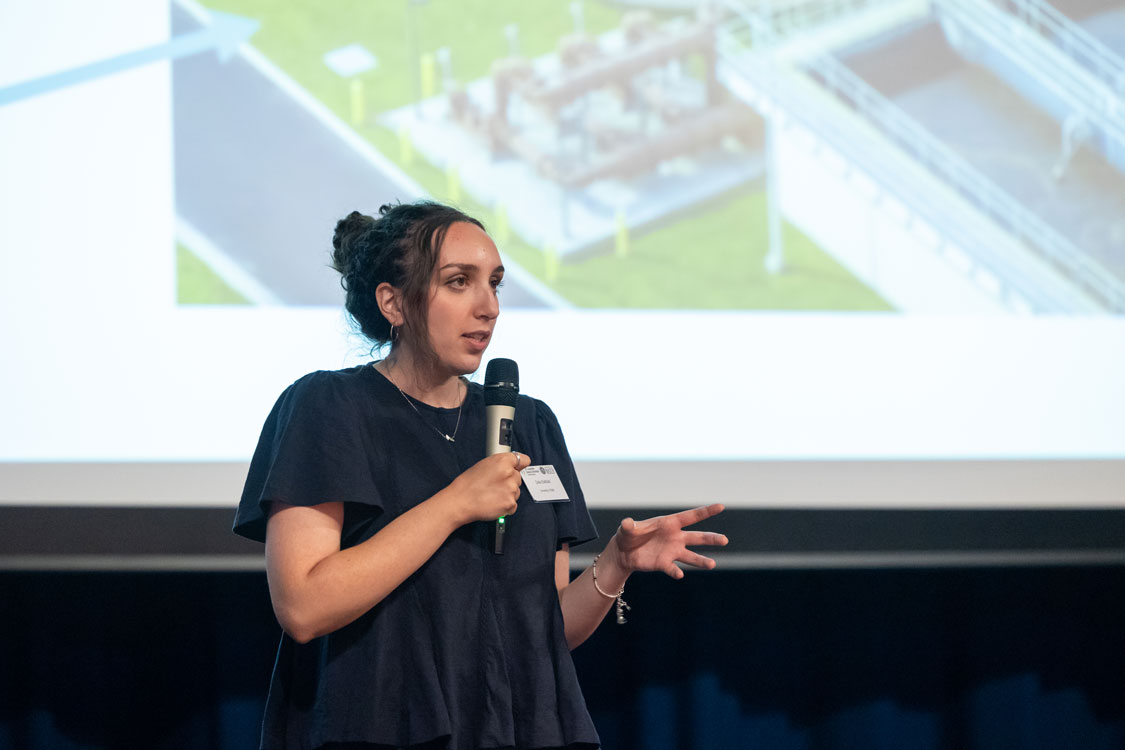
Dalia Elabbadi concluded the session with an investigation into PFAS contamination across Europe, demonstrating how wastewater monitoring can provide valuable insight into community exposure to “forever chemicals” while helping identify environmental hotspots and inform future policy.
Although the subjects could hardly have been more diverse, each speaker demonstrated the same ability to transform complex science into a clear and engaging narrative. Together, the session highlighted not only the quality of research taking place across the CSCT, but also the confidence and communication skills that continue to develop throughout the doctoral journey.
Dr Lydia Pickering
Less than 1% of rare earth elements are currently recycled.
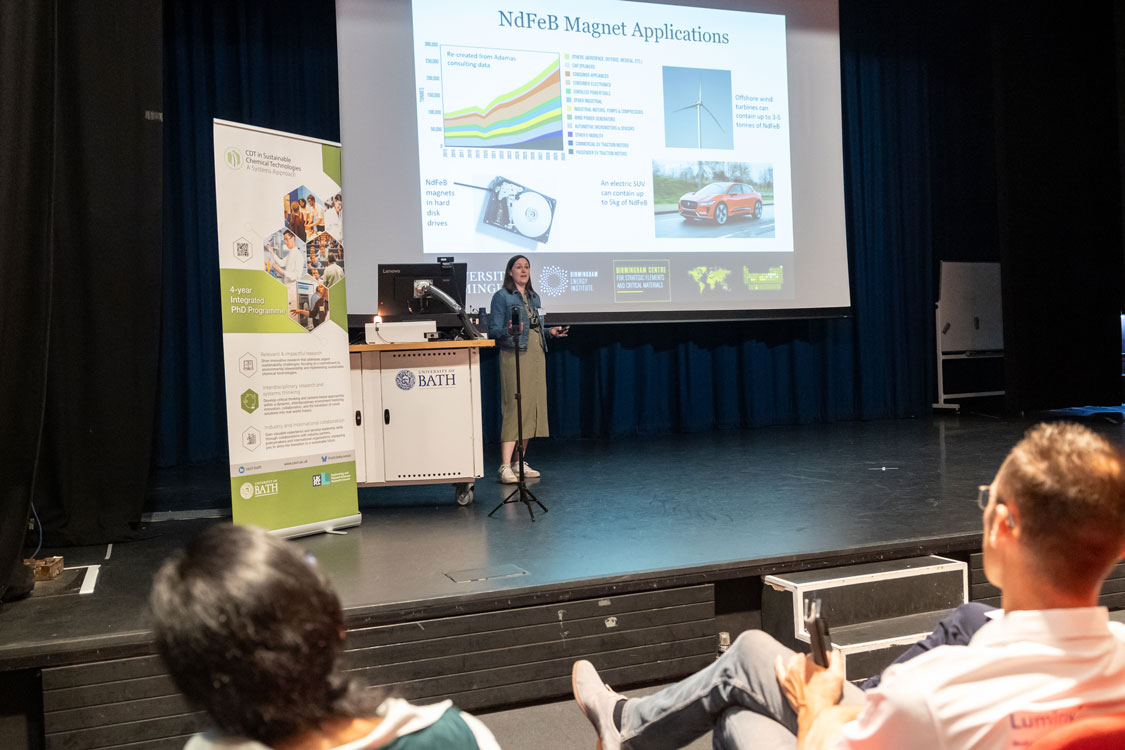
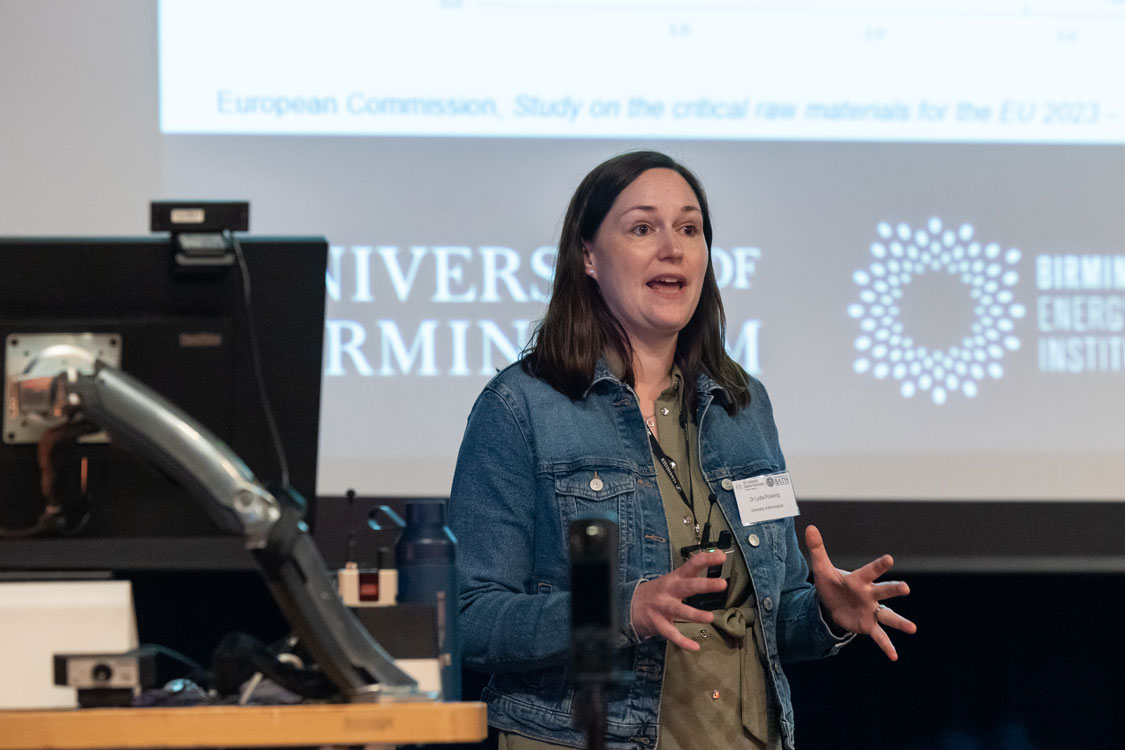
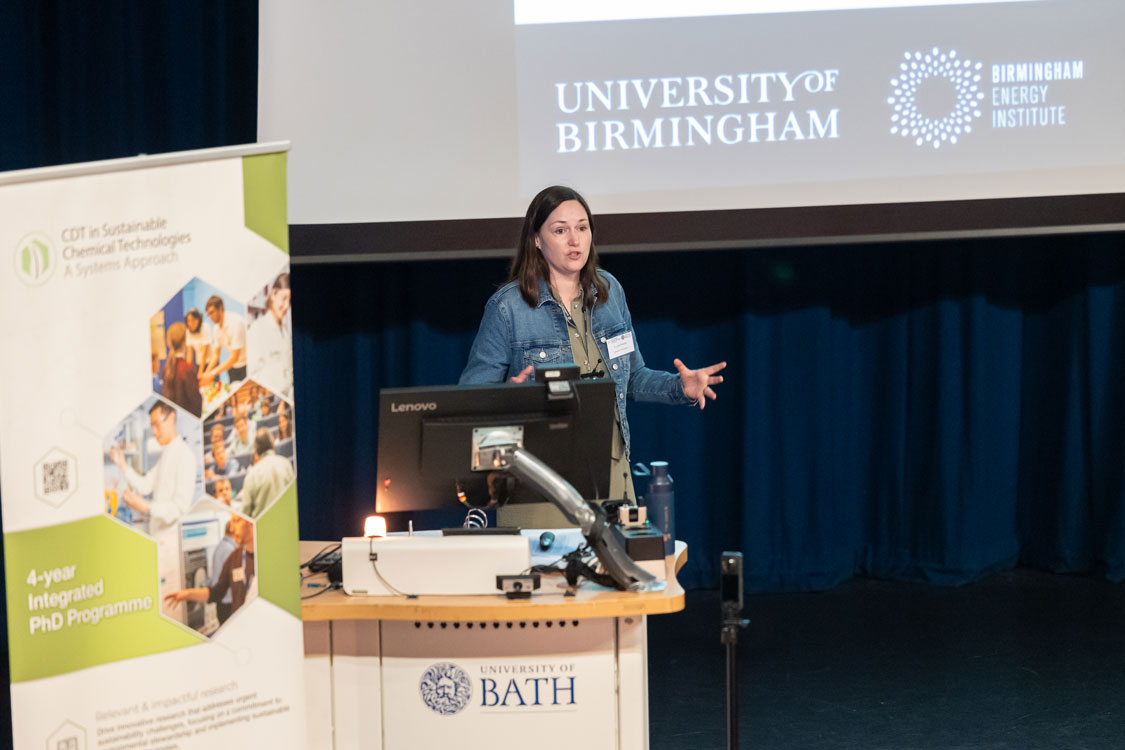
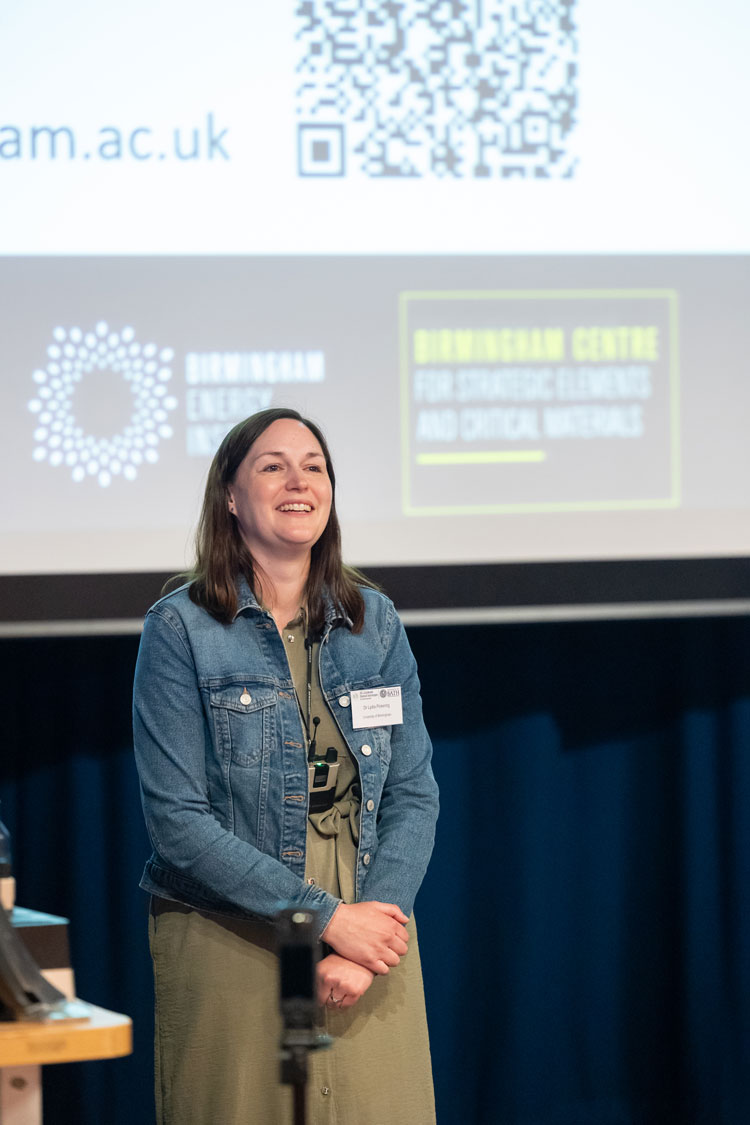
Most of us never think about magnets. Yet they are hidden inside almost everything we use, from smartphones and laptops to electric vehicles and offshore wind turbines. As Dr Lydia Pickering from the University of Birmingham revealed, these tiny components are becoming one of the most important materials in the transition to net zero.
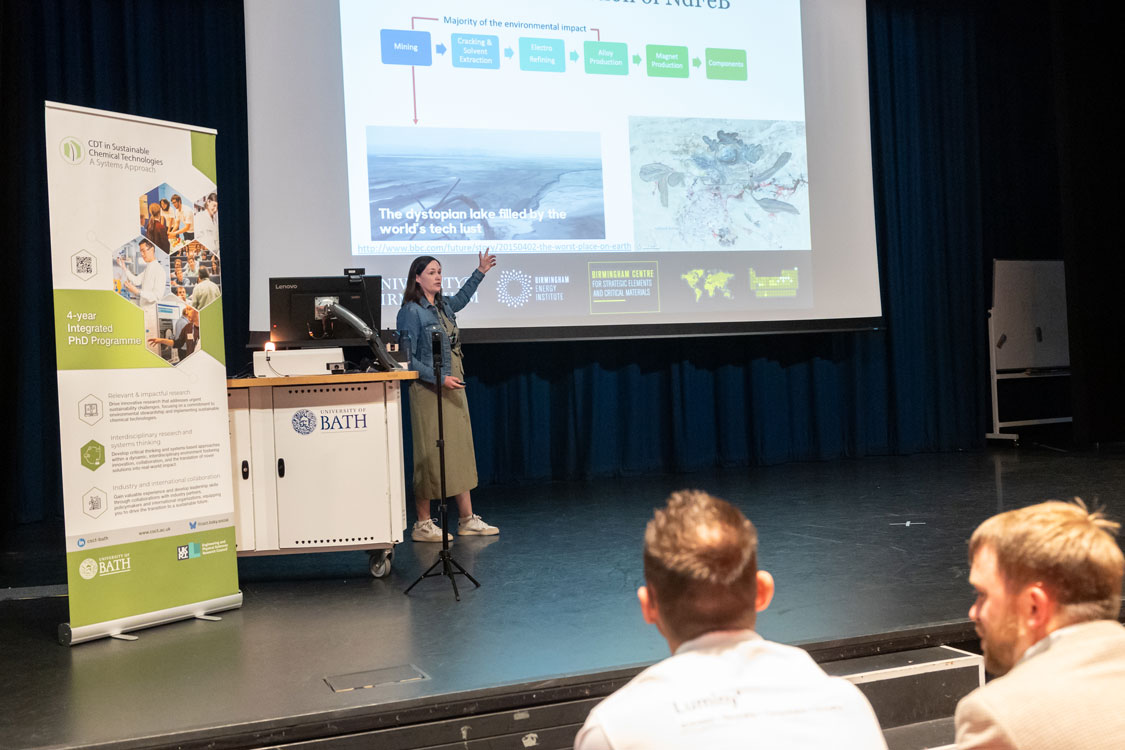
Her research focuses on neodymium-iron-boron (NdFeB) permanent magnets, which are essential for modern technologies because they are both incredibly powerful and highly efficient. Demand is growing rapidly as renewable energy and electric transport expand, but producing these magnets relies on energy-intensive mining and processing, with much of the global supply concentrated in a small number of countries.
Lydia explained why recycling these materials is no longer simply an environmental issue. It is increasingly a question of resource security, manufacturing resilience and building a more circular economy. Surprisingly, less than 1% of rare earth elements are currently recycled, despite the huge quantities already sitting inside discarded electronics and end-of-life equipment.
The presentation then introduced the University of Birmingham’s innovative Hydrogen Processing of Magnetic Scrap (HPMS) technology. By exposing magnets to hydrogen under carefully controlled conditions, the material naturally breaks apart into a reusable powder that can be processed directly into new magnets. The technique avoids harsh chemical treatments, dramatically reduces energy use, and can recover up to 98% of the original magnetic properties while using around 88% less energy than primary manufacturing.
Lydia also demonstrated how the research has progressed beyond the laboratory. From robotic systems that automatically identify and recover magnets from discarded hard drives, to a commercial pilot facility capable of processing hundreds of kilograms of material per batch, the work is now helping establish a UK supply chain for recycled rare earth magnets.
She concluded by highlighting that technology alone is not enough. Designing products for disassembly, improving collection systems, and introducing policies such as take-back schemes and recycling targets will all be essential if critical materials are to remain in circulation rather than becoming waste.
Lydia’s talk offered a fascinating insight into a material most of us rarely consider, showing how something as familiar as a magnet sits at the heart of clean energy, advanced manufacturing and the UK’s future resource security. It was an excellent example of how innovative materials science can address both environmental and industrial challenges simultaneously.
Moments from the talk
Three Minute Thesis (3MT®)
Three minutes. One slide. One compelling story.
The internationally recognised Three Minute Thesis (3MT®) competition challenges doctoral researchers to explain years of complex research in just three minutes, using only a single static slide. Originally developed by The University of Queensland, the format rewards clarity, engagement and the ability to communicate beyond your own discipline.
This year’s Showcase featured three outstanding presentations from members of Cohort ’24, each demonstrating how powerful scientific communication can be when complexity is distilled into a clear and accessible story.
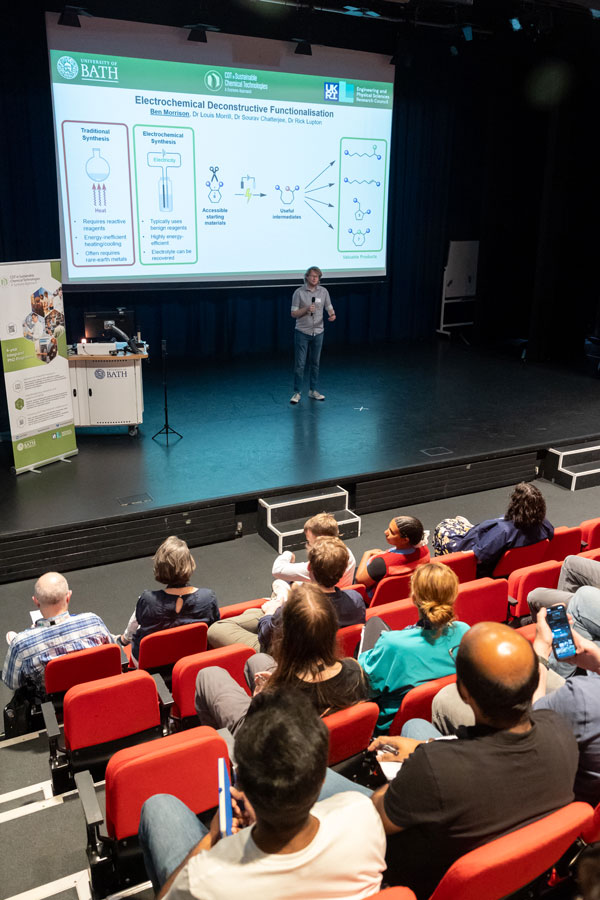
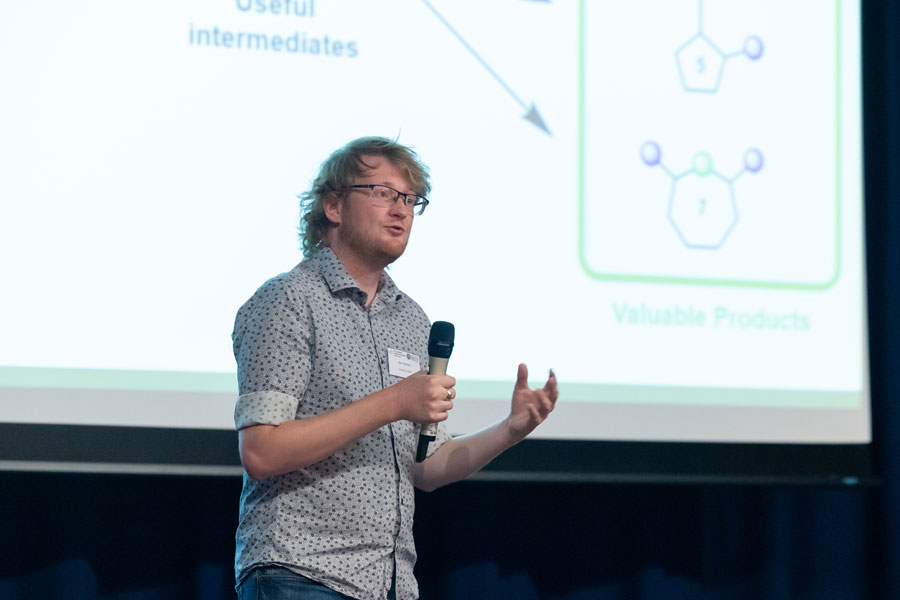
Ben Morrison introduced an innovative electrochemical approach to sustainable chemical synthesis, demonstrating how electricity can replace energy-intensive processes to create valuable pharmaceutical building blocks more efficiently.
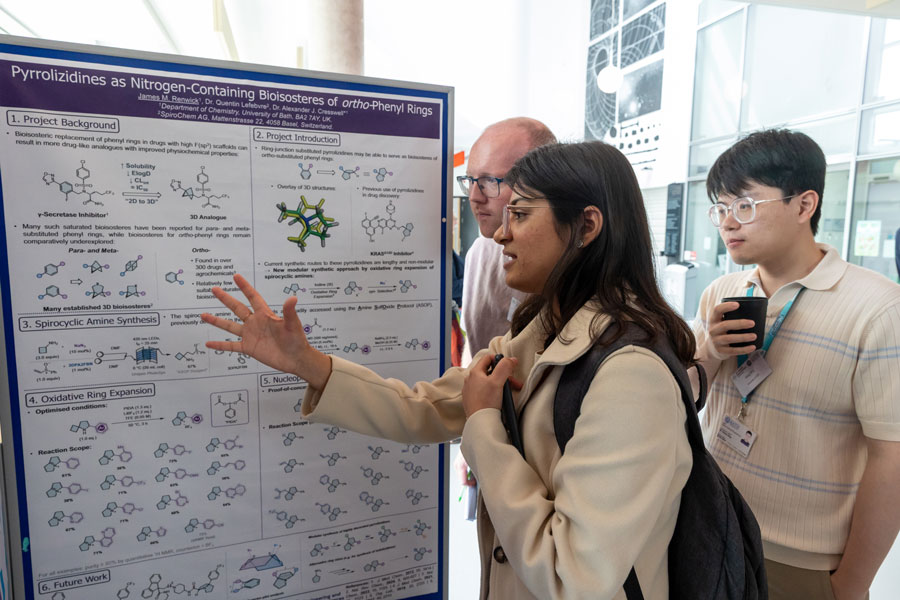
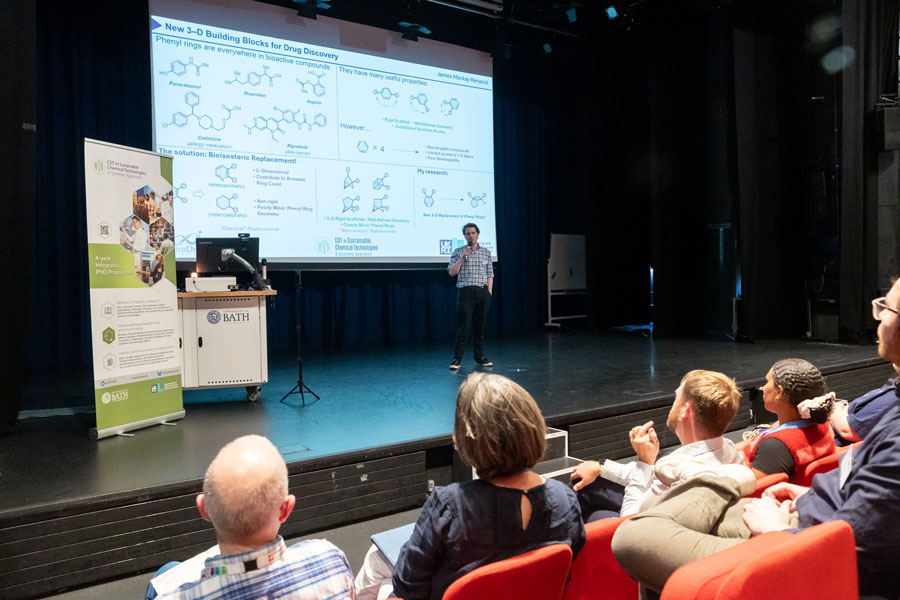
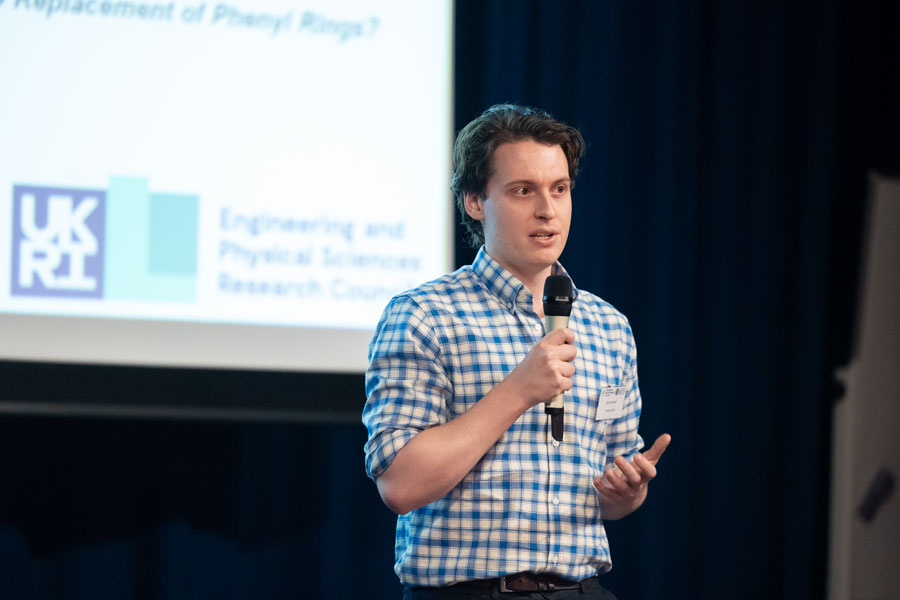
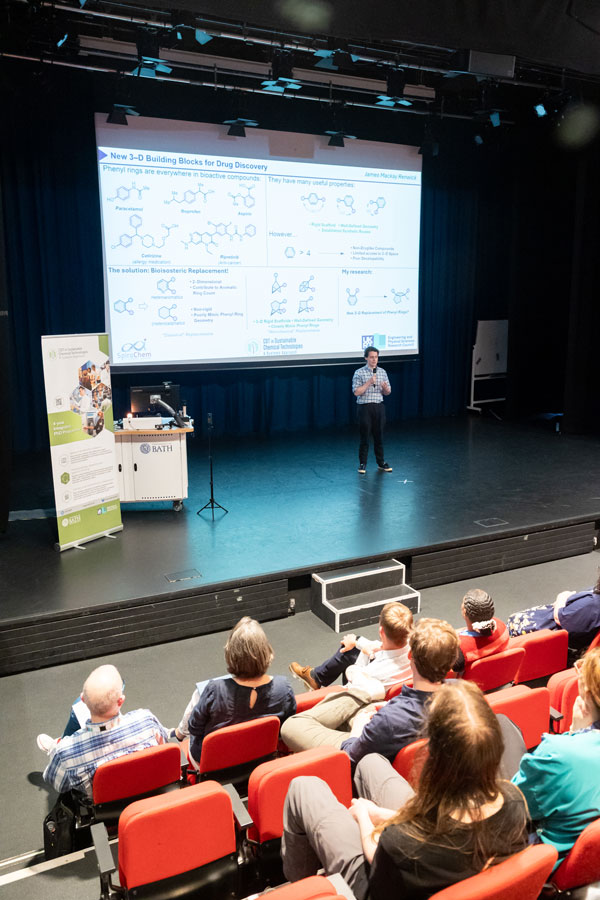
Jamie Renwick explored the search for new three-dimensional molecular building blocks that could improve the next generation of medicines, tackling one of the longstanding challenges in medicinal chemistry.
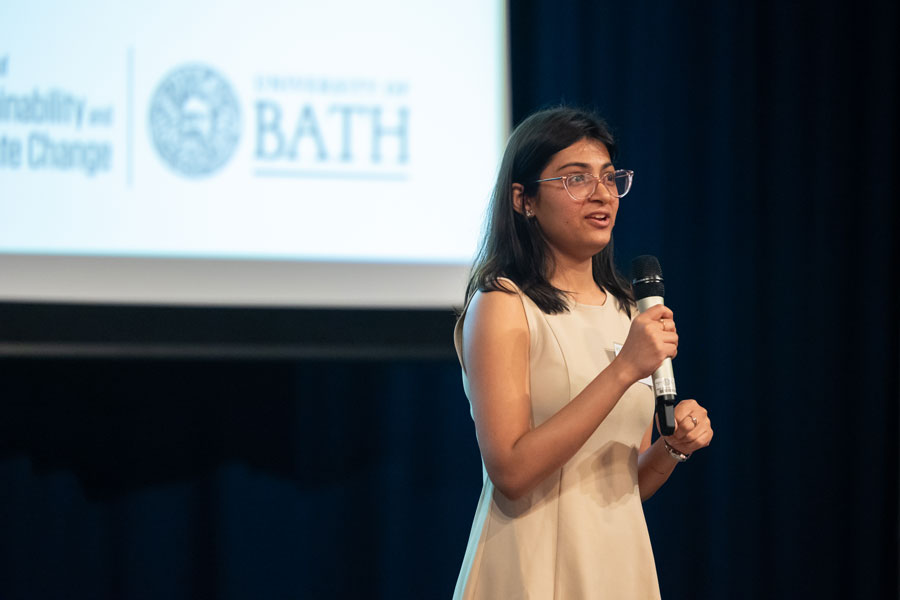
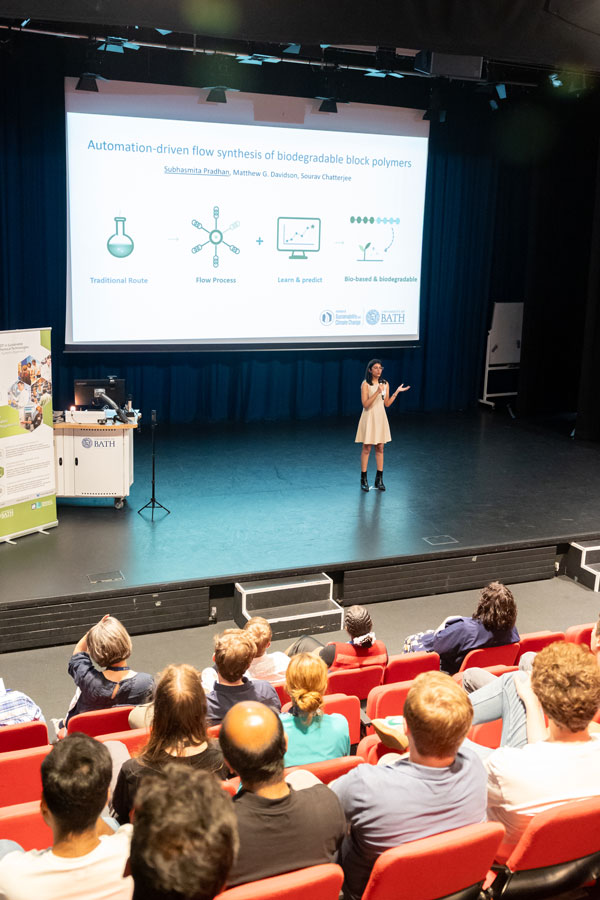
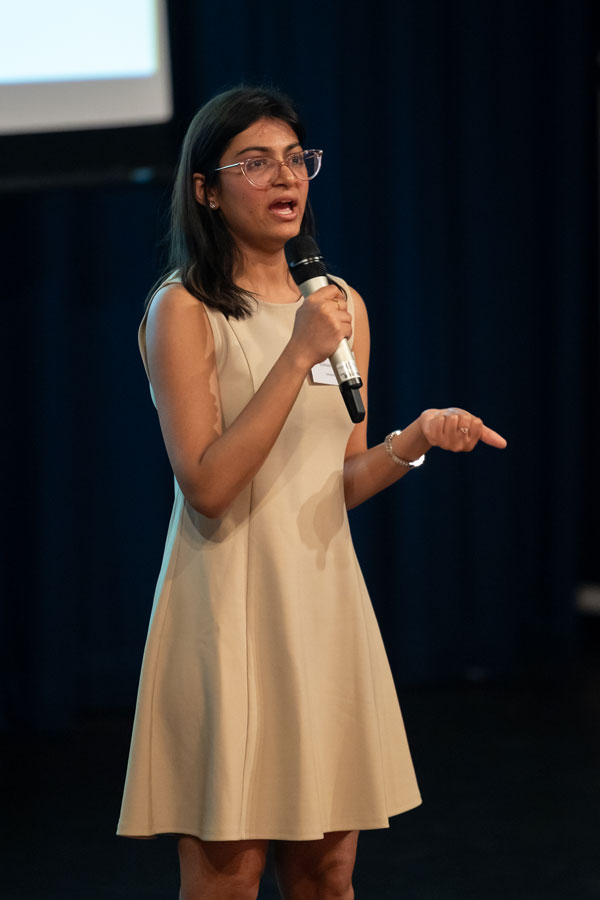
Subhasmita Pradhan concluded the session by presenting a vision for designing recyclable, bio-derived plastics using continuous flow chemistry, automation and artificial intelligence to create more sustainable polymer manufacturing processes.
Although each presentation focused on a very different area of research, they shared a common achievement: transforming highly specialised science into stories that could be understood and appreciated by a broad audience. It was a fitting demonstration of the communication skills that lie at the heart of doctoral research and the CSCT community.
Professor Stephen Wallace
Microbes can do programmed multi-step chemical synthesis under incredibly mild reaction conditions.
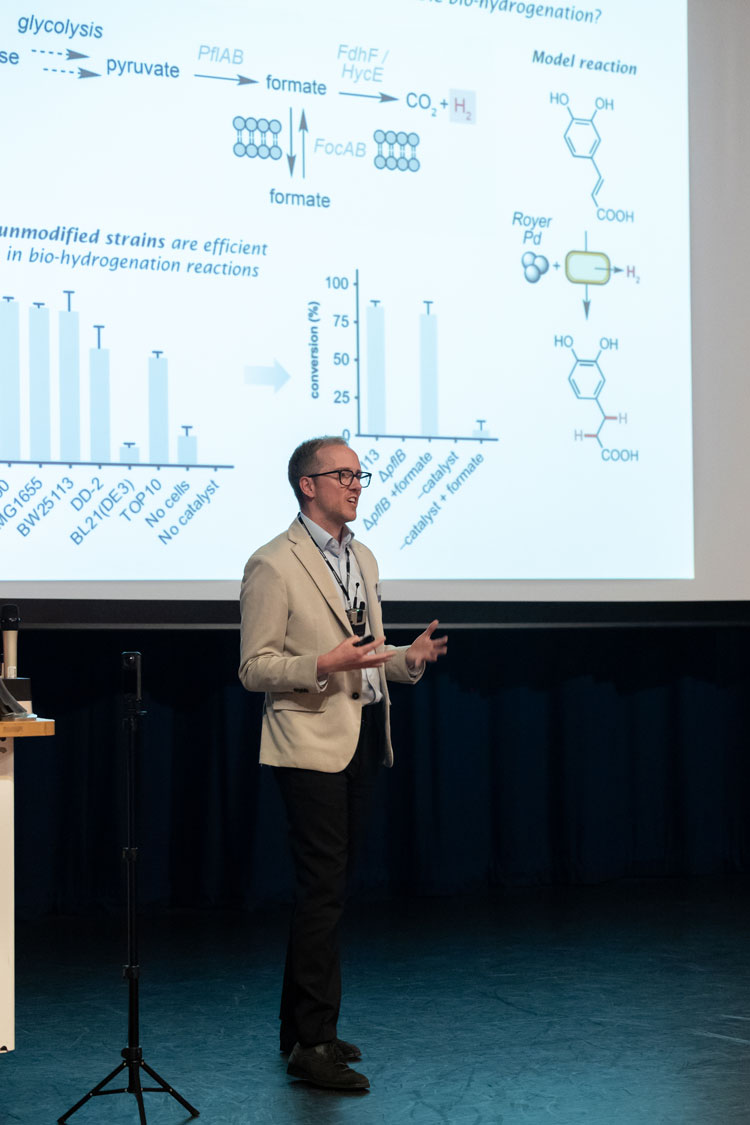
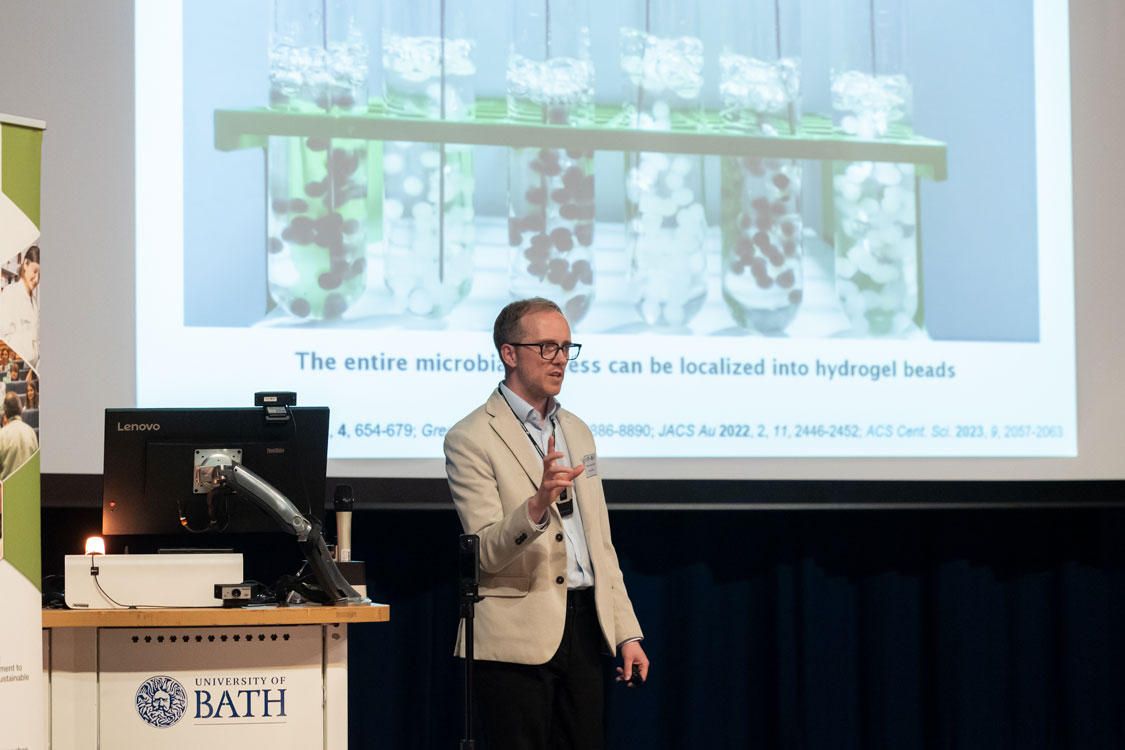
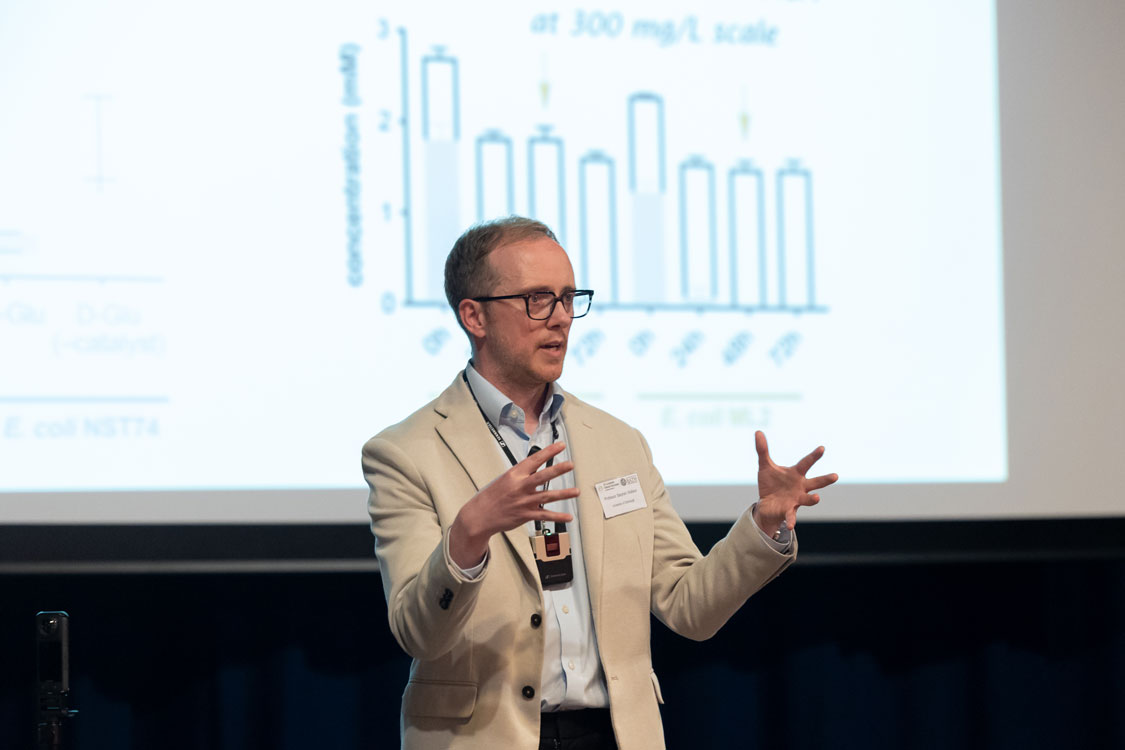
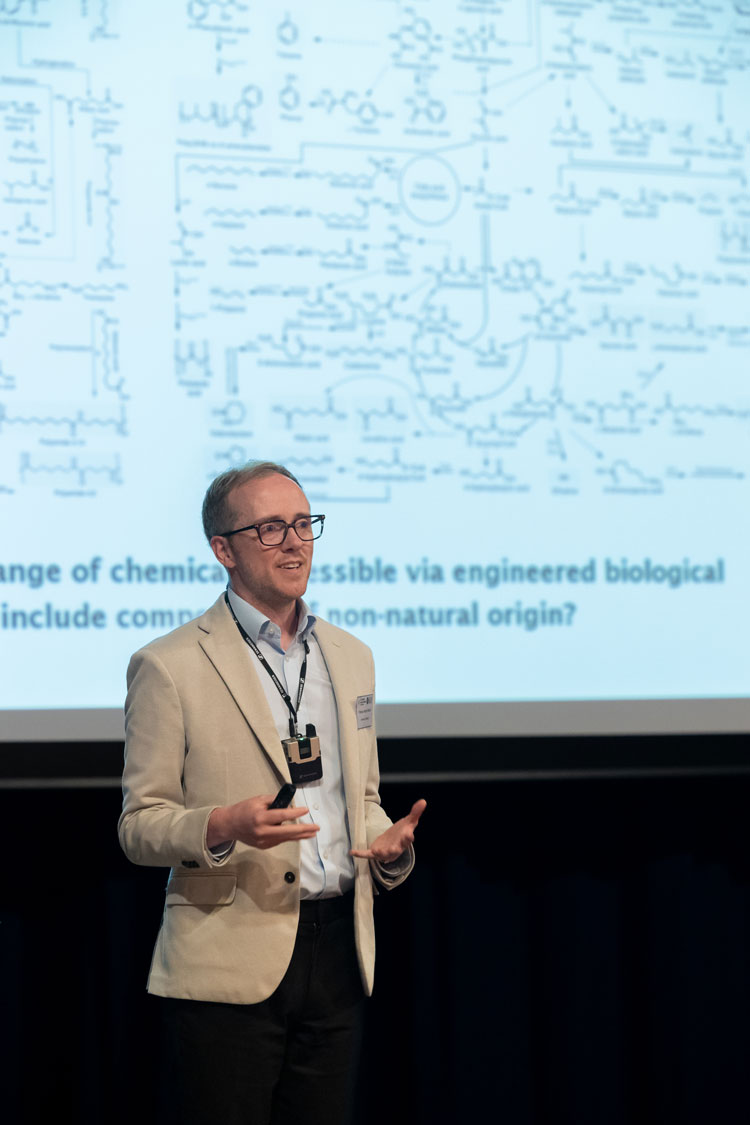
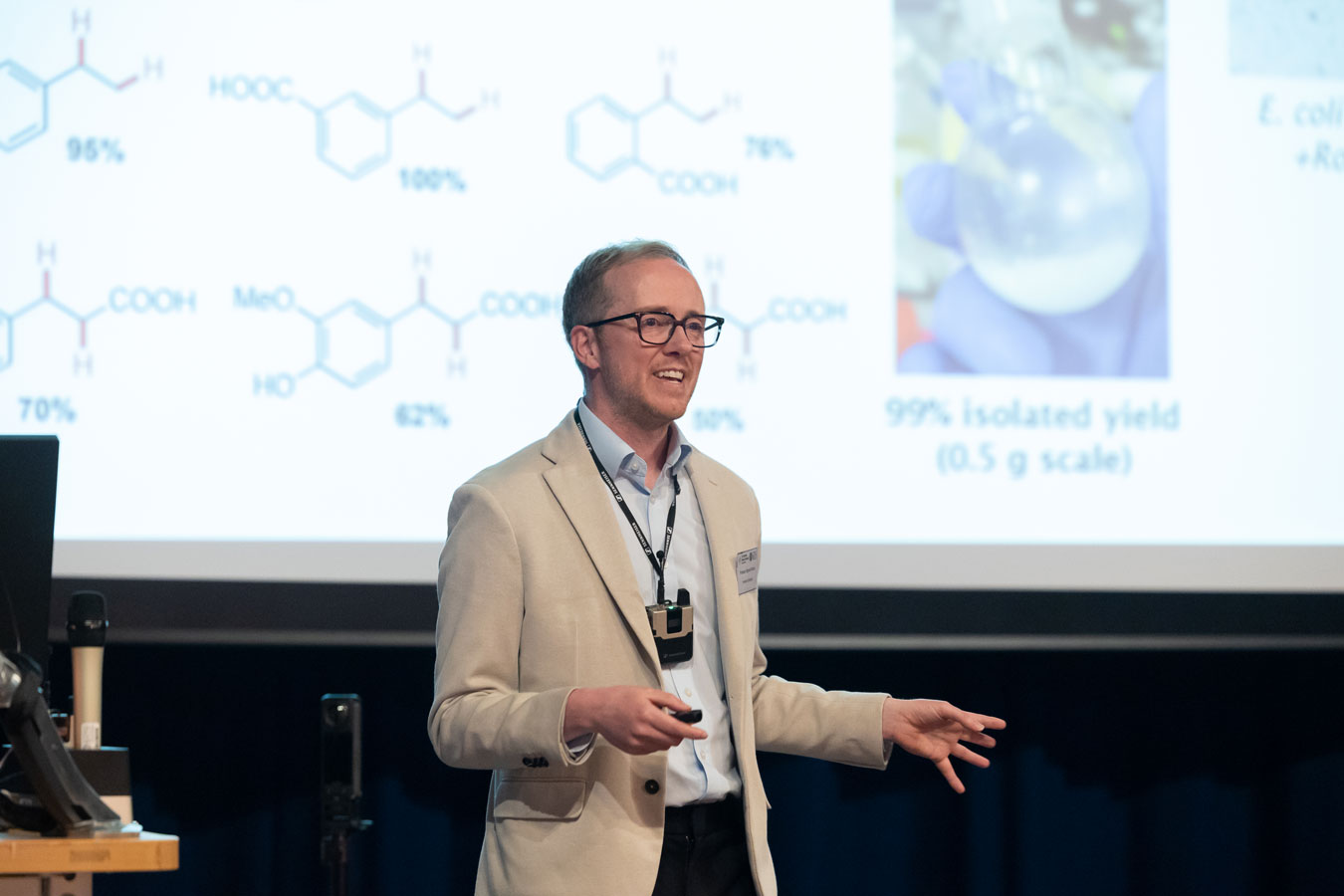
Professor Stephen Wallace delivered a fascinating and highly engaging talk exploring how synthetic chemistry and synthetic biology can work together to create a more sustainable future for chemical manufacturing.
An outstanding communicator, Stephen has a rare ability to make highly complex science feel intuitive. His passion for green chemistry and sustainability was evident throughout, as he guided the audience through a series of elegant examples showing how microorganisms can be engineered to manufacture valuable chemicals under remarkably mild conditions.
At the heart of his research is a deceptively simple question: what if we could persuade microbes to become miniature chemical factories? Rather than relying on fossil-derived feedstocks and energy-intensive manufacturing, engineered bacteria can be programmed to convert renewable resources such as sugars, carbon dioxide, lignin and even plastic waste into pharmaceuticals, cosmetics, materials and other industrially important chemicals.
Stephen then pushed this idea even further. Instead of accepting the limits of natural biology, his team is developing ways to merge conventional chemical catalysis with living microbial systems. This emerging field of biocompatible chemistry combines the precision of synthetic chemistry with the efficiency of biology, allowing microorganisms to carry out chemical transformations that nature never evolved to perform.
One particularly memorable example showed how engineered bacteria can generate the hydrogen needed for catalytic hydrogenation reactions directly from renewable feedstocks, removing the need for conventionally produced hydrogen gas. Even everyday food waste, including discarded bread, can become a source of chemical feedstock, demonstrating how circular approaches can transform materials that would otherwise be thrown away into valuable products.
Beyond the individual discoveries, the talk painted a compelling picture of where sustainable chemistry may be heading. By combining synthetic biology, catalysis and metabolic engineering, Stephen showed how future manufacturing could become cleaner, more efficient and far less dependent on fossil resources, while opening entirely new possibilities for producing chemicals that conventional biology alone could never create.
It was an inspiring plenary that balanced cutting-edge science with exceptional storytelling. Stephen’s enthusiasm for his work was unmistakable, and his optimism for the role chemistry can play in addressing global sustainability challenges left a lasting impression on the audience.
Moments from the talk
Matthew Cullen
We can break a plastic down to the chemicals that it was made from... and make the same piece of plastic again, with no loss in quality.
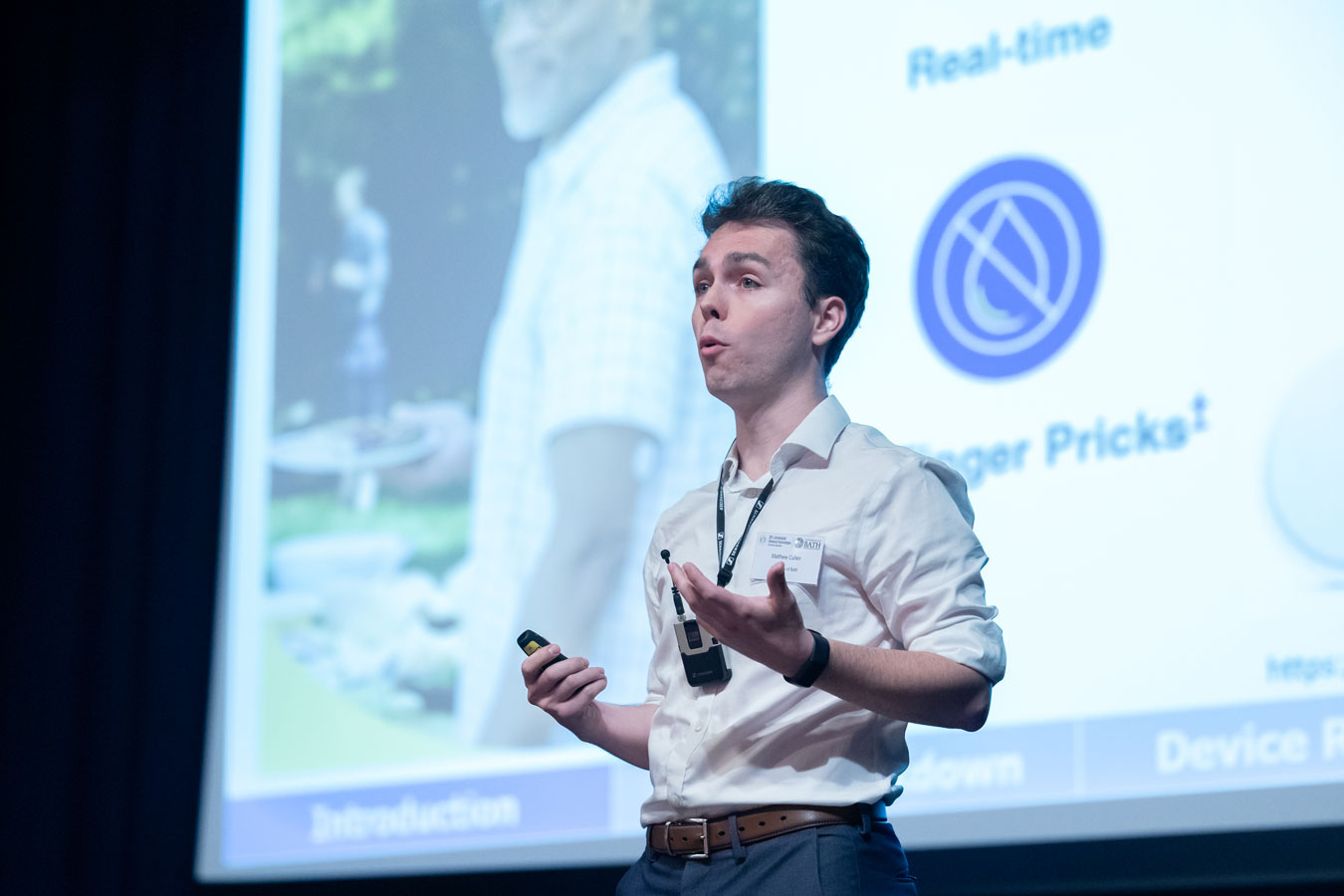
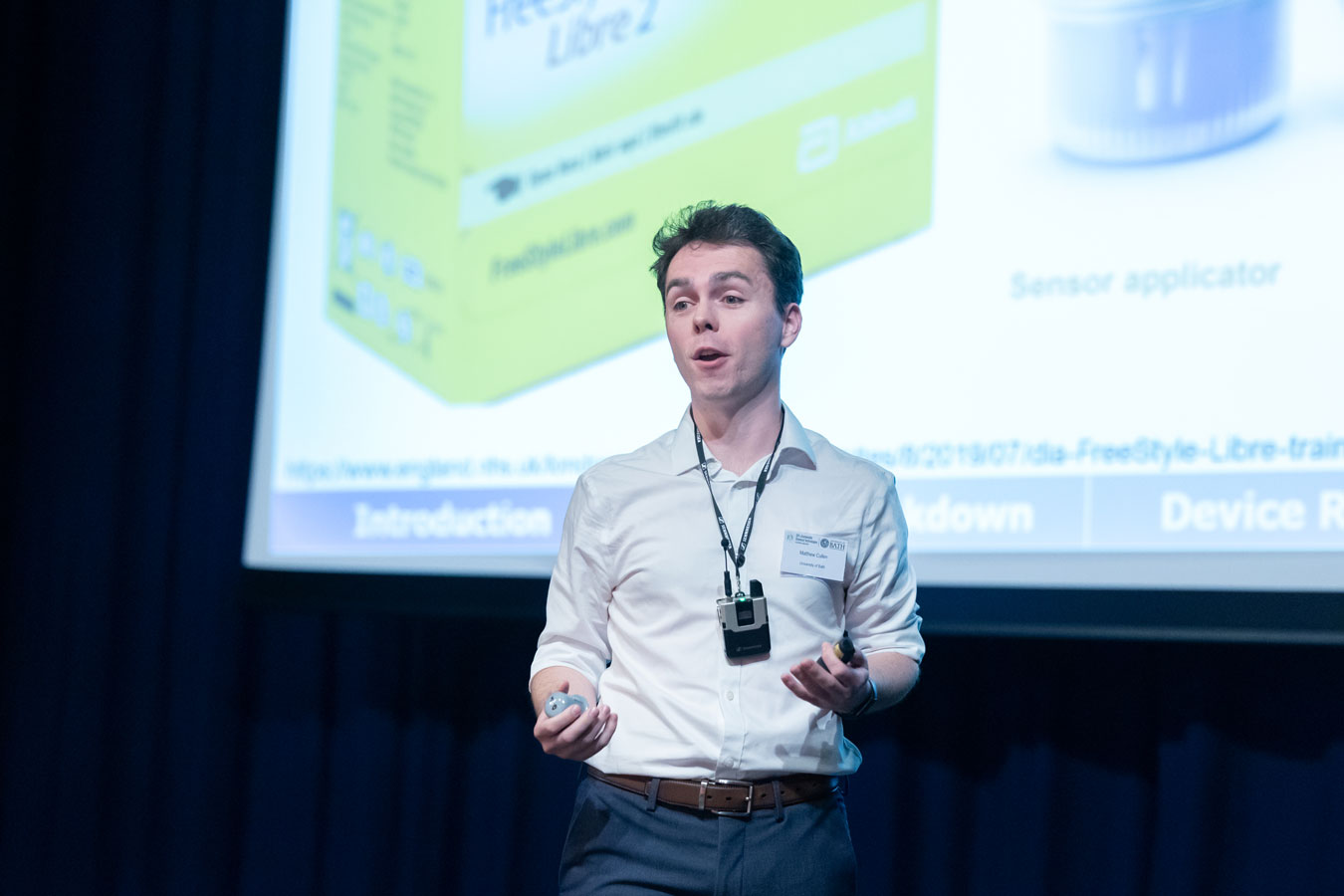
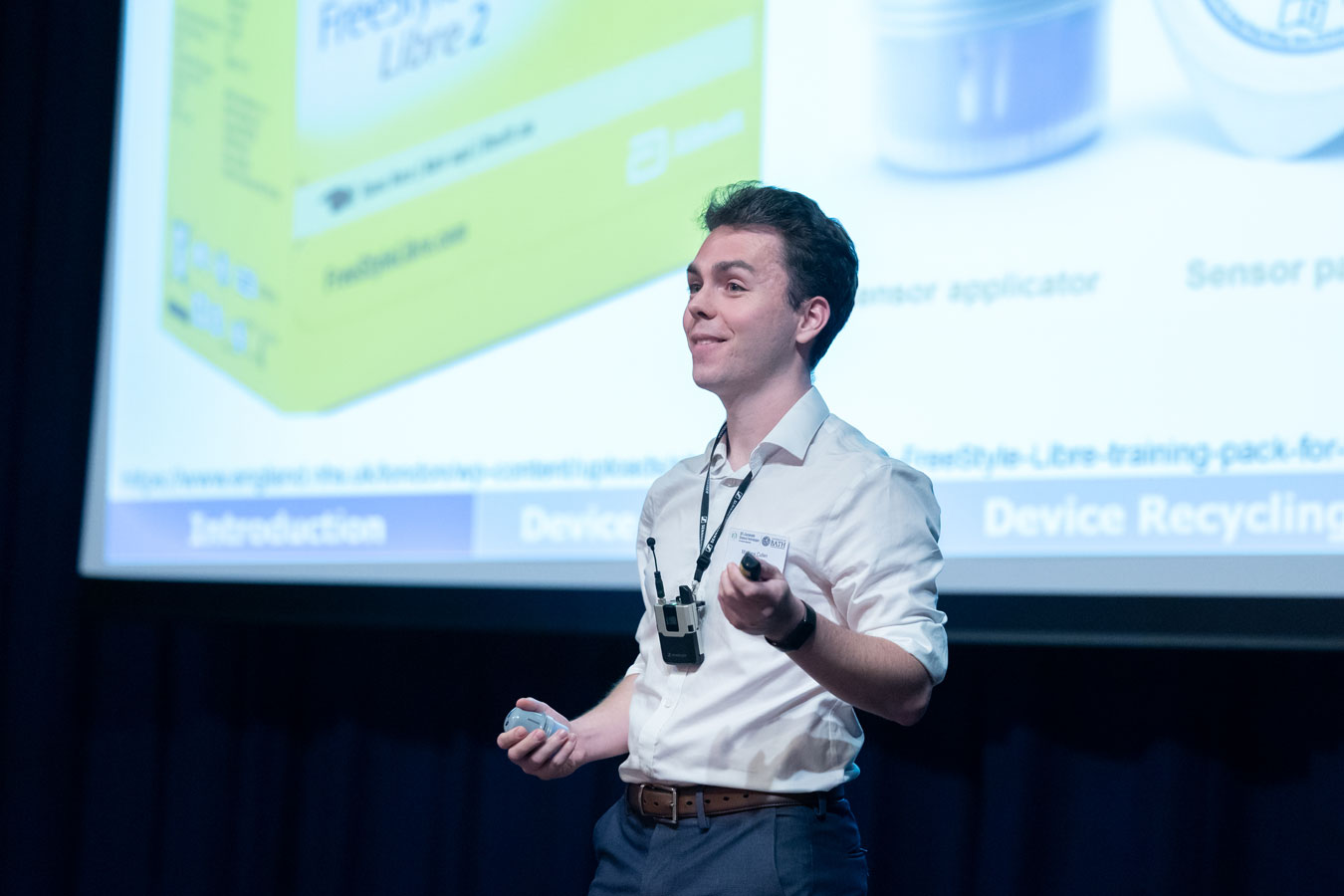
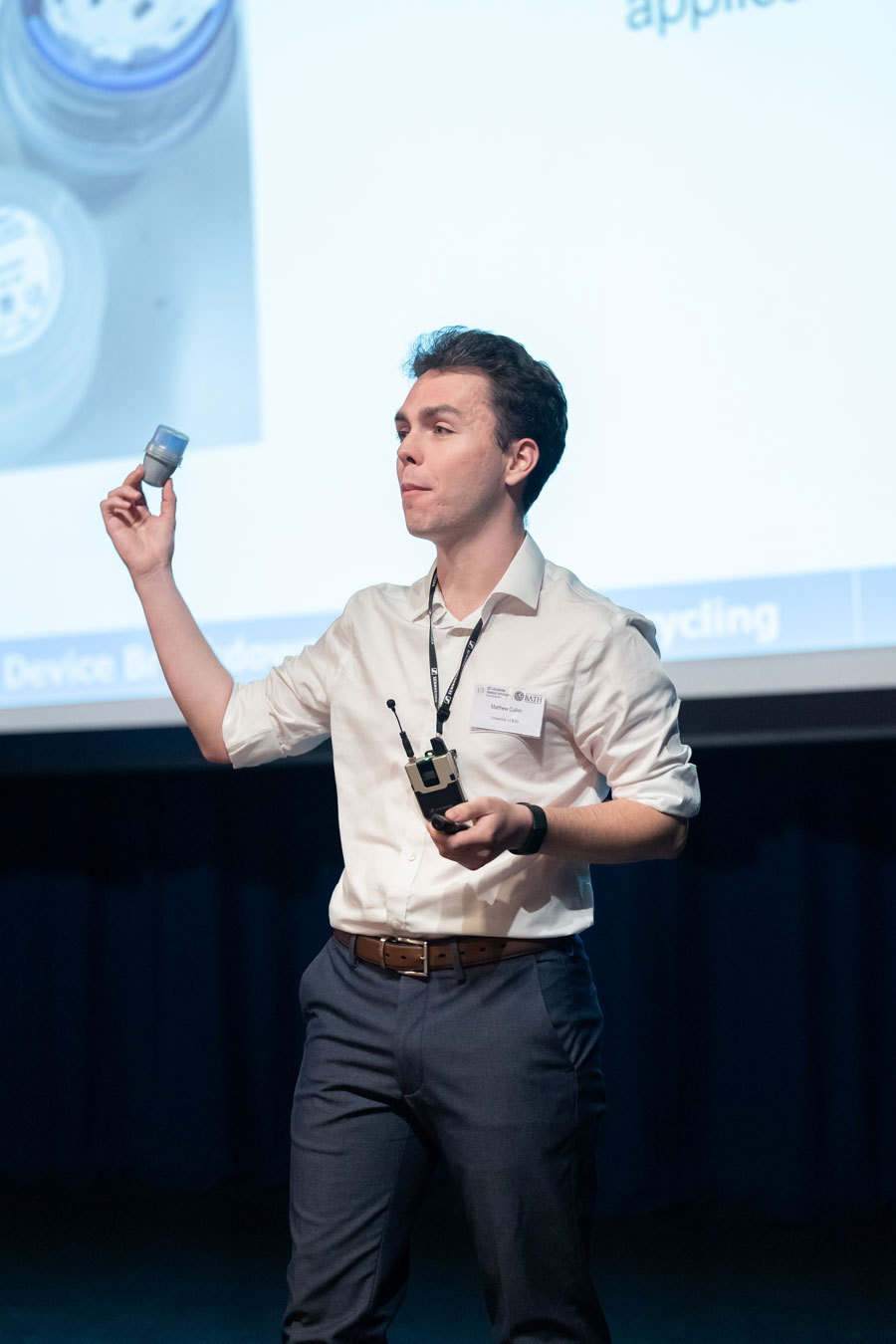
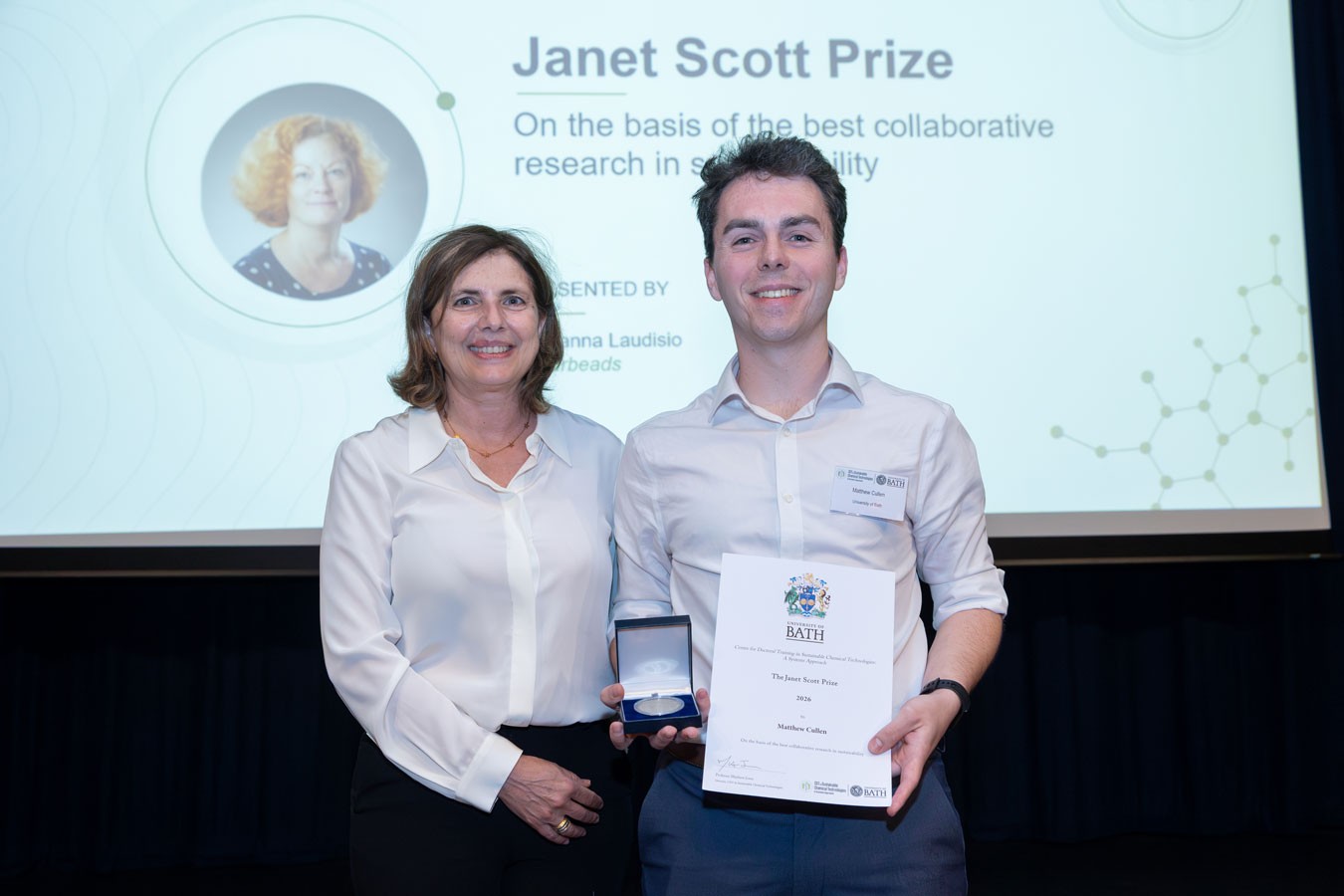
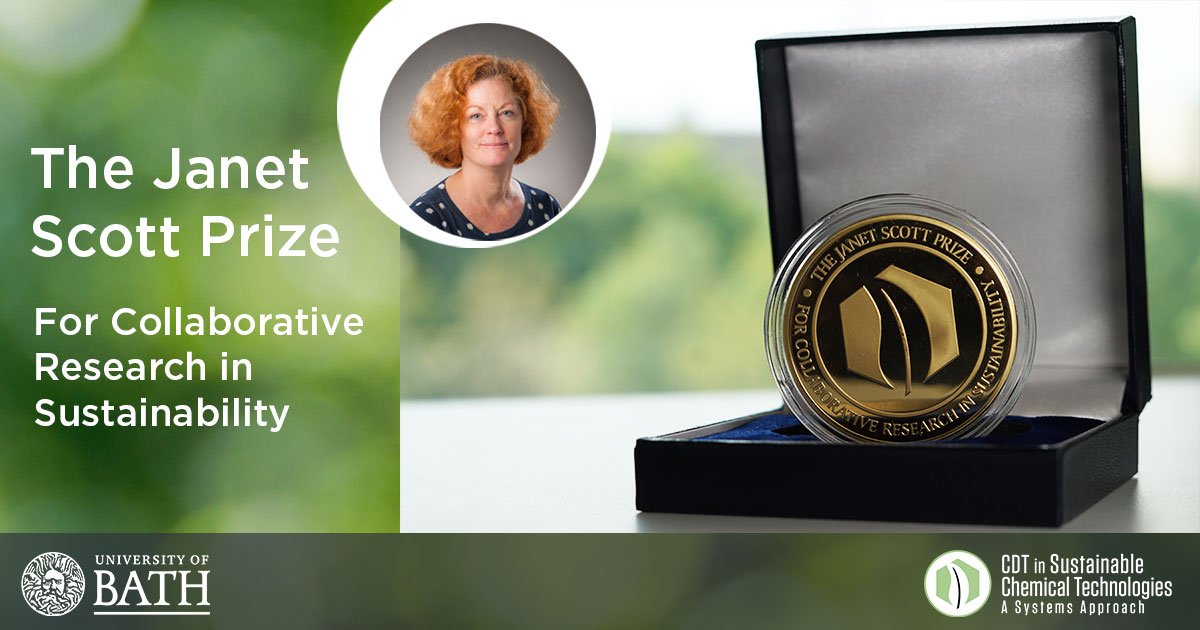
The final research presentation of the day came from Matthew Cullen, recipient of the 2026 Janet Scott Prize, recognising outstanding interdisciplinary research with real-world impact.
Introduced by Giovanna Laudisio, CEO and co-founder of Naturbeads, the award honours the legacy of the late Professor Janet Scott, whose pioneering work in sustainable chemistry continues to inspire researchers across the field. As a close friend and colleague of Janet, Giovanna reflected on both her scientific achievements and her commitment to using chemistry to solve real-world problems before presenting this year’s award to Matthew.
Matthew’s research tackles an increasingly important sustainability challenge in healthcare. Plastic medical devices have transformed patient care, yet many are designed for single use and are discarded after just one application. His project focuses on the FreeStyle Libre 2 continuous glucose monitoring system, developed by Abbott Diabetes Care. While the device is life-changing for millions of people living with diabetes, it also generates significant plastic waste, highlighting the need for more sustainable end-of-life solutions.
Rather than treating the device as a single waste stream, Matthew’s work develops a selective chemical recycling process capable of recovering each plastic component individually. By breaking down one polymer at a time instead of attempting to process the entire mixture together, the approach offers a practical route towards recovering high-value materials and supporting a more circular economy for healthcare plastics.
One of the strengths of Matthew’s presentation was his ability to explain complex polymer chemistry through clear, relatable examples. His comparison of mechanical and chemical recycling, using the analogy of rebuilding a cake from its original ingredients, made sophisticated concepts accessible to the entire audience while still conveying the scientific depth behind the research.
Matthew delivered his award lecture with confidence, clarity and impressive composure. His engaging presentation, coupled with the quality of the science, demonstrated why he was such a deserving recipient of the Janet Scott Prize. For an early-career researcher, it was a polished and assured performance that showcased not only excellent chemistry but also the communication skills needed to translate research into real-world impact.
Moments from the talk
Thank you to everyone who contributed to making the CSCT Summer Showcase 2026 such a success.
We look forward to building on the ideas, connections and inspiration that emerged throughout the day.
Applications Open for The Janet Scott Prize for Collaborative Research in Sustainability
The Janet Scott Prize for Collaborative Research in Sustainability will once again be awarded at this year’s Summer Showcase. Established in memory of Professor Janet Scott, the
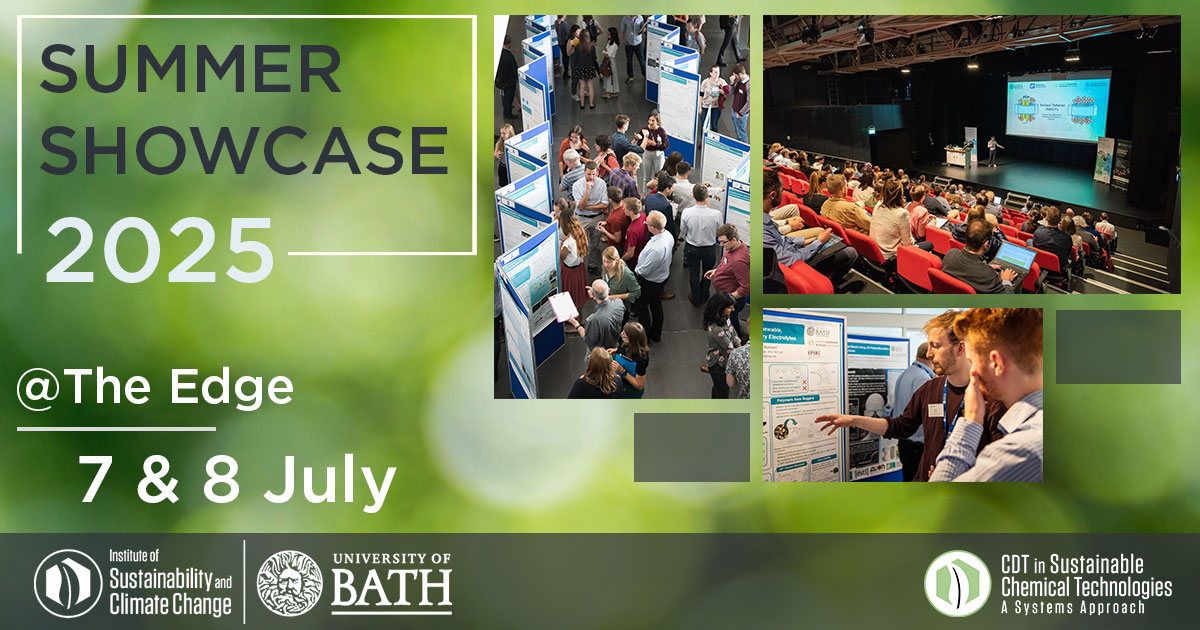
Summer Showcase 2025
The 2025 Summer Showcase brought together a dynamic mix of researchers, industry innovators and policy experts to explore the future of sustainability. Co-hosted by the newly launc
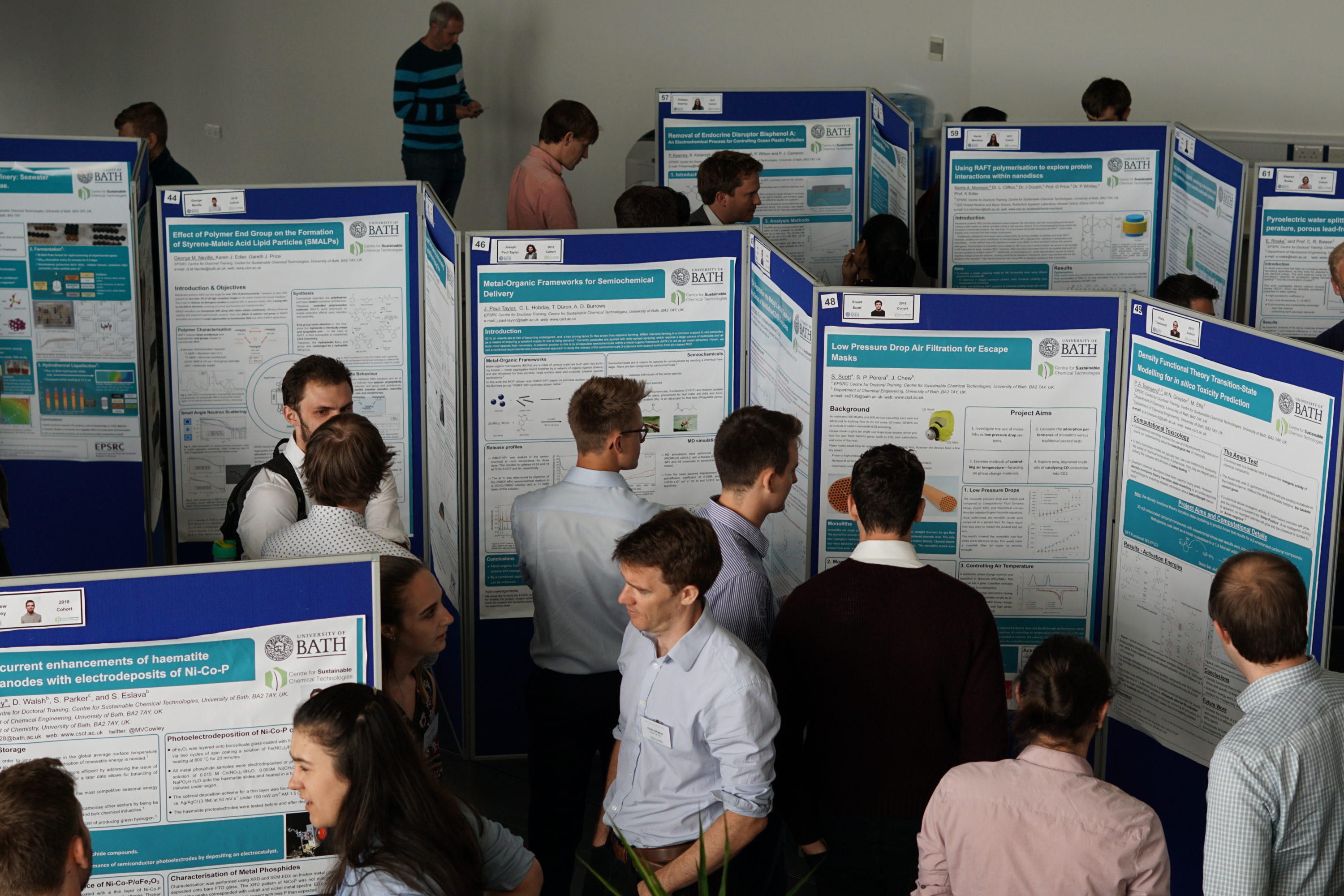
CSCT Summer Showcase 2022
2022 CSCT Summer Showcase We are excited to share that registration for our annual event is now open and our preliminary programme is ready! SEE THE PROGRAMME We would love to invi
Race to Zero – global views on the highest-stake race
Shortly, international leaders will meet at COP26 to accelerate their plans for net zero carbon emissions by 2050. It’s an ambitious goal that brings with it many challenges. How
CSCT Summer Showcase 2021 – Race to Zero
2021 CSCT Summer Showcase – Race to Zero The Centre for Sustainable and Circular Technologies is delighted to invite you to its 2021 Summer Showcase: Race to Zero When: 7 – 9 J
CSCT Winter Showcase 2020
We are excited to announce that the Programme for our ‘CSCT Winter Showcase: Changing the World Through Sustainable Technologies — A Vision for 2050’ is now ready, an
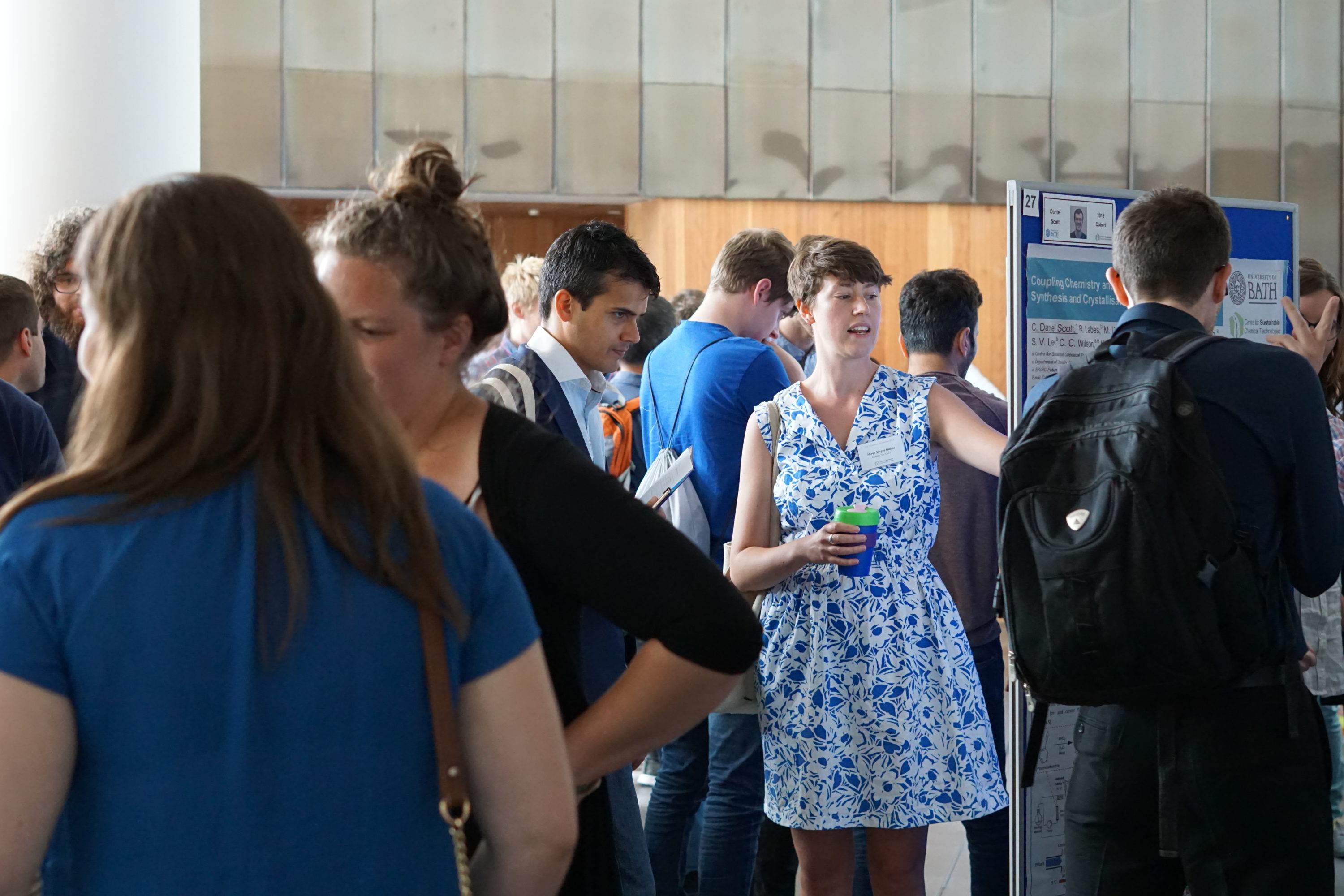
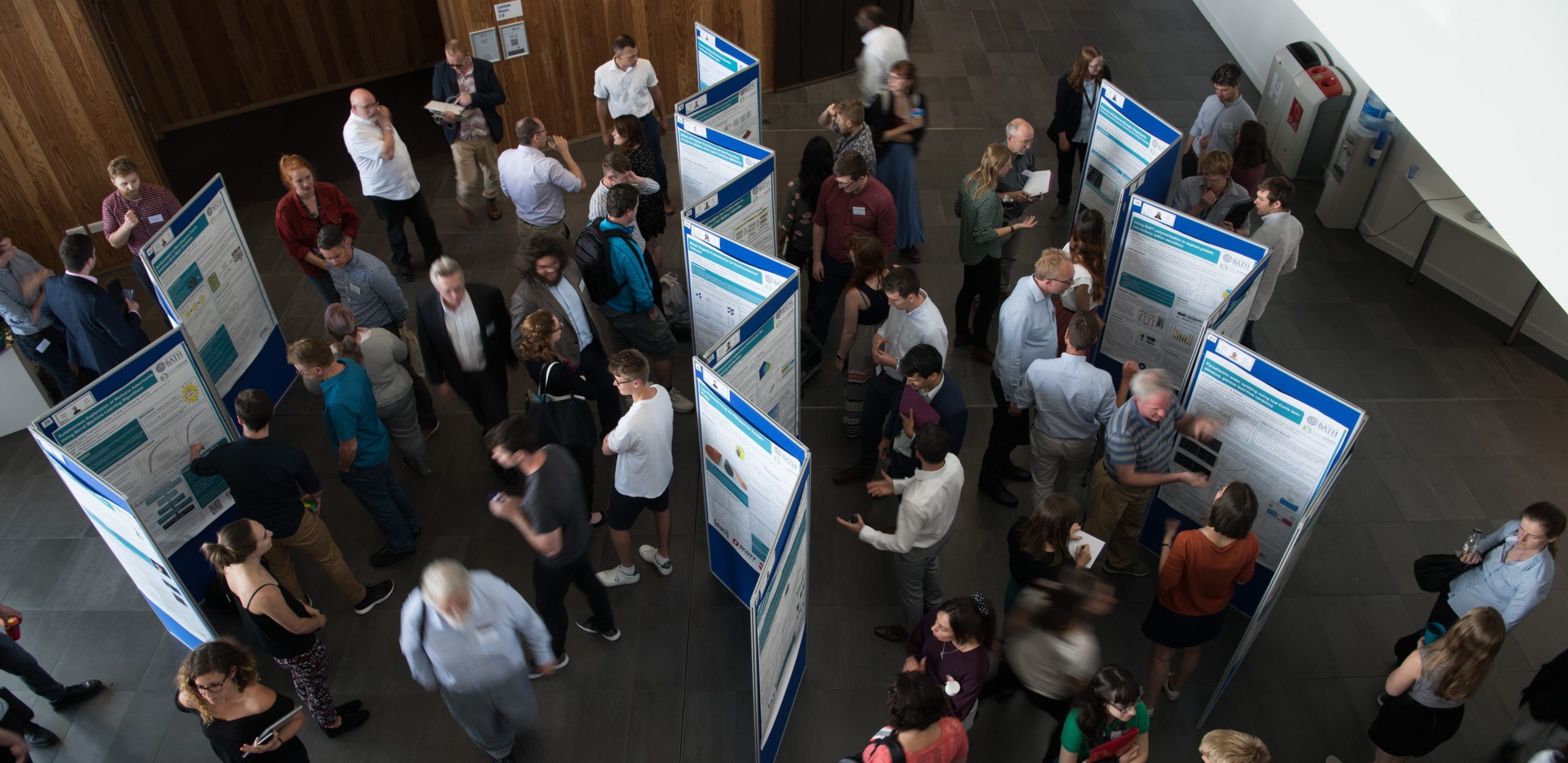
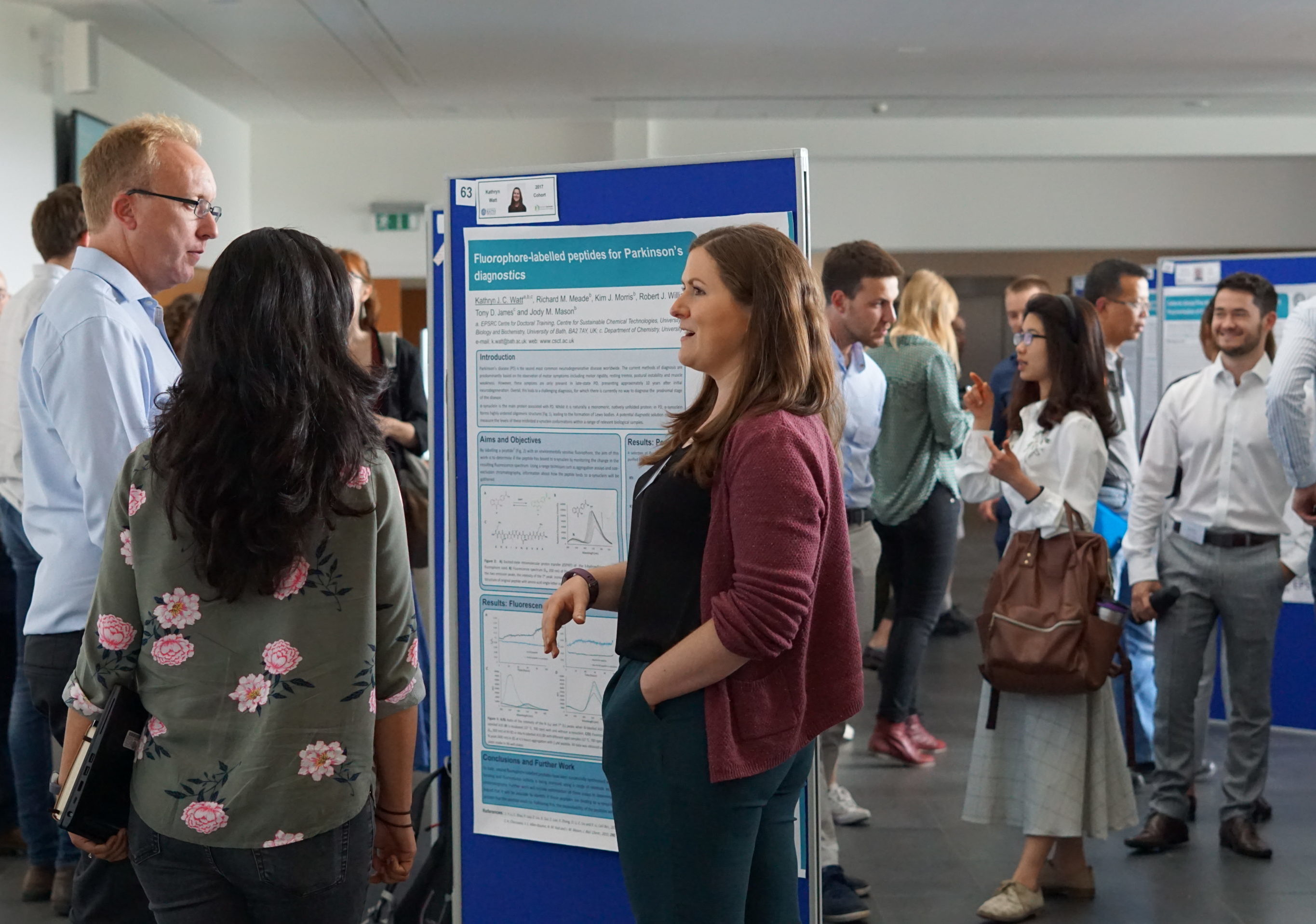
Over 200 celebrate sustainable research and collaboration in 2019 CSCT Summer Showcase
Over the first two days of July 2019, the CSCT Summer Showcase featured talks, student presentations, interactive discussions, a networking event and a dinner reception. Bringing t



