
Energy and Functional Materials
Energy and Functional Materials explores the discovery, design and application of advanced materials that enable sustainable energy generation, conversion and storage. The theme brings together researchers across chemistry, physics, materials science and engineering to address pressing global challenges in net-zero energy, resource sustainability and climate resilience. Key research areas include photovoltaics, batteries, fuel cells, catalysts as well as responsive materials for sensors and robotics. We have a strong interest in minimising the use of critical raw materials and in building technologies that fully comply with a circular economy. By understanding and controlling materials from the atomic to device scale, the theme seeks to improve performance, durability, scalability and manufacturability, accelerating the translation of fundamental discoveries into technologies that support a secure and sustainable energy future.
Key research areas within this theme

Catalysis

Synthesis

Bio

Reaction

Process
Research in practice
Exemplar projects
Explore examples of the interdisciplinary research students could undertake within this theme.
Project example
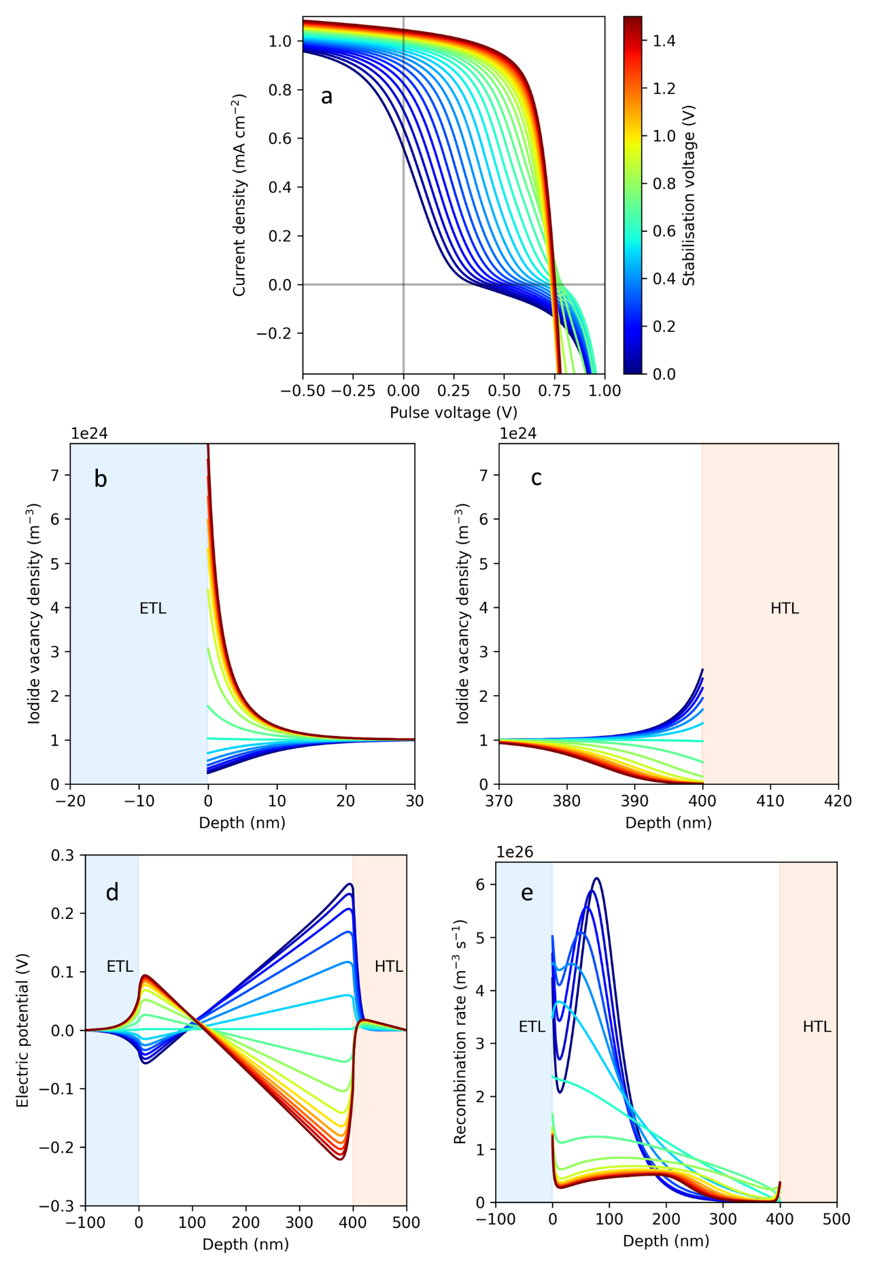
Ionic Accumulation as a Diagnostic Tool in Perovskite Solar Cells: Characterizing Band Alignment with Rapid Voltage Pulses
Matthew Cowley’s PhD research used advanced computer modelling to understand and improve perovskite solar cells, a new generation of photovoltaic technology that has the potential to deliver high-efficiency solar energy at low cost. Perovskite materials are particularly attractive because they can be processed using simple… View project Close project
Matthew Cowley’s PhD research used advanced computer modelling to understand and improve perovskite solar cells, a new generation of photovoltaic technology that has the potential to deliver high-efficiency solar energy at low cost. Perovskite materials are particularly attractive because they can be processed using simple manufacturing methods and integrated into lightweight, flexible solar devices. However, their performance is strongly influenced by the movement of charged defects and ions within the material, making device behaviour complex and sometimes difficult to predict.
Using physics-based drift-diffusion simulations and machine learning approaches, Matthew developed new ways to analyse how ions move through perovskite solar cells and how this movement affects device performance, stability and efficiency. His work showed that information hidden within routine electrical measurements can be used to reveal important material and interface properties, helping researchers diagnose losses and design more resilient devices.
References
- “Ionic Accumulation as a Diagnostic Tool in Perovskite Solar Cells: Characterizing Band Alignment with Rapid Voltage Pulses” Adv. Mater. 2023, 35, 2302146.
View full-size image for High-Throughput Graphite Recovery for More Sustainable Battery Recycling
02
Project example
High-Throughput Graphite Recovery for More Sustainable Battery Recycling
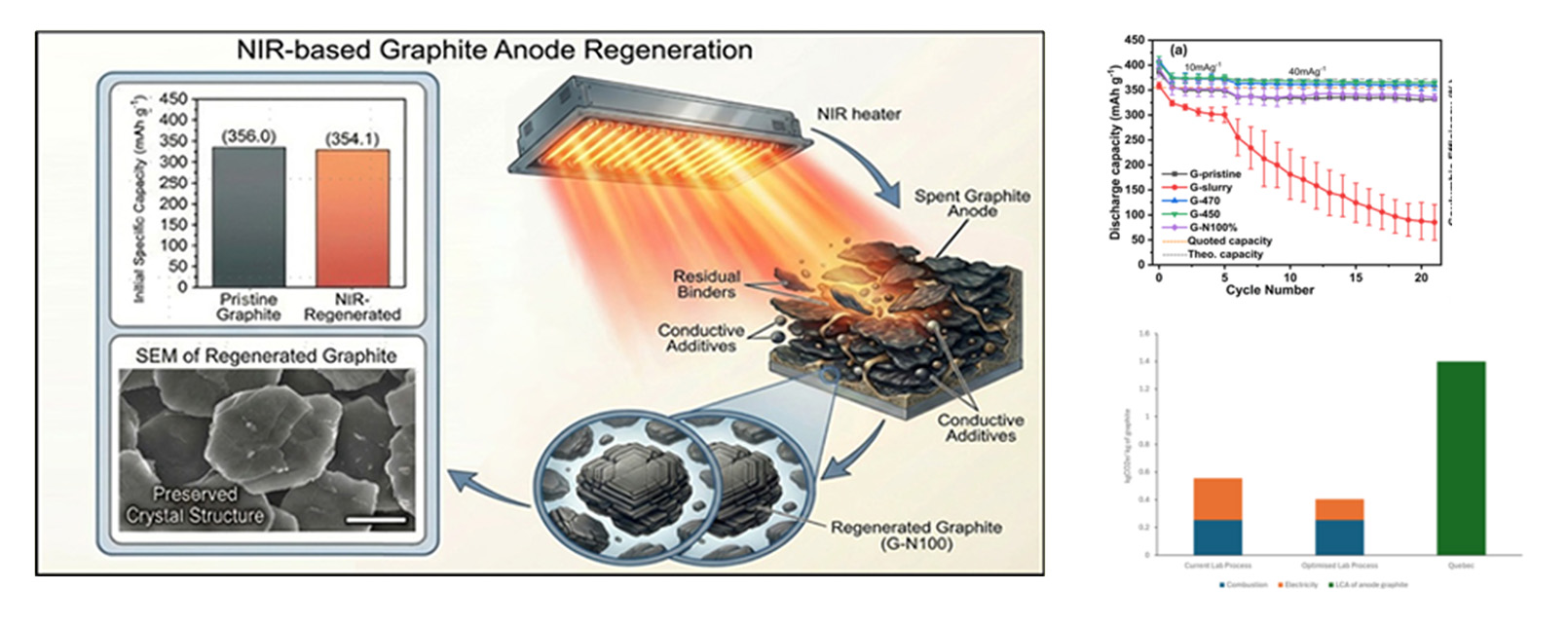
Graphite is a critical component of lithium-ion battery anodes, but recovering it from manufacturing scrap remains challenging because residual binders and conductive additives can reduce material quality and make conventional recycling energy-intensive. This research explores a rapid near-infrared (NIR) treatment that can deactivate these binders… View project Close project
Graphite is a critical component of lithium-ion battery anodes, but recovering it from manufacturing scrap remains challenging because residual binders and conductive additives can reduce material quality and make conventional recycling energy-intensive. This research explores a rapid near-infrared (NIR) treatment that can deactivate these binders and enable graphite to be recovered without damaging its underlying crystal structure.
The NIR process can treat graphite anode material in seconds rather than the prolonged heating required by conventional furnace-based methods. Testing showed that regenerated graphite retained electrochemical performance very close to pristine material, while the process also offers the potential to reduce energy demand and associated greenhouse gas emissions. The approach could therefore support faster, lower-impact, closed-loop recovery of graphite from battery manufacturing waste and contribute to a more circular lithium-ion battery supply chain.
References
Project example
Functional materials fuelling nuclear fusion
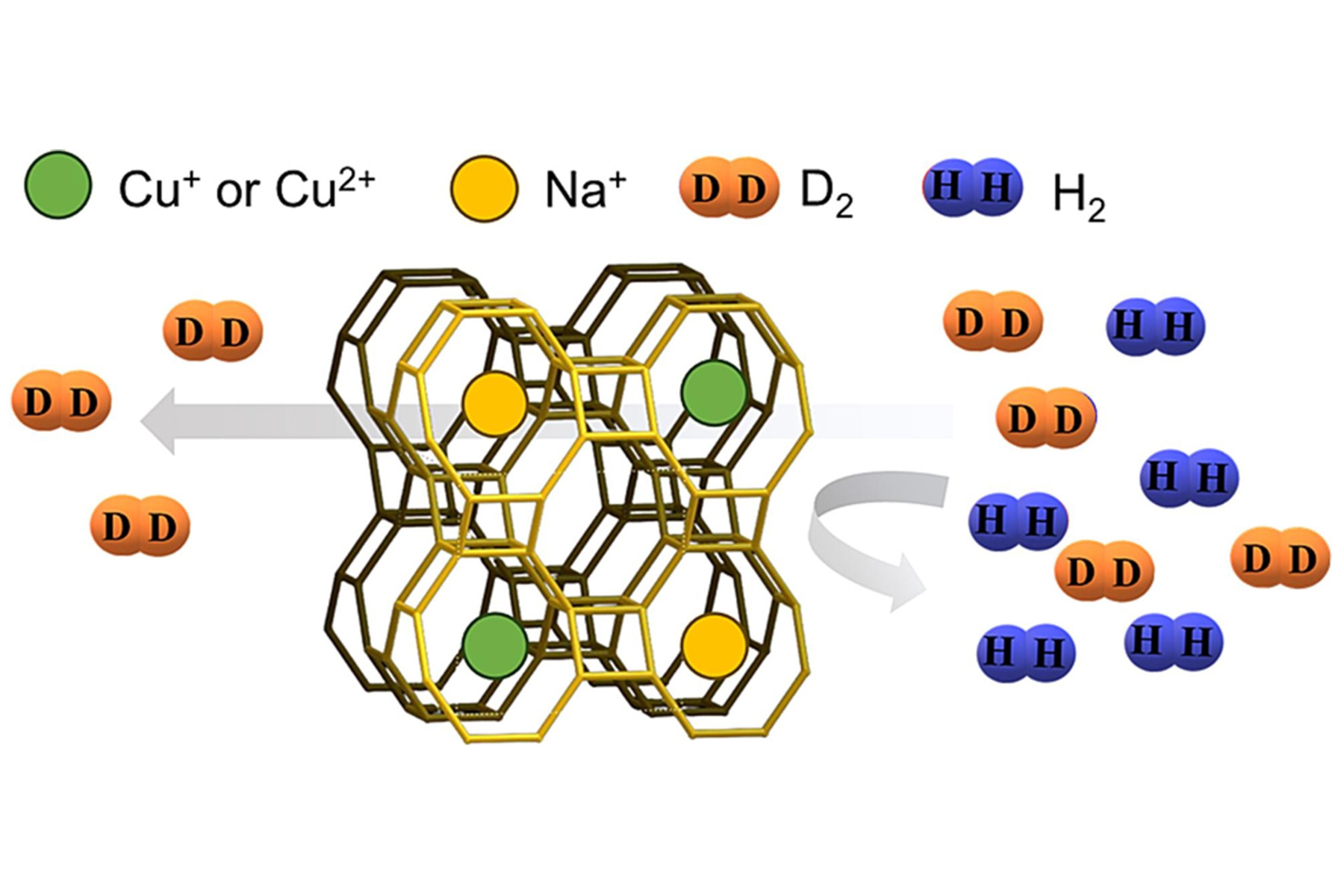
Nuclear fusion relies uses heavy hydrogen isotopes such as tritium and deuterium to fuel the energy-generating process. The similarities in the hydrogen isotopes require highly tuned porous functional materials to separate them. In this work we design microporous species to efficiently separate the hydrogen isotopes,… View project Close project
Nuclear fusion relies uses heavy hydrogen isotopes such as tritium and deuterium to fuel the energy-generating process.
The similarities in the hydrogen isotopes require highly tuned porous functional materials to separate them. In this work we design microporous species to efficiently separate the hydrogen isotopes, using a range of metal ions. This includes testing the uptake of hydrogen isotopes, material synthesis, characterisation, computational calculations, and using national facilities such as ISIS Neutron and Muon source to explain the interactions with the different isotopes.
References
Project example
Controlling Water Flow with Microporous Polymers
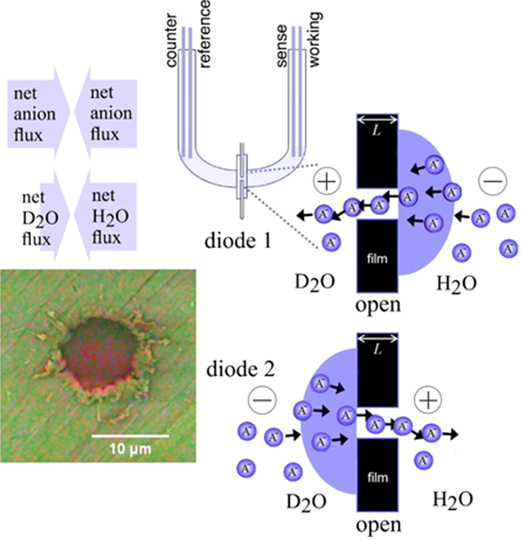
Research by PhD student Zhongkai Li explored how specially designed polymers of intrinsic microporosity (PIMs) can be used to control water movement using electrical energy. By modifying the chemical structure of these materials, the team demonstrated how water flow could be precisely controlled through electroosmotic… View project Close project
Research by PhD student Zhongkai Li explored how specially designed polymers of intrinsic microporosity (PIMs) can be used to control water movement using electrical energy. By modifying the chemical structure of these materials, the team demonstrated how water flow could be precisely controlled through electroosmotic pumping, without net ion transport. This research opens up possibilities for developing advanced membrane technologies for controlled water transport, purification systems and drug delivery applications.
References
Project example
Molecularly Engineered and Self-Assembled Functional Materials for Sustainable Energy and Chemical Transformations under Nanoconfinement
Research performed by Dr Boyang Mao (former PhD in Pascu Group, now Assistant Research Professor at Cambridge University, Boyang Mao | Cambridge Graphene Centre) connected molecular synthesis, directed self-assembly and materials characterisation with sustainable chemical technologies, developing new approaches to resource-efficient transformations and energy-related applications.… View project Close project
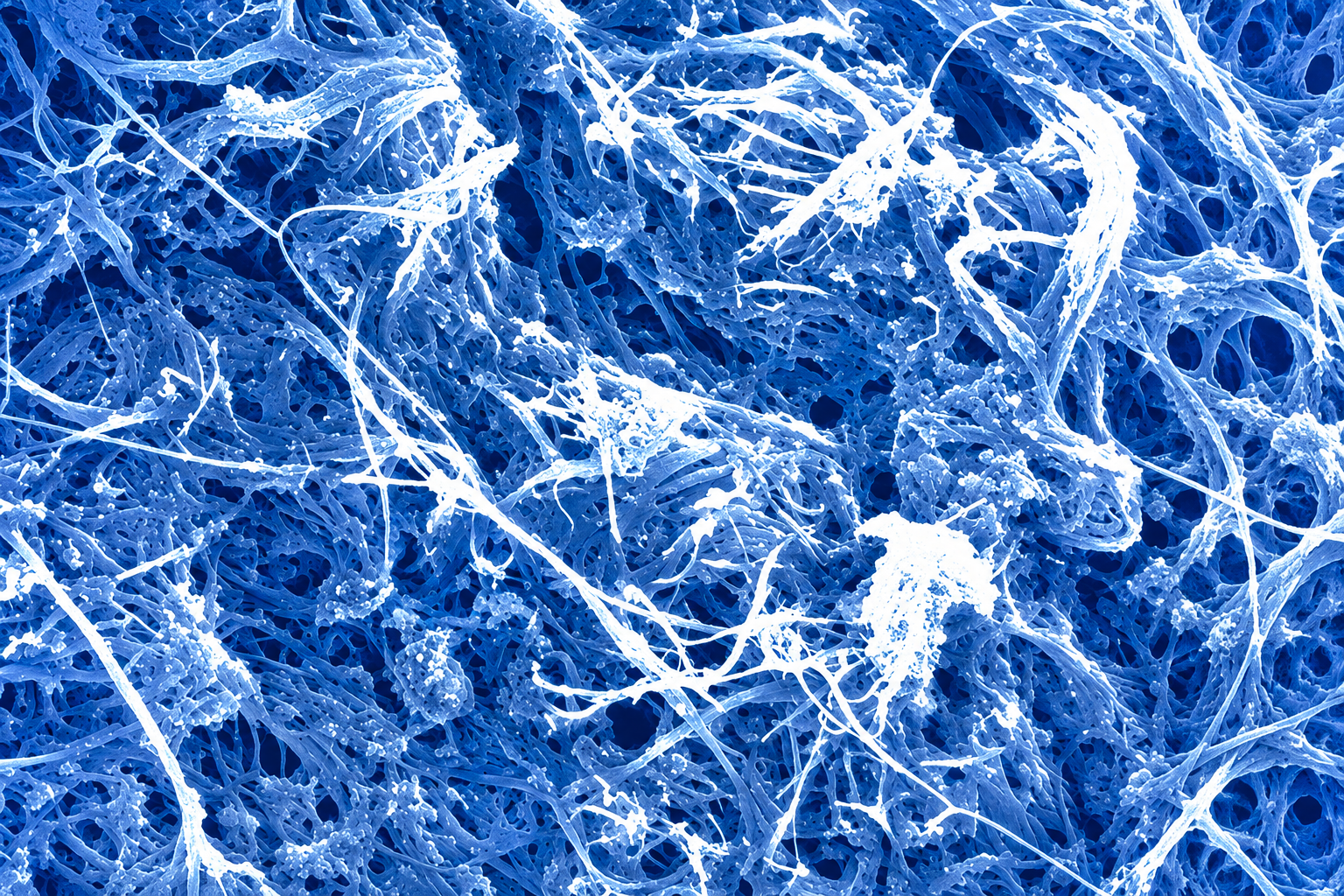
Research performed by Dr Boyang Mao (former PhD in Pascu Group, now Assistant Research Professor at Cambridge University, Boyang Mao | Cambridge Graphene Centre) connected molecular synthesis, directed self-assembly and materials characterisation with sustainable chemical technologies, developing new approaches to resource-efficient transformations and energy-related applications. We applied molecular design, inorganic and supramolecular chemistry, and nanomaterials synthesis to develop functional materials for sustainable energy applications including small molecules encapsulation, conversion and chemical transformations under nanoconfinement. We now focus on understanding how molecular structure, metal coordination and self-assembly influence the properties and reactivity of materials, enabling the development of new multifunctional molecules and materials systems.
At the interface between Research Themes, with Dr James Tyson (our former CDT CSCT student James_Tyson_Final_Thesis_15_08_2016.pdf) and Dr Giuseppe Giuffrida (ERC O2Sense PhD student now Senior Researcher at GSK, Development of new peptide conjugates as biosensors and imaging tools and investigations into their interactions with prostate cancer cells - the University of Bath's research portal) focussed on the synthetic functional materials design and testing of self-assembled peptides, peptide-carbon nanomaterials and metal-containing hybrid architectures with dual role as hybrids for chiral responsive optoelectronics and biocompatible sensors scaffolds. Synthetic peptides provide versatile molecular building blocks whose sequence, structure and intermolecular interactions can be tailored to direct assembly into organised functional materials. We continue to combine metallo-peptides, and/or molecular metal complexes with graphene oxide and carbon nanotubes, we investigate how nanoscale organisation and confinement can control electronic properties, selectivity and stability including their potential as bio-nanocatalysts underpinned by systems approaches, working at the interface between the 3 themes of the CDT. Such functional molecular and carbon-based materials have potential applications in optoelectronics, solar-energy conversion and energy-storage technologies. We are developing supported and cooperative metal centres, exploring alternative synthetic approaches such as photo- and mechano-chemistry in self-assembly and understanding how the local environment influences activity in sustainable transformations. Advanced spectroscopy, electrochemistry, electron microscopy and fluorescence lifetime imaging allow us to correlate molecular organisation with materials performance.
References
- (a) “Functional D- and L-Naphthalenediimide-Peptides: Microwave-Driven Synthesis, Supramolecular Aggregation and Multiphoton Fluorescence Lifetime Imaging Microscopy in Living Cells” ACS Bio Med. Chem. Au 2025, 5, 947.
- (b) “Unraveling the Chemistry of meso-Cl Tricarbocyanine Dyes in Conjugation Reactions for the Creation of Peptide Bonds” ACS Bio Med. Chem. Au 2022, 2, 642.
- (a) “Shedding Light on the Use of Graphene Oxide-Thiosemicarbazone Hybrids Towards the Rapid Immobilisation of Methylene Blue and Functional Coumarins” Nanoscale Adv. 2024, 6, 2287.
- (b) “Radio- and Nano-Chemistry of Aqueous Ga(III) Ions Anchored onto Graphene Oxide-Modified Complexes” Nanoscale 2020, 12, 6603.
- (a) “Directed Molecular Stacking for Engineered Fluorescent Three-Dimensional Reduced Graphene Oxide and Coronene Frameworks” ChemistryOpen 2019, 8, 1383.
- (b) “Shedding Light onto the Nature of Iron-Decorated Graphene and Graphite Oxide Nanohybrids for CO₂ Conversion at Atmospheric Pressure” ChemistryOpen 2020, 9, 242.
- (c) “Interactions between an Aryl Thioacetate-Functionalized Zn(II) Porphyrin and Graphene Oxide” Adv. Funct. Mater. 2016, 26, 687.
Facilities and capabilities
Advanced Materials Characterisation
Researchers in Energy and Functional Materials have access to advanced characterisation techniques for investigating the structure, composition and behaviour of materials. These include electron microscopy, X-ray diffraction, Raman spectroscopy, mass spectrometry and optical methods such as UV-Vis and photoluminescence. Together, these capabilities help researchers understand how material properties influence performance in energy storage, conversion and other functional applications.
Materials Processing and Performance Testing
Specialist facilities support the preparation, processing and evaluation of advanced functional materials, from controlled-atmosphere glove boxes and tube furnaces to rapid sintering technologies. Researchers can also investigate thermal, electrical and electrochemical properties using techniques such as DSC, TGA, impedance spectroscopy, battery cycling and solar simulation, supporting the development and optimisation of materials for sustainable energy technologies.
Meet the researchers
Professor Petra Cameron
Chemistry
View profile›

Dr Jenny Baker
Mechanical Engineering
View profile›

Dr Adam Squires
Chemistry
None Alessandro Leronni
Mechanical Engineering
View profile›

Dr Alexander O'Malley
Chemistry
View profile›
Professor Alison Walker
Physics
View profile›

Professor Andrew Burrows
Chemistry
View profile›

Professor Chris Bowen
Mechanical Engineering
View profile›

Dr Christopher de Leeuwe
Chemical Engineering
View profile›

Dr Clare Rees-Zimmerman
Chemical Engineering
View profile›

Dr Dan Maskell
Architecture and Civil Engineering
View profile›

Professor David Williams
Mechanical Engineering
View profile›

Dr Emma Denham
Life Sciences
View profile›

Professor Frank Marken
Chemistry
View profile›

Kevin Paine
Dr Maciek Kopec
Chemistry
View profile›

Dr Matthew Potter
Chemistry
View profile›

Mi Tian
Dr Ming Xie
Chemical Engineering
View profile›

Professor Mirella Di Lorenzo
Chemical Engineering
View profile›Rox Middleton
Dr Sara Dale
Physics
View profile›

Professor Sofia Pascu
Chemistry
View profile›

Professor Tina Düren
Chemical Engineering
View profile›

Dr Veronica Ferrandiz-Mas
Architecture and Civil Engineering
View profile›Yang Chen
Interested in this research theme?
Connected research
Explore our research themes
Our research themes are distinct but interconnected, combining expertise across disciplines to address complex sustainability challenges.