
Key research areas within this theme
Catalysis
Synthesis
Bio
Reaction
Process

Research in practice

Exemplar projects

Explore examples of the interdisciplinary research students could undertake within this theme
Project example

Global and regional petrochemical decarbonisation scenarios

Petrochemicals production has increased by 500% since 1980, and now accounts for nearly a third of industrial energy use and more than 10% of all oil and gas demand. There is clearly a need for large-scale change to reduce dependence on fossil fuels and reduce… View project Close project

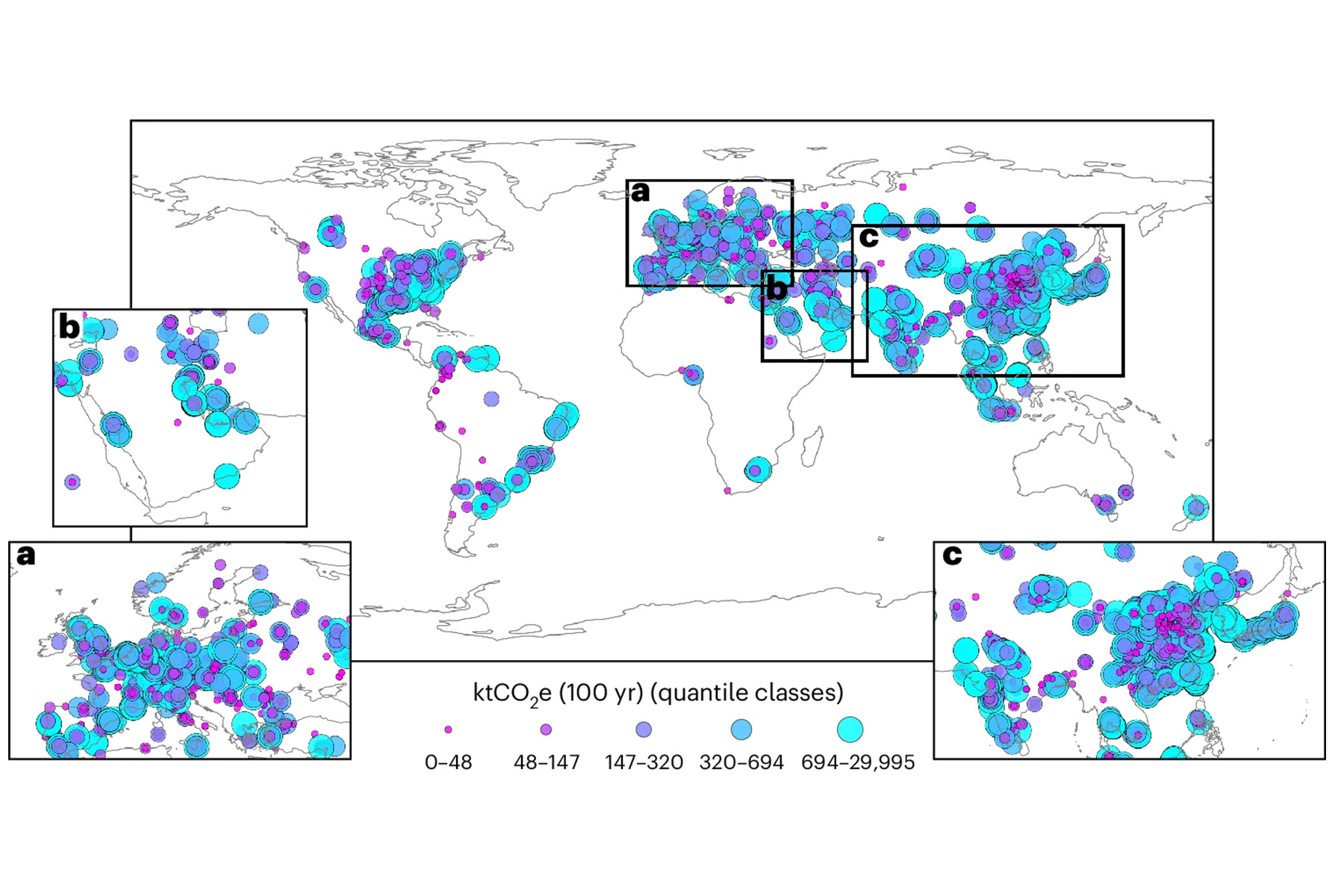
Petrochemicals production has increased by 500% since 1980, and now accounts for nearly a third of industrial energy use and more than 10% of all oil and gas demand. There is clearly a need for large-scale change to reduce dependence on fossil fuels and reduce greenhouse gas emissions, but there are many possible configurations, relying on new and existing technologies. This project models those different scenarios, at global and regional level, to understand trade-offs between biomass demand, electricity requirements, and emissions. This requires an interdisciplinary approach, linking fundamental chemical engineering understanding of the processes themselves to the wider context.

References

  1. “Emissions and System-Level Decarbonization Pathways for Global Petrochemical Production” Nat. Sustain. 2026.
  2. “Cross-System Coordination Is Required for Deep Decarbonisation of Global Chemicals across Many Possible System Configurations” Nat. Chem. Eng., in press.
Supervisor Rick Lupton

Project example

Holistic Resource Assessment of Alternative Carbon Resources

As we move away from fossil carbon for our energy and non-energy needs, alternative carbon resources such as biomass, plastic waste, and captured CO₂ are expected to play an increasingly important role in the transition to a sustainable future. While these resources are often assumed… View project Close project

As we move away from fossil carbon for our energy and non-energy needs, alternative carbon resources such as biomass, plastic waste, and captured CO₂ are expected to play an increasingly important role in the transition to a sustainable future. While these resources are often assumed to be more sustainable than fossil-based feedstocks, many systems-level questions remain unresolved.

For biomass, which feedstocks should be prioritised and where will they come from? Should land, water, and other resources be allocated to dedicated energy crops, or should greater emphasis be placed on residues and waste biomass? If so, are sufficient quantities available to support large-scale deployment? Furthermore, which biomass conversion technologies should be developed and deployed?

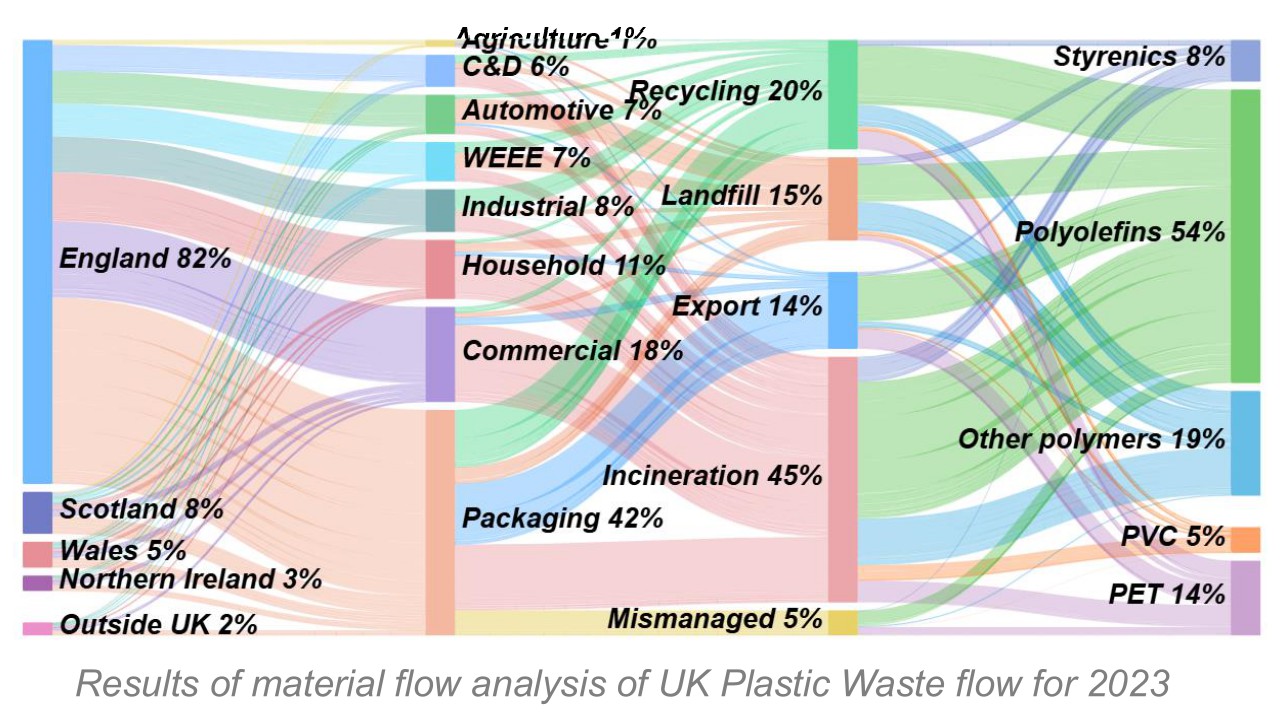
For plastic waste, how much recoverable material is actually available, and how much is lost throughout collection and waste management systems? Is it economically and environmentally viable to chemically recycle plastic waste streams that are currently landfilled or incinerated? Are the necessary business models, policies, and infrastructure in place to support a more circular plastics economy?

For captured CO₂, how much can realistically be diverted towards the production of chemicals and materials? What technologies, supply chains, and infrastructure would be required to fully realise the potential of carbon utilisation pathways?

More broadly, regardless of the carbon resource considered, what assessment frameworks and planning strategies are needed to avoid unintended environmental, economic, and societal consequences while replacing fossil-based feedstocks?

This project seeks to address these questions through a systems-thinking approach. It combines data analysis, resource assessment, supply chain analysis, and value chain modelling and optimisation to evaluate the availability, sustainability, and long-term role of alternative carbon resources in future industrial systems.

References

  1. “Can the UK’s Plastic Waste Feed Its Chemicals Industry? A Holistic Resource Assessment Study” CSCT Summer Showcase, University of Bath, UK, 2026. Poster presentation.
  2. “Spatio-Temporal Value Chain Modelling of Biomass-to-Methanol for Chemicals Sector: Preliminary Framework and Inputs” 16th Mediterranean Congress of Chemical Engineering (MeCCE), Barcelona, Spain, 2026.
  3. “System Approaches to Understand and Roll Out Defossilisation Interventions for the Chemical Sector” Industrial Ecology Gordon Research Seminar (GRS), Les Diablerets, Switzerland, 2024. Poster presentation.
Supervisor Stephen Doliente

Project example

Life Cycle Assessment for chemicals’ environmental impacts

Life Cycle Assessment (LCA) is a general method for quantifying the environmental impacts of a chemical or process over its lifetime, including upstream production of feedstocks, energy, solvents, and so on; as well as impacts due to the use of the chemical; and then to… View project Close project

Life Cycle Assessment (LCA) is a general method for quantifying the environmental impacts of a chemical or process over its lifetime, including upstream production of feedstocks, energy, solvents, and so on; as well as impacts due to the use of the chemical; and then to dispose of or recycle the material at the end of its life. This allows hotspots to be identified to prioritise process improvements, and informs choices between lower-impact feedstocks or inputs. At Bath we pursue innovation in the methods themselves, such as to better quantify uncertainties and future scenarios, as well as applications to specific chemical technologies. An exciting aspect of this research is the ability to bring advances from how LCA is used in different fields, and apply it to chemical technologies. This is reflected by the diversity of the application areas in the example papers below, united by the common framework of understanding environmental impacts from processes and material flows.

References

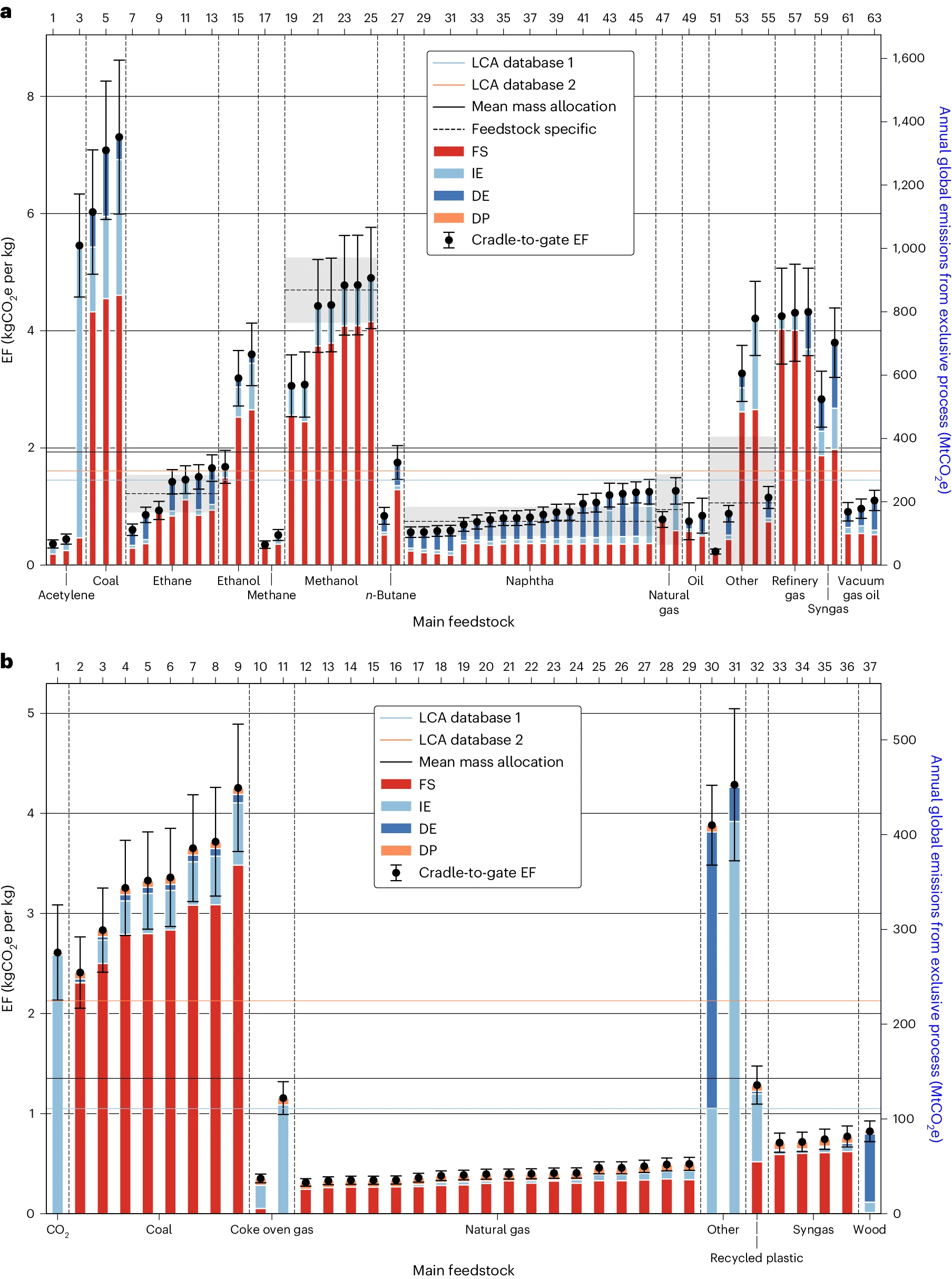
  1. “Reducing Uncertainties in Greenhouse Gas Emissions from Chemical Production” Nat. Chem. Eng. 2024, 1, 311.
  2. “Battery Electric Vehicles Show the Lowest Carbon Footprints among Passenger Cars across 1.5–3.0 °C Energy Decarbonisation Pathways” Commun. Earth Environ. 2025, 6, 476.
  3. “Data Quality and Uncertainty Assessment of Life Cycle Inventory Data for Composites” Compos. Part B Eng. 2025, 292, 112021.
  4. “Evaluating Environmental Impacts of Bio-Based Insulation Materials through Scenario-Based and Dynamic Life Cycle Assessment” Int. J. Life Cycle Assess. 2025, 30, 601.
  5. “High Tibial Osteotomy and Additive Manufacture Can Significantly Reduce the Climate Impact of Surgically Treating Knee Osteoarthritis” Int. J. Life Cycle Assess. 2025, 30, 1651.
Supervisor Rick Lupton
Facilities and capabilities

Sustainability and Systems analysis software and data

We work with LCA data from different sources, with analysis tools including ecoinvent, OpenLCA, Brightway, and Premise for Prospective LCA. We provide students with access to spatial analysis software (ArcGIS), process modelling (Aspen+), value chain modelling (AIMMS) and others.
 

Open-source tools for analysing and communicating environmental impacts

We develop various open-source tools, such as floweaver for visualising flows as Sankey diagrams, and create interactive interfaces to explore model trade-offs.

Working together

Industry Connections

We collaborate with leading companies to co-create solutions and real-world impact.

BASF

Croda

National Composites Centre (NCC)

Royal Society of Chemistry
Schema Hub

UKLCA

Interested in this research theme?
Join a community of researchers working towards a more sustainable future.

Connected research

Explore our research themes

Our research themes are distinct but interconnected, combining expertise across disciplines to address complex sustainability challenges.